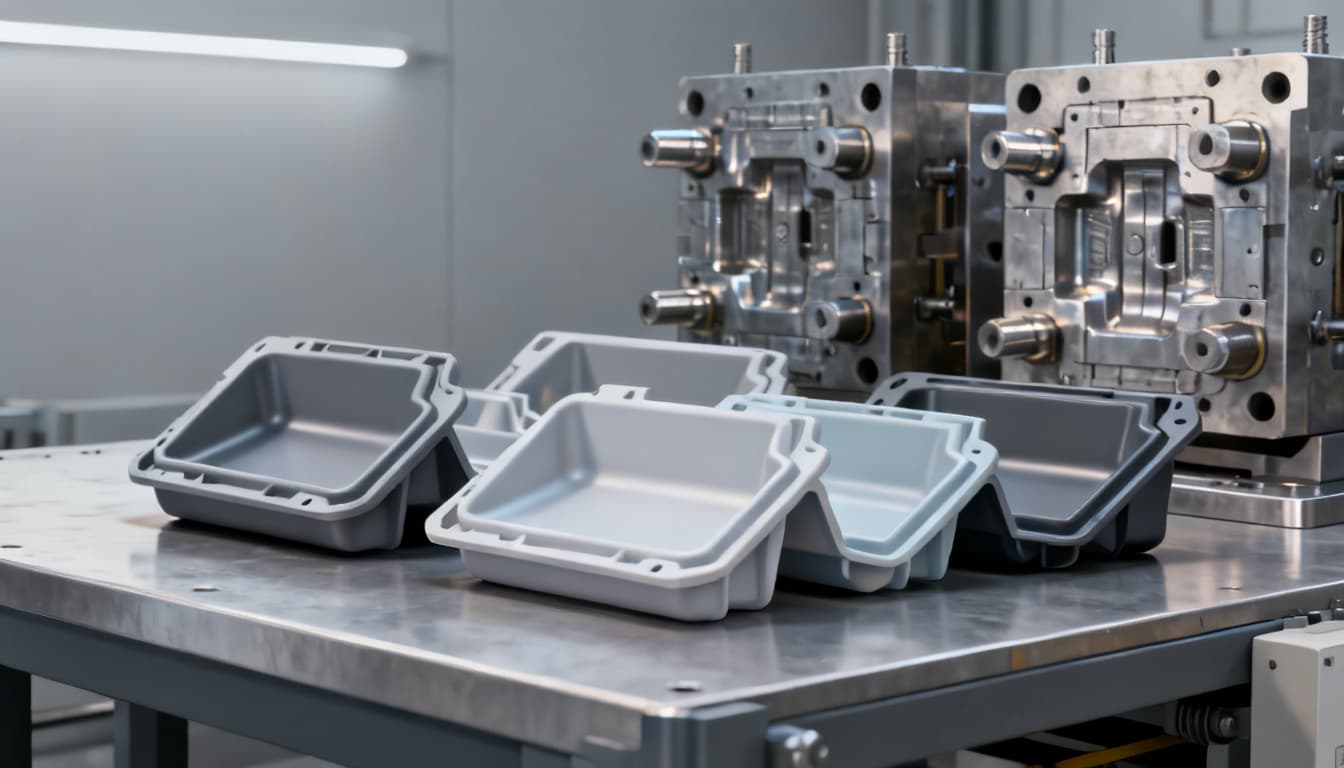
Achieving Excellence: Essential Quality Control Measures for Injection Molding Success
Injection molding is a complex process where precision and control are paramount. A single oversight can lead to defects that compromise the integrity and functionality of the final product. To ensure high-quality outcomes, adopting robust quality control measures is not just beneficial—it’s essenti
Achieving Excellence: Essential Quality Control Measures for Injection Molding Success
Injection molding is a complex process where precision and control are paramount. A single oversight can lead to defects that compromise the integrity and functionality of the final product. To ensure high-quality outcomes, adopting robust quality control measures is not just beneficial—it’s essential.
Understanding the Role of Process Parameters
Injection molding parameters such as melt temperature, mold temperature, injection pressure, and cycle time are critical in determining product quality. Precise control over these parameters can significantly reduce defects.
Melt and Mold Temperature
The melt temperature must be optimized for the specific material used. For instance, ABS typically requires a melt temperature between 230°C and 260°C, while PP ranges from 200°C to 250°C. Mold temperature should also be carefully controlled; for example, PC requires a mold temperature of 80°C to 110°C to ensure proper crystallization and surface finish.
Injection Pressure
Injection pressure is another crucial parameter, often ranging from 800 to 1400 bar depending on material and part complexity. Insufficient pressure can lead to short shots, while excessive pressure might cause flash or even damage the mold.
Cycle Time
Cycle time affects production efficiency and product quality. It comprises the injection, cooling, and ejection phases. Overly short cycles can result in incomplete cooling, leading to warping or dimensional instability.
| Material | Melt Temperature (°C) | Mold Temperature (°C) | Injection Pressure (bar) |
|---|---|---|---|
| ABS | 230-260 | 50-80 | 800-1100 |
| PP | 200-250 | 30-50 | 800-1200 |
| PC | 270-320 | 80-110 | 1000-1400 |
Material Selection: A Key to Quality
Choosing the right material is integral to achieving desired product characteristics. Each material has unique properties that influence processing parameters and final product quality.
Comparing Common Materials
ABS, known for its toughness and impact resistance, is ideal for automotive components. In contrast, PA66 offers excellent thermal resistance, suitable for electrical connectors. Understanding these properties helps in selecting the appropriate material for the application.
| Material | Key Properties | Typical Applications |
|---|---|---|
| ABS | High impact resistance, good surface finish | Automotive parts, consumer electronics |
| PA66 | High thermal resistance, excellent wear properties | Electrical connectors, gears |
| TPE | Flexible, rubber-like texture | Grips, seals |
Implementing Effective Defect Analysis
A systematic approach to defect analysis is crucial for maintaining quality. Common defects include warping, sink marks, and short shots, each requiring specific strategies for mitigation.
Warping
Warping often results from uneven cooling or mold design flaws. Ensuring uniform wall thickness (typically 1-3mm) and proper cooling time can mitigate this issue.
Sink Marks
Sink marks occur due to inadequate packing pressure or cooling. Increasing packing pressure or adjusting the mold design to reduce thick sections can help.
Short Shots
Short shots are often caused by insufficient injection pressure or material flow. Ensuring proper pressure and maintaining a consistent melt temperature are effective solutions.
Checklist for Quality Control
- Verify material specifications and compatibility with the design.
- Set and monitor process parameters according to material requirements.
- Conduct regular mold maintenance and inspection.
- Implement in-process inspection and testing for early defect detection.
- Document all quality control procedures and outcomes for traceability.
Practical Tip: Regularly calibrate equipment and sensors to ensure accurate readings of process parameters, which is essential for maintaining product consistency and quality.
Conclusion
Achieving excellence in injection molding requires a comprehensive understanding of process parameters, material properties, and defect analysis. By implementing these essential quality control measures, manufacturers can enhance product quality, reduce waste, and improve overall efficiency. For more detailed guidance or to discuss your specific project needs, consider reaching out to professionals. You can get a free quote from Panda Molding, where expertise meets precision.