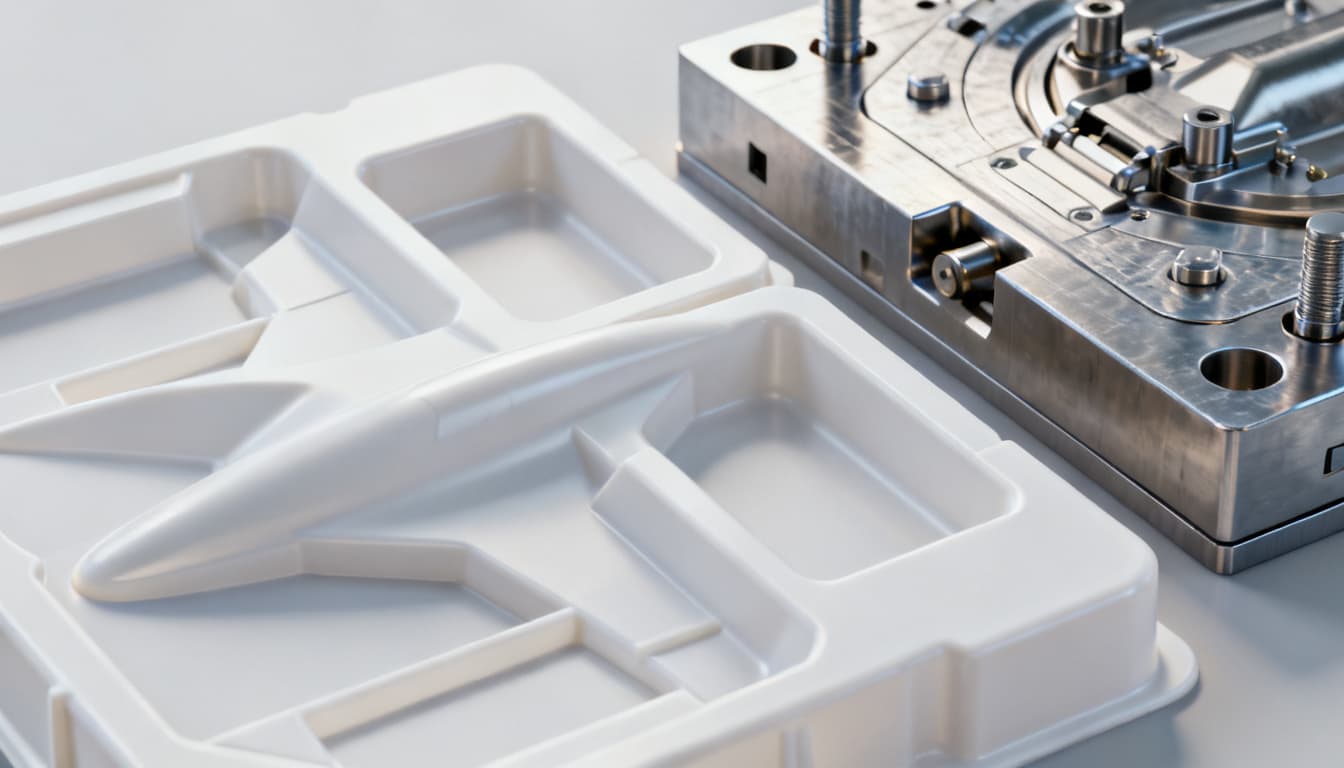
Aerospace Injection Molding
In the aerospace industry, where precision and reliability are paramount, injection molding has emerged as a critical process for manufacturing lightweight and complex components. However, achieving the stringent quality standards required in this field demands expertise in materials, processing par
Aerospace Injection Molding: Precision and Reliability
In the aerospace industry, where precision and reliability are paramount, injection molding has emerged as a critical process for manufacturing lightweight and complex components. However, achieving the stringent quality standards required in this field demands expertise in materials, processing parameters, and design considerations. This article delves into how aerospace injection molding meets these challenges, providing insights into best practices and common pitfalls.
Material Selection for Aerospace Applications
Commonly Used Materials
The choice of materials in aerospace injection molding is crucial due to the demanding environments these components must endure. Common materials include Polyetheretherketone (PEEK), Polyphenylene Sulfide (PPS), and Polyamide-imide (PAI), each offering unique properties such as high-temperature resistance and mechanical strength.
| Material | Max Service Temp (°C) | Tensile Strength (MPa) | Density (g/cm³) |
|---|---|---|---|
| PEEK | 260 | 90-100 | 1.32 |
| PPS | 220 | 70-80 | 1.35 |
| PAI | 275 | 120-130 | 1.41 |
Material Properties and Processing
Each material requires specific processing parameters to optimize performance. For instance, PEEK demands a melt temperature of 360-400°C and a mold temperature of 160-180°C. Deviating from these ranges can lead to defects like warping or incomplete filling.
Design Considerations for Aerospace Components
Wall Thickness and Draft Angles
Designing components with appropriate wall thickness (typically 1-3mm) and draft angles (0.5-2°) is essential to ensure manufacturability and structural integrity. Thicker walls can lead to sink marks and increased cycle times, while inadequate draft angles can cause ejection issues.
Complex Geometries and Tolerances
Aerospace components often feature complex geometries that require tight tolerances. Achieving these tolerances necessitates precision tooling and careful control of processing parameters. ISO 2768 and ASTM D638 provide guidelines for tolerances in injection molded parts.
Injection Molding Process Parameters
Critical Parameters
Key parameters in aerospace injection molding include injection pressure (typically 800-2000 bar), cycle time (30-90 seconds), and cooling time. Each parameter must be optimized to balance quality and efficiency.
| Parameter | Typical Range | Impact on Quality |
|---|---|---|
| Injection Pressure | 800-2000 bar | Affects part density and surface finish |
| Melt Temperature | 340-400°C | Influences flow and fill quality |
| Cycle Time | 30-90 seconds | Impacts production efficiency |
Step-by-Step Process Optimization
- Material Selection: Choose based on mechanical and thermal properties.
- Design Review: Ensure design follows industry standards for wall thickness and tolerances.
- Tooling: Use precision tooling to achieve desired tolerances.
- Parameter Setting: Adjust melt temperature, injection pressure, and cycle time based on material and design.
- Quality Control: Implement rigorous testing to ensure components meet aerospace standards.
Defect Prevention and Solutions
Common Defects and Their Causes
Defects such as warping, sink marks, and voids are common challenges in injection molding. These can be caused by improper cooling, excessive injection pressure, or inadequate material flow.
Solutions and Best Practices
To prevent defects, maintain a consistent mold temperature and ensure uniform cooling. Additionally, optimize the gate design and placement to facilitate even material flow.
Practical Tip: Regularly calibrate your injection molding machines and conduct preventive maintenance to minimize the risk of defects.
Conclusion: Achieving Excellence in Aerospace Injection Molding
Aerospace injection molding demands a high level of expertise to meet stringent standards. By carefully selecting materials, optimizing design, and controlling process parameters, manufacturers can produce reliable and high-quality components. For more detailed guidance or to discuss your specific project needs, get a free quote from our experienced team at Panda Molding.