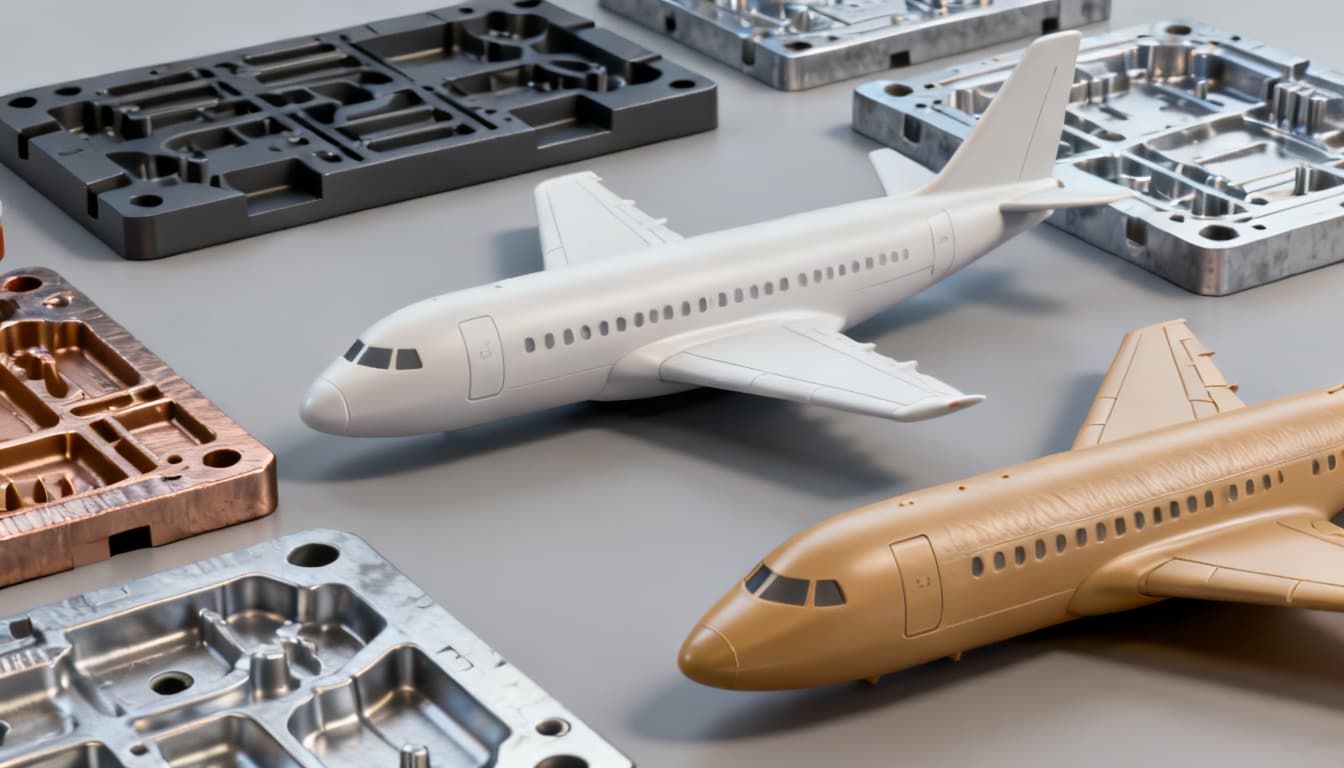
Aerospace Injection Molding Techniques: Comparing Materials and Costs for Optimal Production
Injection molding is a critical process in aerospace manufacturing, where precision and reliability are paramount. Choosing the right materials and techniques can significantly impact the cost-effectiveness and performance of the final product. This article explores the nuances of aerospace injectio
Aerospace Injection Molding Techniques: Comparing Materials and Costs for Optimal Production
Injection molding is a critical process in aerospace manufacturing, where precision and reliability are paramount. Choosing the right materials and techniques can significantly impact the cost-effectiveness and performance of the final product. This article explores the nuances of aerospace injection molding, offering insights into material selection and cost management.
Material Selection for Aerospace Injection Molding
Understanding Material Properties
In aerospace applications, materials must meet stringent criteria for strength, thermal stability, and chemical resistance. Commonly used materials include ABS, PP, PC, PA66, and POM. Each of these materials offers unique properties that make them suitable for different aerospace components.
| Material | Density (g/cm³) | Tensile Strength (MPa) | Thermal Stability (°C) |
|---|---|---|---|
| ABS | 1.04 | 45-55 | 90-105 |
| PP | 0.90 | 30-40 | 130-170 |
| PC | 1.20 | 60-70 | 120-150 |
| PA66 | 1.14 | 70-80 | 180-250 |
| POM | 1.42 | 60-70 | 100-120 |
Material Cost Considerations
Material costs can vary significantly. ABS and PP tend to be more cost-effective, while PC and PA66 offer superior performance at a higher price. Balancing cost and performance is crucial for optimal production in aerospace applications.
Injection Molding Process Parameters
Setting the Right Temperatures
Proper temperature settings are critical for achieving high-quality molded parts. The melt temperature and mold temperature must be carefully controlled based on the material used.
| Material | Melt Temperature (°C) | Mold Temperature (°C) |
|---|---|---|
| ABS | 210-250 | 50-70 |
| PP | 220-250 | 40-60 |
| PC | 270-310 | 80-110 |
| PA66 | 260-290 | 80-120 |
| POM | 190-230 | 80-100 |
Optimizing Injection Pressure and Cycle Time
Injection pressure and cycle time are vital parameters that influence the quality and cost of production. For instance, PC typically requires higher injection pressures (800-1400 bar) compared to PP (600-1000 bar), impacting energy consumption and cycle time.
Cost-Benefit Analysis in Aerospace Molding
Balancing Production Costs
While high-performance materials like PA66 and PC offer excellent properties, they come at a higher cost. A thorough cost-benefit analysis should be conducted to ensure that the benefits outweigh the costs for specific aerospace applications.
Step-by-Step Cost Analysis
- Identify the application requirements (strength, thermal stability, etc.).
- Select potential materials that meet these requirements.
- Calculate the material cost per unit volume.
- Analyze processing costs (energy, cycle time, labor).
- Evaluate the total cost versus the performance benefits.
Common Defects and Solutions
Identifying and Addressing Defects
Common injection molding defects include warping, sink marks, and voids. These issues can often be traced back to improper temperature settings, inadequate pressure, or poor mold design.
Practical Solutions
Tip: To minimize warping, ensure uniform cooling by maintaining consistent mold temperatures and optimizing wall thickness (1-3mm). For sink marks, increase holding pressure and time.
Design Considerations for Aerospace Components
Implementing Design Rules
Adhering to design guidelines such as maintaining appropriate wall thickness (1-3mm) and draft angles (0.5-2°) is crucial for producing high-quality aerospace components. These parameters help in reducing defects and improving part ejection.
Lessons Learned from Practice
In my experience, one common mistake is neglecting the impact of gate location on part quality. Proper gate placement can significantly reduce stress and warping, enhancing the overall integrity of the molded part.
Conclusion
In aerospace injection molding, selecting the right materials and optimizing process parameters are key to achieving cost-effective, high-performance components. By balancing cost and performance, and adhering to established design rules, manufacturers can ensure the production of reliable and efficient aerospace parts. For professional injection molding services, get a free quote from Panda Molding today.