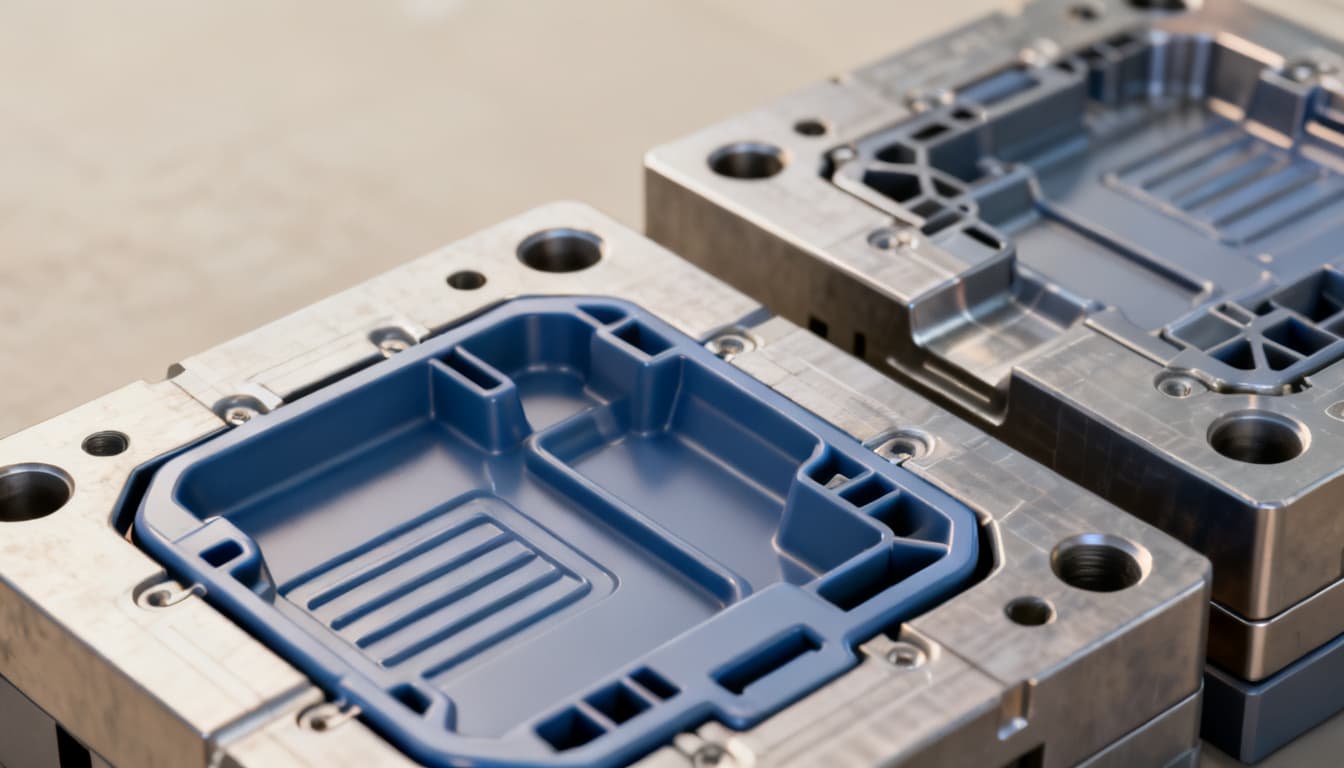
Choosing the Right Blow Molding & Injection Molding Manufacturer: Essential Criteria for Product Designers and Engineers
Deciding on the right blow molding and injection molding manufacturer can be a daunting task for product designers and engineers. With numerous factors to consider, from material selection to process efficiency, making an informed choice is crucial to ensure product quality and cost-effectiveness. T
Choosing the Right Blow Molding & Injection Molding Manufacturer: Essential Criteria for Product Designers and Engineers
Deciding on the right blow molding and injection molding manufacturer can be a daunting task for product designers and engineers. With numerous factors to consider, from material selection to process efficiency, making an informed choice is crucial to ensure product quality and cost-effectiveness. This guide will navigate you through the essential criteria to consider when selecting a manufacturing partner.
Understanding Manufacturing Capabilities
Technical Parameters
When evaluating a manufacturer, it is imperative to understand their technical capabilities. For injection molding, critical parameters include melt temperature, mold temperature, injection pressure, and cycle time. For instance, ABS typically requires a melt temperature of 220-250°C and a mold temperature of 50-80°C. Cycle times can range from 30 to 60 seconds depending on part complexity and size.
Equipment and Technology
Assess the manufacturer's equipment and technology. Advanced machinery with precision control over parameters like injection pressure (typically 600-1200 bar) can significantly impact the quality of the final product. Ensure the manufacturer can handle the specific requirements of your design and material.
Material Expertise
Material Selection
The choice of material impacts product performance and cost. Common materials include ABS, PP, PC, PA66, POM, and TPE. Each has distinct properties: for example, PA66 offers excellent mechanical strength and thermal resistance, suitable for automotive components, while TPE is ideal for flexible applications.
| Material | Melt Temperature (°C) | Applications |
|---|---|---|
| ABS | 220-250 | Consumer electronics, automotive interiors |
| PP | 200-240 | Food containers, automotive parts |
| PC | 270-310 | Optical discs, eyewear lenses |
Material Testing and Quality Control
Ensure the manufacturer conducts rigorous material testing and quality control. This includes adherence to industry standards such as ISO 9001 for quality management systems and ASTM standards for material properties. Consistent quality control helps in minimizing defects such as warping or sink marks, which can occur if mold temperatures are not adequately controlled.
Quality Assurance and Standards
Certification and Compliance
Verify the manufacturer's certifications and compliance with industry standards. Certifications like ISO 14001 for environmental management and ISO/TS 16949 for automotive sector quality management can be indicative of a manufacturer's commitment to quality and sustainability.
Defect Management
Discuss defect management strategies with potential manufacturers. Common defects include warping, sink marks, and short shots. For example, maintaining appropriate wall thickness (1-3mm) and draft angles (0.5-2°) can mitigate these issues. A manufacturer with a proactive approach to defect management can save time and cost in the production process.
Cost and Time Efficiency
Cost Breakdown
Understand the cost structure of the manufacturing process. This includes tooling costs, material costs, and processing costs. A transparent cost breakdown can aid in budget planning and decision-making.
| Cost Component | Estimated Percentage |
|---|---|
| Tooling | 30-50% |
| Material | 20-30% |
| Processing | 20-30% |
Lead Times
Evaluate the manufacturer's lead times. Rapid tooling and efficient processing are crucial for meeting project deadlines. A manufacturer that offers quick turnaround times without compromising quality is invaluable.
Experience and Reputation
Track Record
Consider the manufacturer's track record and reputation in the industry. Long-standing experience and positive testimonials can indicate reliability and expertise. Engage with manufacturers who have a proven history of delivering on similar projects.
Client Feedback
Seek feedback from previous clients. Honest reviews and case studies can provide insights into the manufacturer's strengths and weaknesses. This information is crucial for building trust and making an informed decision.
Practical Tip: Always request sample parts before committing to full production. This allows you to assess the manufacturer's quality and precision firsthand.
Conclusion
Choosing the right blow molding and injection molding manufacturer requires a comprehensive evaluation of their capabilities, material expertise, quality assurance, cost efficiency, and industry reputation. By considering these essential criteria, product designers and engineers can ensure a successful partnership that delivers high-quality products efficiently and cost-effectively. For further assistance in selecting the right manufacturer for your project, get a free quote from Panda Molding today.