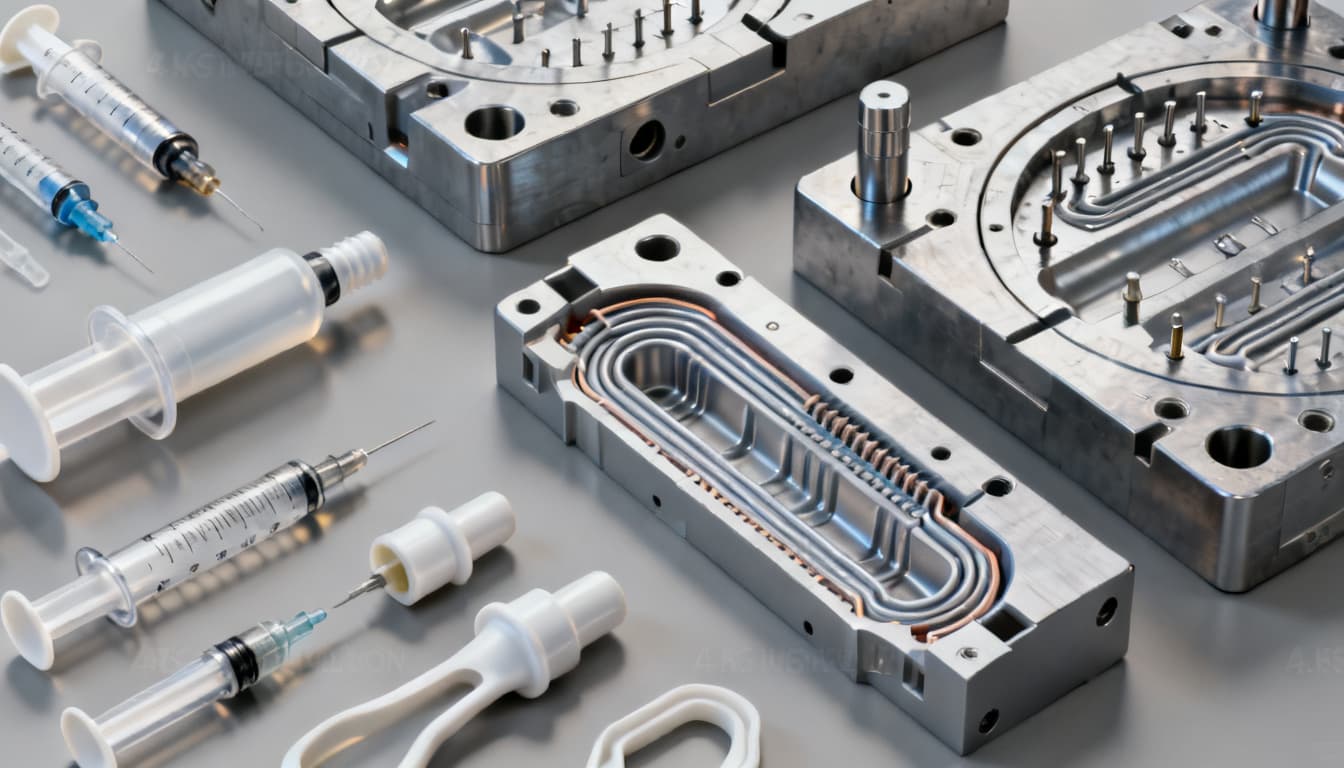
Comparative Review of Leading Medical Injection Molding Companies: What Sets Them Apart?
Choosing the right medical injection molding company can make the difference between a successful product launch and costly setbacks. With numerous options available, how do you determine which company aligns with your specific project needs? This article delves into the technical and operational fa
Comparative Review of Leading Medical Injection Molding Companies: What Sets Them Apart?
Choosing the right medical injection molding company can make the difference between a successful product launch and costly setbacks. With numerous options available, how do you determine which company aligns with your specific project needs? This article delves into the technical and operational factors that distinguish leading medical injection molding companies, helping you make an informed decision.
Quality Control and Compliance
In the medical industry, quality control and compliance with regulatory standards are paramount. Companies that excel in this area often have robust systems in place to ensure every product meets stringent requirements.
ISO and FDA Compliance
Top-tier companies adhere to ISO 13485 standards, which specify requirements for a quality management system specific to medical devices. Additionally, FDA registration and compliance are non-negotiable for any company involved in producing medical components.
Advanced Inspection Techniques
Leading companies employ advanced inspection techniques such as CT scanning and automated optical inspection (AOI) to detect defects that might not be visible to the naked eye. These methods ensure precision and reliability in every batch.
Material Expertise
The choice of material can significantly impact the performance, durability, and biocompatibility of medical components. Here, we compare common materials used in medical injection molding.
| Material | Biocompatibility | Typical Applications | Processing Parameters |
|---|---|---|---|
| ABS | Moderate | Housings, Enclosures | Melt Temp: 210-250°C, Mold Temp: 50-70°C |
| PC | High | Implants, Surgical Instruments | Melt Temp: 270-310°C, Mold Temp: 80-110°C |
| PA66 | Moderate | Gears, Bearings | Melt Temp: 260-290°C, Mold Temp: 70-90°C |
Process Optimization
Manufacturing processes must be optimized to ensure efficiency and precision. This involves fine-tuning various parameters to reduce cycle times and improve product quality.
Cycle Time Reduction
Cycle time is a critical factor in production efficiency. Leading companies leverage technologies like conformal cooling and hot runner systems to reduce cycle times significantly.
Defect Minimization
Common defects such as warping, sink marks, and flash can be minimized by maintaining precise control over injection pressure and mold temperature. For instance, maintaining a mold temperature of 50-70°C for ABS can help reduce warping.
Technological Advancements
Adopting the latest technological advancements can set companies apart in the competitive medical injection molding industry.
Automation and Robotics
Automation in injection molding is not just about speed; it's about consistency and precision. Robotic systems can handle complex tasks with high repeatability, reducing human error and increasing throughput.
Data-Driven Manufacturing
Implementing IoT and data analytics allows companies to monitor processes in real-time, identify inefficiencies, and make data-driven decisions to optimize production.
Cost Considerations
While quality and technology are crucial, cost-effectiveness is also a significant consideration. Here's a breakdown of typical cost factors in medical injection molding.
| Cost Factor | Description | Impact on Total Cost |
|---|---|---|
| Material Costs | Depends on type and grade of material | 30-50% |
| Tooling Costs | Initial investment for mold design and fabrication | 20-30% |
| Production Costs | Includes labor, energy, and maintenance | 20-40% |
Selecting the Right Partner: A Step-by-Step Guide
- Define your project requirements, including material, volume, and timeline.
- Research potential partners and verify their compliance with ISO 13485 and FDA standards.
- Evaluate their technological capabilities, including automation and data analytics.
- Request detailed quotes and compare cost structures.
- Conduct a site visit to assess their facilities and quality control processes.
- Check references and past performance in similar projects.
Practical Tip: Always request a sample batch before committing to large-scale production. This allows you to verify the quality and make necessary adjustments before full-scale manufacturing.
Conclusion
Choosing the right medical injection molding company involves a careful assessment of quality control, material expertise, process optimization, technological advancements, and cost considerations. By following a systematic approach, you can partner with a company that not only meets your technical requirements but also aligns with your business goals. For more information or to get a free quote, reach out to us at Panda Molding.