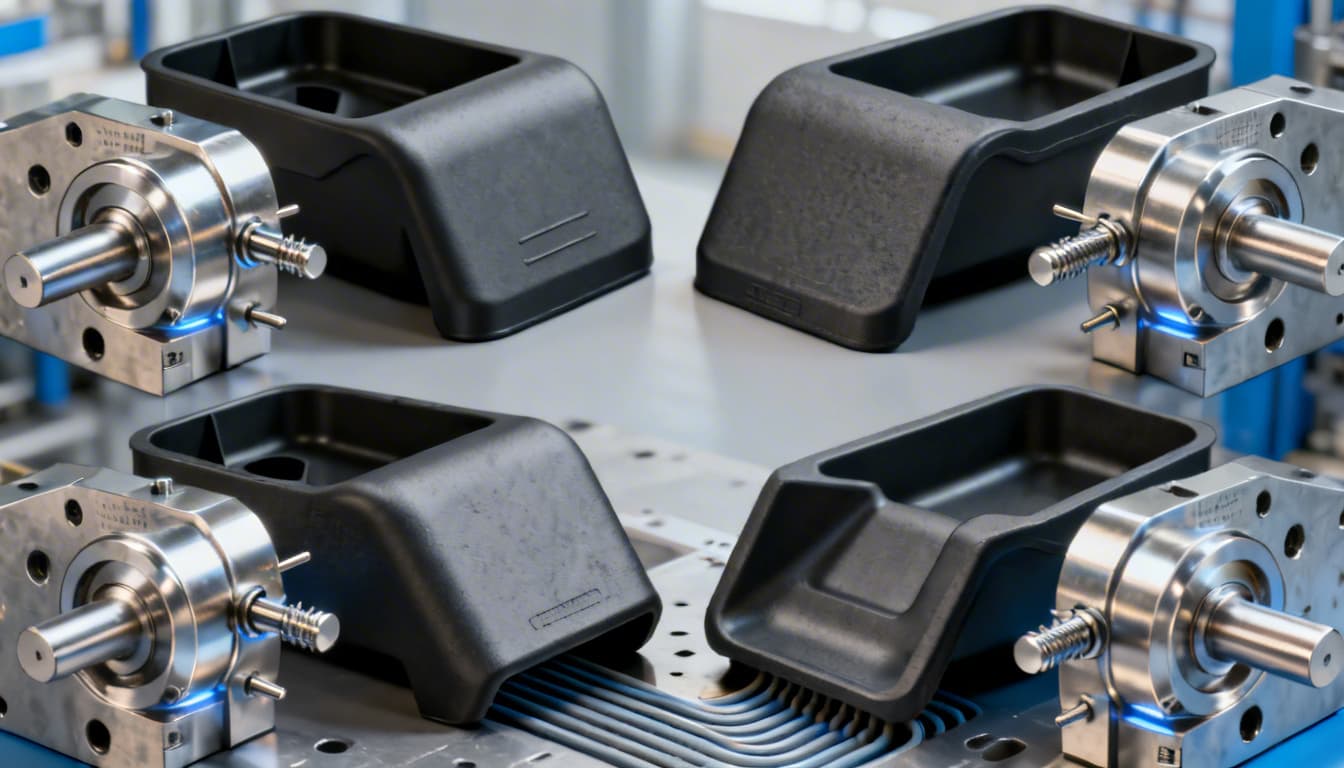
Cost-Effective Strategies: 4 Proven Techniques to Slash Your Injection Molding Expenses
Injection molding can be a costly endeavor, especially when inefficiencies creep into your processes. As a seasoned injection molding engineer, I've seen firsthand how strategic adjustments can lead to significant cost savings. Let's explore four proven techniques that can help you optimize your ope
Cost-Effective Strategies: 4 Proven Techniques to Slash Your Injection Molding Expenses
Injection molding can be a costly endeavor, especially when inefficiencies creep into your processes. As a seasoned injection molding engineer, I've seen firsthand how strategic adjustments can lead to significant cost savings. Let's explore four proven techniques that can help you optimize your operations and reduce expenses without compromising on quality.
1. Optimize Material Selection
Choosing the right material for your injection molding project is crucial for both performance and cost-efficiency. Understanding the properties and cost implications of various materials can help you make informed decisions.
Material Comparison
Different materials offer varying levels of strength, flexibility, and cost. Here's a comparison of common materials used in injection molding:
| Material | Cost (per kg) | Melt Temperature (°C) | Applications |
|---|---|---|---|
| ABS | $2.00 | 220-250 | Automotive, electronics |
| PP | $1.50 | 170-220 | Packaging, household goods |
| PC | $3.50 | 270-310 | Optical discs, eyewear lenses |
| PA66 | $4.00 | 260-290 | Mechanical parts, textiles |
Trade-offs and Recommendations
While ABS offers a good balance of cost and performance, PP might be more suitable for applications where chemical resistance is crucial. Consider the specific requirements of your application and consult with material suppliers to find the best fit. Keep in mind the processing parameters for each material, as these can impact your cycle time and overall efficiency.
2. Enhance Mold Design
Efficient mold design is a cornerstone of cost-effective injection molding. By optimizing mold features, you can reduce cycle times and minimize defects, leading to significant cost savings.
Design Rules and Parameters
- Wall Thickness: Maintain uniform wall thickness between 1-3mm to avoid warping and ensure even cooling.
- Draft Angles: Incorporate draft angles of 0.5-2° to facilitate easy ejection of parts.
- Rib Design: Use ribs instead of thick walls to enhance stiffness without increasing material usage.
Common Mistakes and Solutions
One common mistake is neglecting the importance of venting in mold design. Insufficient venting can lead to air traps and incomplete fills. Ensure adequate venting channels are included to prevent such issues.
3. Fine-Tune Process Parameters
Optimizing your process parameters can significantly impact your production costs. By carefully adjusting parameters like injection pressure, mold temperature, and cycle time, you can achieve better efficiency and reduce waste.
Key Parameters to Monitor
| Parameter | Recommended Range | Impact on Cost |
|---|---|---|
| Injection Pressure | 700-1200 bar | Higher pressure can reduce cycle time but increase wear on molds. |
| Mold Temperature | 80-120°C | Proper temperature control ensures part quality and reduces cycle time. |
| Cycle Time | 15-60 seconds | Optimizing cycle time improves throughput and reduces energy costs. |
Checklist for Process Optimization
- Regularly calibrate and maintain equipment to ensure accurate parameter settings.
- Conduct trial runs to determine optimal settings for each new material or design.
- Use simulation software to predict and address potential issues before production.
4. Implement Quality Control Measures
Quality control is integral to reducing waste and ensuring consistent product quality. By identifying defects early and implementing corrective actions, you can avoid costly rework and scrap.
Defect Causes and Solutions
Common defects include sink marks, warping, and short shots. Here are some solutions:
- Sink Marks: Ensure uniform wall thickness and optimize cooling time.
- Warping: Balance cooling rates and maintain consistent mold temperatures.
- Short Shots: Increase injection pressure or adjust gate locations to improve flow.
Practical Tips for Quality Assurance
Tip: Implement a robust quality management system (QMS) aligned with ISO 9001 standards. Regularly audit your processes and train your team to identify and address quality issues proactively.
Conclusion
By carefully selecting materials, optimizing mold design, fine-tuning process parameters, and implementing rigorous quality control measures, you can significantly reduce your injection molding costs. These strategies not only enhance efficiency but also ensure high-quality outputs that meet industry standards. For expert assistance and to get a free quote, reach out to Panda Molding today.