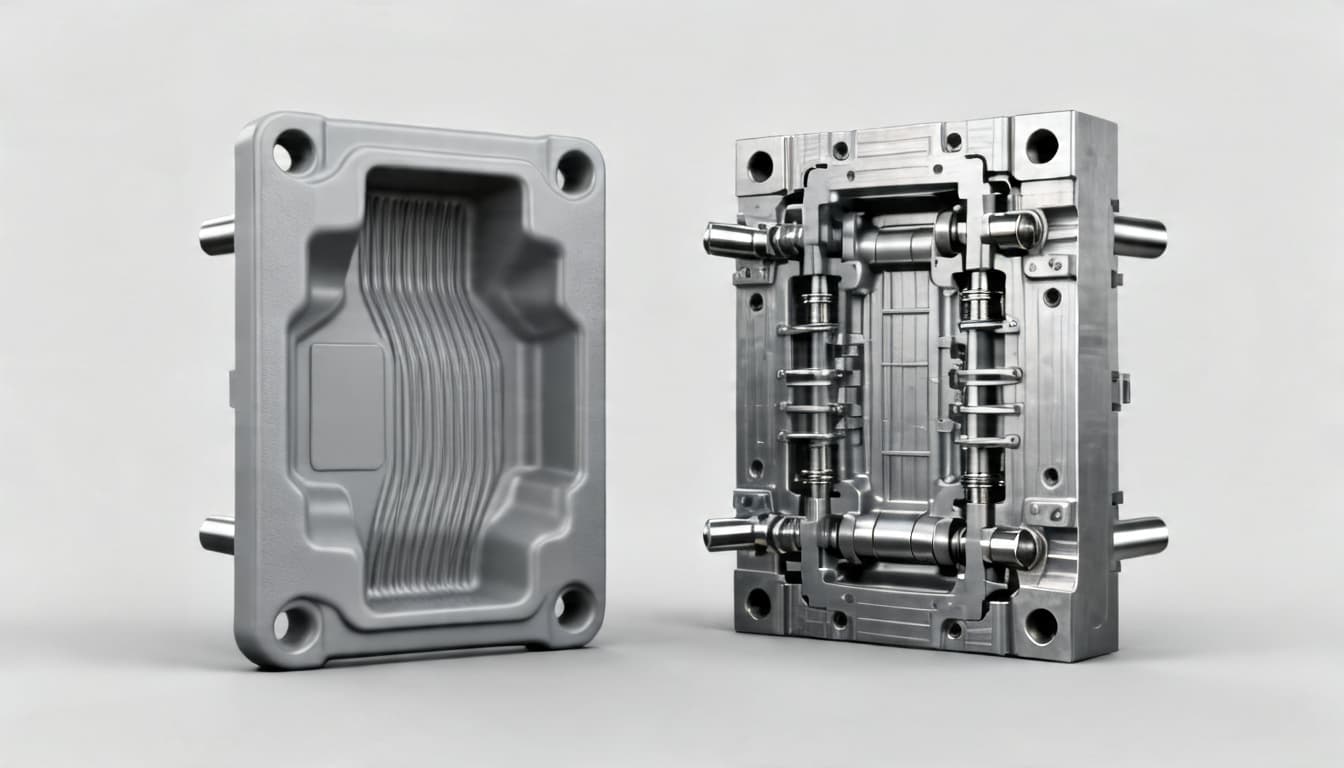
Cost Optimization in Injection Molding: Balancing Quality and Budget for Success
Injection molding is a cornerstone of modern manufacturing, but its cost can be a significant concern for companies striving to maintain high quality while adhering to budget constraints. Achieving this balance requires a deep understanding of the injection molding process, material selection, and t
Cost Optimization in Injection Molding: Balancing Quality and Budget for Success
Injection molding is a cornerstone of modern manufacturing, but its cost can be a significant concern for companies striving to maintain high quality while adhering to budget constraints. Achieving this balance requires a deep understanding of the injection molding process, material selection, and the trade-offs involved in production decisions.
Understanding Key Injection Molding Parameters
To optimize costs without compromising quality, it's crucial to fine-tune the injection molding parameters. These parameters include melt temperature, mold temperature, injection pressure, and cycle time. Each plays a vital role in determining the final product's quality and production efficiency.
Melt and Mold Temperatures
Melt temperature is critical for ensuring proper flow and filling of the mold. For instance, ABS typically requires a melt temperature between 210°C and 250°C, while PP (Polypropylene) ranges from 190°C to 230°C. The mold temperature, on the other hand, affects the cooling rate and surface finish. ABS benefits from mold temperatures of 50°C to 70°C, whereas PP can range from 10°C to 50°C.
Injection Pressure and Cycle Time
Injection pressure, typically between 500 and 2000 bar, must be sufficient to fill the mold without causing defects such as flash or burn marks. Cycle time, the duration of the entire injection process, directly impacts production costs. Reducing cycle time from 40 seconds to 30 seconds can significantly reduce costs, but it requires careful balance to avoid compromising part quality.
Material Selection and Cost Implications
Choosing the right material is a critical aspect of cost optimization. Different materials offer varying properties and costs, influencing both the production process and the final product performance.
| Material | Cost per kg (USD) | Typical Applications | Key Properties |
|---|---|---|---|
| ABS | 2.50 | Automotive, Consumer Goods | Impact Resistance, Surface Finish |
| PP | 1.80 | Packaging, Household Items | Flexibility, Chemical Resistance |
| PC | 3.00 | Electronics, Optical Discs | High Clarity, Toughness |
| PA66 | 3.20 | Gears, Bearings | High Strength, Thermal Stability |
Balancing Material Costs and Performance
While cheaper materials like PP can lower costs, they may not provide the necessary mechanical properties for certain applications. Conversely, high-performance materials like PC or PA66 offer superior properties but at a higher cost. It's essential to assess the specific requirements of the application to make informed material choices.
Design Considerations for Cost Efficiency
Design plays a pivotal role in the cost-effectiveness of injection molding. Proper design can minimize material usage, reduce cycle times, and enhance product quality.
Wall Thickness and Draft Angles
Maintaining a consistent wall thickness between 1-3mm can prevent defects like warping and sink marks, reducing scrap rates. Additionally, incorporating draft angles of 0.5-2° facilitates easier part ejection, minimizing cycle time and tool wear.
Design for Manufacturability
Designing parts that are easy to manufacture can significantly lower production costs. Avoid intricate geometries that complicate mold design and increase tooling costs. Instead, focus on simplifying part design while maintaining functionality.
Process Optimization: Reducing Waste and Increasing Efficiency
Process optimization is crucial for reducing waste and improving efficiency in injection molding. Implementing lean manufacturing principles can help identify and eliminate inefficiencies.
Checklist for Process Optimization
- Analyze current cycle times and identify bottlenecks.
- Implement automation to reduce manual intervention.
- Regularly maintain and calibrate machines to prevent downtime.
- Utilize real-time monitoring to track production metrics.
- Conduct regular training for operators to ensure best practices.
Cost-Benefit Analysis: Making Informed Decisions
Conducting a cost-benefit analysis can help manufacturers make informed decisions about where to allocate resources for maximum impact.
| Investment Area | Initial Cost (USD) | Potential Savings (USD/year) | ROI Period (Months) |
|---|---|---|---|
| Advanced Tooling | 50,000 | 20,000 | 30 |
| Automation Systems | 100,000 | 40,000 | 30 |
| Material Optimization | 10,000 | 5,000 | 24 |
Understanding Trade-offs
While investing in advanced tooling can reduce cycle times and improve part quality, the initial cost may be prohibitive for some manufacturers. It's crucial to weigh the long-term benefits against the upfront investment to determine the best course of action.
Practical Tips: Regularly review your production processes and material choices. Small adjustments can lead to significant cost savings. Consider partnering with experienced injection molding services, like those offered by Panda Molding, for expert advice and support.
Conclusion: Achieving Cost-Effective Injection Molding
Cost optimization in injection molding requires a comprehensive approach that balances quality and budget. By understanding key parameters, making informed material choices, and optimizing processes, manufacturers can achieve significant cost savings without compromising product quality. Regular assessments and strategic investments can further enhance efficiency and ensure long-term success in the competitive manufacturing landscape.