Cost Optimization Strategies for Texas Injection Molding: A Data-Driven Approach
Injection molding in Texas is not just about producing high-quality plastic parts; it's about doing so efficiently and cost-effectively. With rising material costs and competitive pressure, optimizing expenses without sacrificing quality is crucial. This article delves into data-driven strategies to
Cost Optimization Strategies for Texas Injection Molding: A Data-Driven Approach
Injection molding in Texas is not just about producing high-quality plastic parts; it's about doing so efficiently and cost-effectively. With rising material costs and competitive pressure, optimizing expenses without sacrificing quality is crucial. This article delves into data-driven strategies to reduce costs in injection molding, backed by real-world experience and industry standards.
Understanding Material Costs
Material Selection
The choice of material significantly impacts the overall cost of injection molding. Common materials like ABS, PP, and PC have different price points and properties. For example, ABS is often chosen for its toughness and impact resistance, while PP is favored for its cost-effectiveness and chemical resistance.
| Material | Cost per kg | Typical Applications |
|---|---|---|
| ABS | $2.50 | Automotive, Electronics |
| PP | $1.80 | Packaging, Consumer Goods |
| PC | $3.00 | Optical Discs, Safety Equipment |
Material Utilization
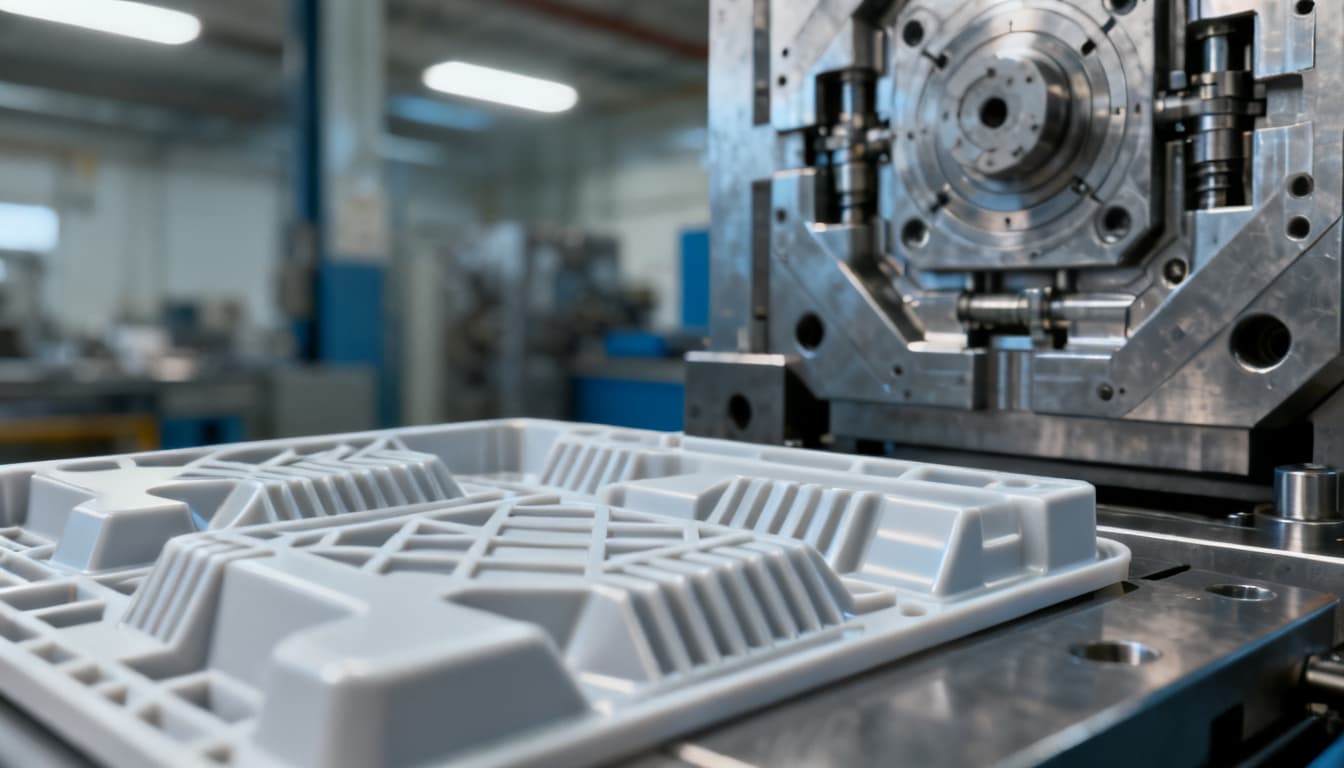
Optimizing material usage can drastically reduce costs. Aim for minimal wall thickness, typically between 1-3mm, and incorporate design features like ribs or gussets to maintain strength without excess material.
Optimizing Process Parameters
Melt and Mold Temperature
Maintaining the correct melt and mold temperatures is vital for both quality and cost efficiency. For example, ABS typically requires a melt temperature of 210-250°C and a mold temperature of 60-80°C. Deviating from these parameters can lead to defects like warping or incomplete fills, resulting in waste and increased costs.
Injection Pressure and Speed
Setting the right injection pressure and speed is essential. High pressure can lead to flash defects, while low pressure might cause short shots. A typical injection pressure range for ABS is 60-100 MPa. Adjust these parameters based on the part design and material to optimize cycle times and reduce energy consumption.
Reducing Cycle Time
Cooling Time Optimization
Cooling time accounts for a significant portion of the cycle time. Implementing efficient cooling systems or using materials with faster cooling rates can reduce cycle times. For instance, using a water-cooled mold can shave seconds off the cycle time, translating to substantial savings over large production runs.
Automation and Robotics
Incorporating automation can streamline processes and reduce labor costs. Robots can handle repetitive tasks like part removal and packaging, allowing human operators to focus on more complex tasks.
Design for Manufacturability (DFM)
Part Design Considerations
Designing parts with manufacturability in mind can prevent costly redesigns and production delays. Ensure proper draft angles (typically 0.5-2°) to facilitate easy part ejection and avoid complex geometries that complicate mold design.
Mold Design
A well-designed mold can significantly impact production efficiency. Consider factors like gate location and size, runner design, and mold material to minimize waste and improve cycle times.
Quality Control and Defect Reduction
Common Defects and Solutions
Defects such as sink marks, warping, and short shots can increase costs through rework and scrap. Implementing rigorous quality control measures and maintaining process parameters within optimal ranges can reduce these issues.
| Defect | Cause | Solution |
|---|---|---|
| Sink Marks | Thick Sections | Reduce Thickness, Optimize Cooling |
| Warping | Uneven Cooling | Adjust Cooling System, Use Uniform Wall Thickness |
| Short Shots | Insufficient Pressure | Increase Injection Pressure, Check Venting |
Implementing a Cost Optimization Strategy
- Analyze current material costs and explore alternatives.
- Review and optimize process parameters.
- Evaluate cycle times and implement automation where feasible.
- Ensure part and mold designs are optimized for manufacturability.
- Implement robust quality control measures to reduce defects.
Practical Tip: Regularly review and adjust process parameters based on production data. Small tweaks can lead to significant cost savings over time.
Conclusion
Cost optimization in injection molding requires a comprehensive approach that considers material selection, process parameters, cycle times, and quality control. By leveraging data and adhering to industry standards, Texas manufacturers can achieve significant cost savings while maintaining high-quality production. For more information or to discuss your specific needs, get a free quote from Panda Molding.