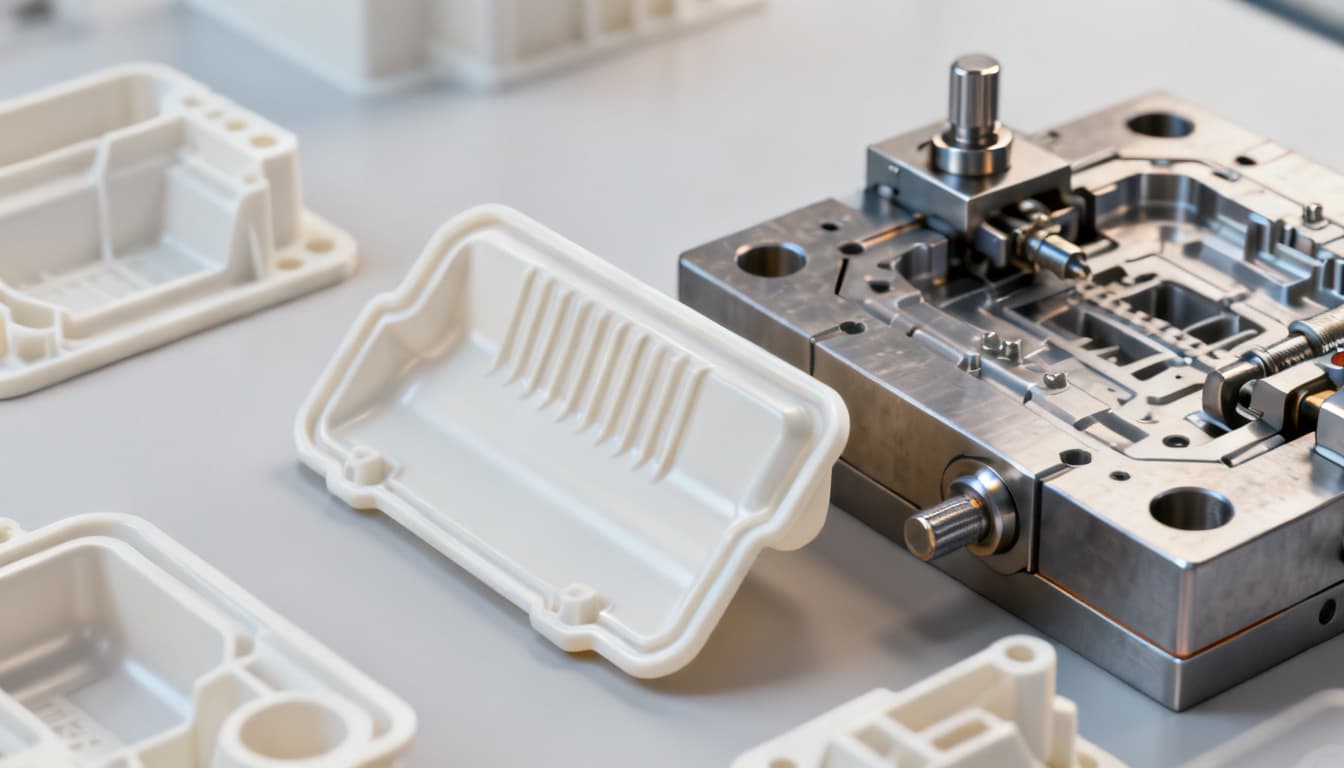
Cost Reduction Strategies: Real Data Insights for Streamlining Your Injection Molding Operations
Injection molding is a cornerstone of modern manufacturing, but with rising material costs and energy prices, optimizing operations is more critical than ever. By leveraging real data insights and proven strategies, manufacturers can significantly reduce costs without compromising on quality.
Cost Reduction Strategies: Real Data Insights for Streamlining Your Injection Molding Operations
Injection molding is a cornerstone of modern manufacturing, but with rising material costs and energy prices, optimizing operations is more critical than ever. By leveraging real data insights and proven strategies, manufacturers can significantly reduce costs without compromising on quality.
Optimizing Material Selection
Choosing the right material is paramount for cost efficiency in injection molding. Each material offers distinct advantages and trade-offs in terms of cost, performance, and processing.
Material Cost and Performance Comparison
| Material | Cost (per kg) | Melt Temp (°C) | Typical Applications |
|---|---|---|---|
| ABS | $2.50 | 220-250 | Consumer goods, automotive |
| PP | $1.80 | 160-180 | Packaging, textiles |
| PA66 | $3.00 | 260-290 | Mechanical components |
Considerations for Material Selection
While lower-cost materials like polypropylene (PP) may appear attractive, it’s essential to consider the application's mechanical and thermal requirements. For instance, ABS provides better impact resistance, making it suitable for automotive parts despite its higher cost.
Process Parameter Optimization
Fine-tuning process parameters can lead to significant cost savings by reducing cycle times and energy consumption.
Key Process Parameters
| Parameter | Recommended Value | Impact on Cost |
|---|---|---|
| Injection Pressure | 800-1400 bar | Higher pressures can increase energy costs |
| Mold Temperature | 40-80°C | Optimizing can reduce cycle time |
| Cycle Time | 15-30 seconds | Shorter cycles reduce labor and energy costs |
Practical Adjustments
Adjusting the mold temperature can significantly impact cycle time. For example, reducing the mold temperature from 80°C to 60°C can shorten the cycle by up to 10%, directly lowering production costs.
Implementing Preventive Maintenance
Regular maintenance of injection molding equipment is crucial to prevent unexpected downtime and costly repairs.
Maintenance Checklist
- Inspect and clean molds regularly to prevent defects.
- Check hydraulic systems for leaks or pressure drops.
- Calibrate temperature and pressure sensors monthly.
- Lubricate moving parts to reduce wear and tear.
Benefits of Preventive Maintenance
By implementing a robust maintenance schedule, manufacturers can extend equipment life, reduce scrap rates, and maintain consistent quality, all contributing to lower overall costs.
Design for Manufacturability (DFM)
Design considerations play a crucial role in reducing manufacturing costs. Effective DFM can minimize material usage and simplify the molding process.
Design Guidelines
- Maintain uniform wall thickness between 1-3mm to prevent warping.
- Incorporate draft angles of 0.5-2° to facilitate easy ejection.
- Avoid complex geometries that require additional tooling or processing.
Real-World Example
In one project, redesigning a part to reduce wall thickness by 0.5mm resulted in a 15% reduction in material usage, directly contributing to cost savings and faster cycle times.
Leveraging Advanced Technologies
Investing in technology such as simulation software and automated systems can provide long-term cost benefits.
Simulation Software
Using simulation tools allows engineers to predict potential defects and optimize designs before physical prototyping, saving both time and material costs.
Automation and Robotics
Automating repetitive tasks, such as part removal and inspection, can reduce labor costs and increase throughput. For example, integrating a robotic arm for part ejection can cut labor costs by up to 30%.
Practical Tip: Regularly review your process parameters and maintenance schedules. Small adjustments can lead to significant savings over time.
Conclusion
Cost reduction in injection molding is achievable through strategic material selection, process optimization, preventive maintenance, thoughtful design, and leveraging technology. By implementing these strategies, manufacturers can streamline operations and improve their bottom line without sacrificing quality.
For tailored advice and to explore how these strategies can benefit your operations, get a free quote from Panda Molding today.