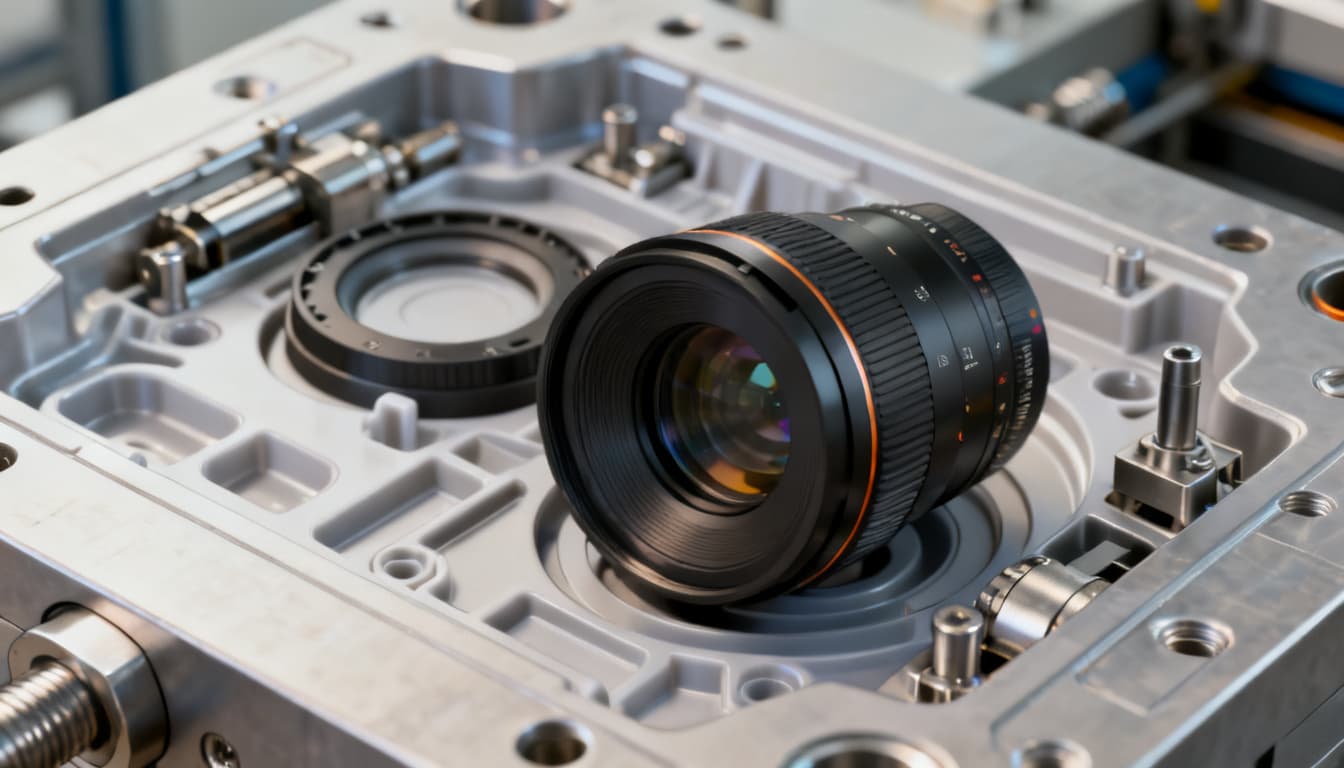
Crafting the Future: Precision Lens Design and Optical Injection Molding for High-Performance Applications
In today's rapidly advancing technological landscape, the demand for high-precision optical components is more significant than ever. From smartphones to advanced medical devices, the need for superior optical performance necessitates innovation in lens design and the injection molding processes tha
Crafting the Future: Precision Lens Design and Optical Injection Molding for High-Performance Applications
In today's rapidly advancing technological landscape, the demand for high-precision optical components is more significant than ever. From smartphones to advanced medical devices, the need for superior optical performance necessitates innovation in lens design and the injection molding processes that produce them. Here, we delve into the nuances of optical injection molding, offering insights that can help you achieve unparalleled precision and performance.
Understanding the Basics of Optical Injection Molding
Optical injection molding is a specialized process that requires meticulous attention to detail. Unlike standard injection molding, where aesthetics may take precedence, optical injection molding focuses on achieving the highest possible optical clarity and precision. This process is used to manufacture components such as lenses, light guides, and other optical elements.
Key Process Parameters
For optical injection molding, the process parameters must be tightly controlled. Typical melt temperatures for polycarbonate (PC), a common material for lenses, range from 260°C to 300°C. Mold temperatures are equally crucial, often maintained between 80°C and 120°C to ensure proper material flow and surface finish.
| Parameter | Polycarbonate (PC) | Polymethyl methacrylate (PMMA) |
|---|---|---|
| Melt Temperature | 260°C - 300°C | 200°C - 250°C |
| Mold Temperature | 80°C - 120°C | 60°C - 100°C |
| Injection Pressure | 800 - 1400 bar | 600 - 1000 bar |
| Cycle Time | 30 - 60 seconds | 20 - 45 seconds |
Choosing the Right Materials for Optical Precision
The choice of material is pivotal in achieving the desired optical properties. The most commonly used materials in optical injection molding include polycarbonate (PC) and polymethyl methacrylate (PMMA). Both materials offer excellent clarity and optical properties, but they differ in terms of impact resistance and processing requirements.
Material Comparison
PC is known for its high impact resistance, making it suitable for applications where durability is essential. However, it requires higher processing temperatures compared to PMMA. On the other hand, PMMA offers superior transparency and is easier to process but is less impact-resistant.
| Property | Polycarbonate (PC) | Polymethyl methacrylate (PMMA) |
|---|---|---|
| Transparency | Excellent | Superior |
| Impact Resistance | High | Moderate |
| UV Resistance | Good | Excellent |
| Processing Temperature | High | Moderate |
Design Considerations for Optical Components
Designing optical components requires a deep understanding of both optical principles and material behavior. Key considerations include wall thickness, draft angles, and surface finish.
Wall Thickness and Draft Angles
Maintaining uniform wall thickness is crucial to avoid optical distortion. Typically, wall thicknesses should be kept between 1-3mm. Draft angles of 0.5° to 2° are recommended to facilitate easy ejection from the mold, minimizing the risk of surface defects.
Surface Finish and Optical Clarity
The surface finish of the mold directly impacts the optical clarity of the final product. A highly polished mold surface is essential to achieving the desired optical properties. Additionally, maintaining tight tolerances is critical to ensure the component meets the required optical specifications.
Common Defects and Their Solutions
Despite best efforts, defects can occur in optical injection molding. Understanding these defects and their causes is essential for troubleshooting and prevention.
Flow Marks and Weld Lines
Flow marks and weld lines are common issues that can affect optical quality. These defects often result from improper flow of the molten material. Increasing mold temperature and optimizing injection speed can help mitigate these defects.
Sink Marks and Voids
Sink marks and voids are typically caused by uneven cooling or insufficient packing pressure. Ensuring uniform wall thickness and optimizing packing pressure can reduce the occurrence of these defects.
Practical Tips:
- Regularly calibrate and maintain your injection molding machine to ensure consistent performance.
- Use simulation software to predict and address potential defects before production begins.
- Collaborate closely with material suppliers to select the optimal material for your specific application.
Step-by-Step Process for Successful Optical Injection Molding
- Material Selection: Choose the appropriate material based on optical requirements and application environment.
- Mold Design: Design the mold with precision, ensuring proper draft angles and surface finish.
- Machine Setup: Configure the injection molding machine with the correct parameters for the chosen material.
- Process Optimization: Conduct trial runs and adjust parameters to achieve optimal performance and minimize defects.
- Quality Control: Implement rigorous quality control measures to ensure each component meets the required specifications.
Conclusion: Achieving Precision in Optical Injection Molding
Precision lens design and optical injection molding are critical to the success of high-performance applications. By understanding the intricacies of the process, selecting the right materials, and optimizing design and processing parameters, manufacturers can produce optical components that meet the highest standards of quality and performance. To explore how Panda Molding can assist in your optical injection molding projects, get a free quote today.