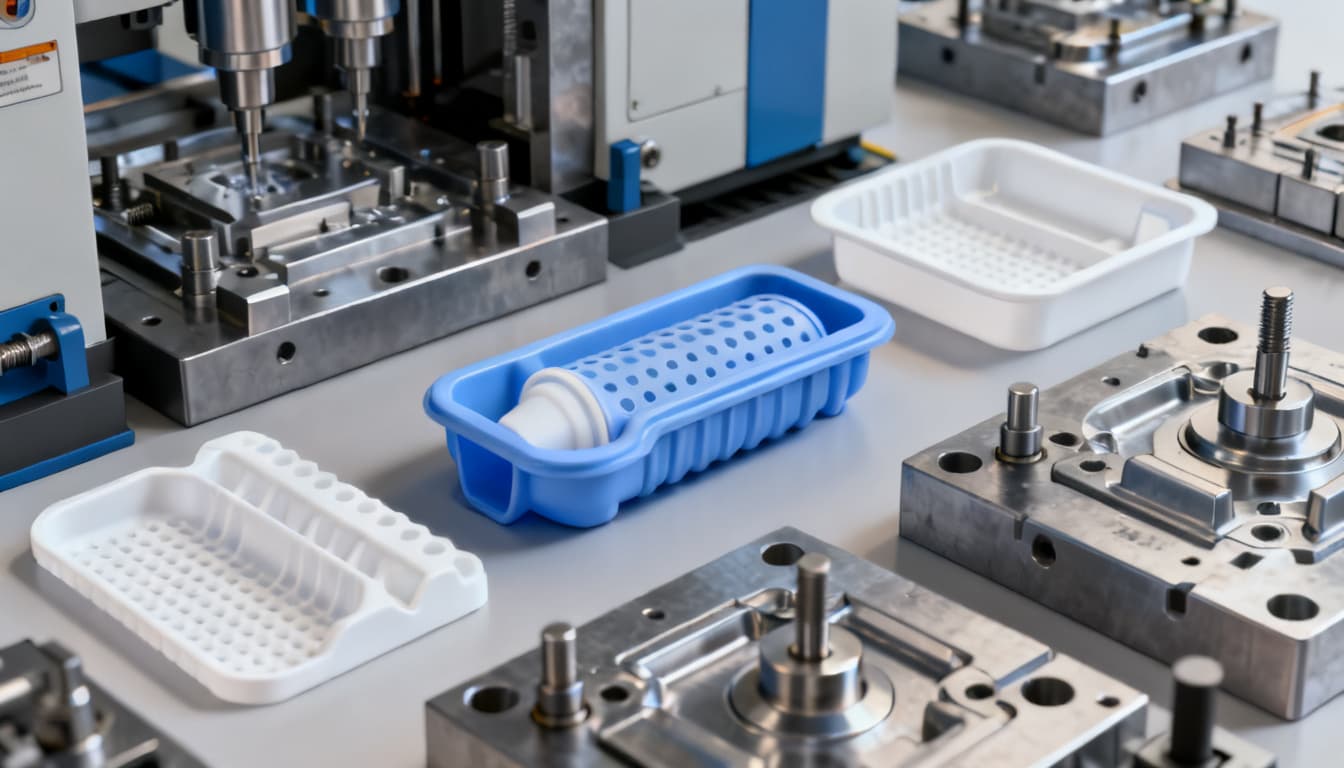
Custom Medical Plastics Manufacturing for OEMs: Best Practices and Common Pitfalls to Avoid in 2026
In the competitive field of medical device manufacturing, the demand for precision and reliability is paramount. As we look toward 2026, OEMs must navigate the intricate landscape of custom medical plastics with both expertise and caution. This article delves into the best practices for injection mo
Custom Medical Plastics Manufacturing for OEMs: Best Practices and Common Pitfalls to Avoid in 2026
In the competitive field of medical device manufacturing, the demand for precision and reliability is paramount. As we look toward 2026, OEMs must navigate the intricate landscape of custom medical plastics with both expertise and caution. This article delves into the best practices for injection molding in the medical sector, while also highlighting pitfalls that can derail even the most promising projects.
Understanding Material Selection for Medical Applications
The choice of material is critical when manufacturing medical components. The selected plastic must not only meet functional requirements but also comply with stringent regulatory standards.
Key Material Properties
When selecting materials for medical applications, it's essential to consider properties such as biocompatibility, chemical resistance, and sterilization compatibility. Commonly used materials include Polycarbonate (PC), Acrylonitrile Butadiene Styrene (ABS), and Polypropylene (PP).
| Material | Biocompatibility | Chemical Resistance | Sterilization Methods |
|---|---|---|---|
| Polycarbonate (PC) | High | Moderate | Autoclave, ETO |
| Acrylonitrile Butadiene Styrene (ABS) | Moderate | Low | ETO, Gamma |
| Polypropylene (PP) | High | High | Autoclave, ETO, Gamma |
Regulatory Considerations
Materials must comply with ISO 10993 for biocompatibility and FDA regulations. Ensure that your material supplier provides full documentation and certifications to streamline the approval process.
Optimizing Injection Molding Parameters
Precise control over injection molding parameters is essential to achieving consistent quality in medical plastics manufacturing.
Critical Process Parameters
Key parameters include melt temperature, mold temperature, injection pressure, and cycle time. These must be tightly controlled to prevent defects and ensure product consistency.
| Parameter | Recommended Range |
|---|---|
| Melt Temperature | 180°C - 250°C |
| Mold Temperature | 40°C - 80°C |
| Injection Pressure | 800 - 1500 bar |
| Cycle Time | 30 - 60 seconds |
Common Defects and Solutions
Defects such as warping, flash, and voids can occur if parameters are not optimized. For instance, excessive injection pressure can cause flash, while inadequate cooling time may lead to warping. Regularly auditing these parameters and adjusting based on feedback is crucial.
Design Considerations for Medical Parts
Designing medical parts requires careful attention to detail to ensure functionality and manufacturability.
Wall Thickness and Draft Angles
Maintaining a uniform wall thickness between 1-3mm can help minimize warping and ensure even cooling. Draft angles of 0.5° to 2° are recommended to facilitate easy ejection from the mold.
Integration of Features
Incorporating features such as ribs and bosses can enhance the structural integrity of the part. However, these should be designed with appropriate radii to prevent stress concentrations.
Quality Control and Testing
Implementing robust quality control measures is non-negotiable in medical plastics manufacturing.
Inspection Techniques
Employing techniques such as CMM (Coordinate Measuring Machine) inspections and in-line vision systems can detect dimensional deviations early. Regular testing for properties like tensile strength and impact resistance ensures that the parts meet specifications.
Process Validation
Process validation is a critical step to demonstrate that production processes consistently yield products meeting predetermined specifications. This includes IQ (Installation Qualification), OQ (Operational Qualification), and PQ (Performance Qualification).
Cost Management and Efficiency
Balancing cost and quality is a challenge for many OEMs. Here are some strategies to optimize costs without compromising quality.
Cost Breakdown
Understanding the cost components of injection molding can aid in identifying areas for savings. Major cost factors include material, tooling, and labor.
| Cost Component | Percentage of Total Cost |
|---|---|
| Material | 30% |
| Tooling | 40% |
| Labor | 20% |
| Overhead | 10% |
Efficiency Tips
Practical Tips:
- Invest in high-quality tooling to reduce long-term maintenance costs.
- Implement lean manufacturing principles to minimize waste and improve efficiency.
- Regularly review and optimize the supply chain to reduce material costs.
Conclusion
Manufacturing custom medical plastics for OEMs requires a balanced approach that combines material science, precise engineering, and stringent quality control. By adhering to best practices and avoiding common pitfalls, manufacturers can produce high-quality medical components that meet regulatory standards and customer expectations. For more information or to discuss your specific needs, get a free quote from Panda Molding today.