Cutting Edge Techniques to Slash Injection Molding Cycle Time: A Step-by-Step Guide for Engineers
As an injection molding engineer, one of your primary goals is to optimize production efficiency without compromising quality. Reducing cycle time is a critical factor in achieving this goal, but it can be challenging due to the complex interplay of materials, machine settings, and design constraint
Cutting Edge Techniques to Slash Injection Molding Cycle Time: A Step-by-Step Guide for Engineers
As an injection molding engineer, one of your primary goals is to optimize production efficiency without compromising quality. Reducing cycle time is a critical factor in achieving this goal, but it can be challenging due to the complex interplay of materials, machine settings, and design constraints. This guide provides practical insights and techniques to help you significantly reduce cycle times, backed by industry standards and real-world experience.
Understanding the Basics of Cycle Time Reduction
Key Parameters to Monitor
Cycle time in injection molding is influenced by several parameters, including melt temperature, mold temperature, injection pressure, and cooling time. For example, a typical cycle time might range from 10 to 60 seconds, depending on the material and part complexity. By carefully monitoring and adjusting these parameters, you can often achieve a 10-20% reduction in cycle time.
Material Selection and Its Impact
Choosing the right material is crucial. For instance, ABS has a melt temperature of 220-260°C and a mold temperature of 50-80°C, while PP requires a melt temperature of 200-260°C and a mold temperature of 10-80°C. Understanding these differences helps in optimizing the cycle time.
| Material | Melt Temperature (°C) | Mold Temperature (°C) | Typical Cycle Time (s) |
|---|---|---|---|
| ABS | 220-260 | 50-80 | 30-60 |
| PP | 200-260 | 10-80 | 20-50 |
| PC | 270-320 | 80-120 | 40-80 |
Optimizing Machine Parameters
Injection Pressure and Speed
Adjusting injection pressure and speed can significantly affect cycle time. For example, using a higher injection pressure (typically 800-1500 bar) can reduce fill time, but it may increase the risk of defects like flash. Balancing these factors is key to maintaining part quality.
Cooling Time Reduction
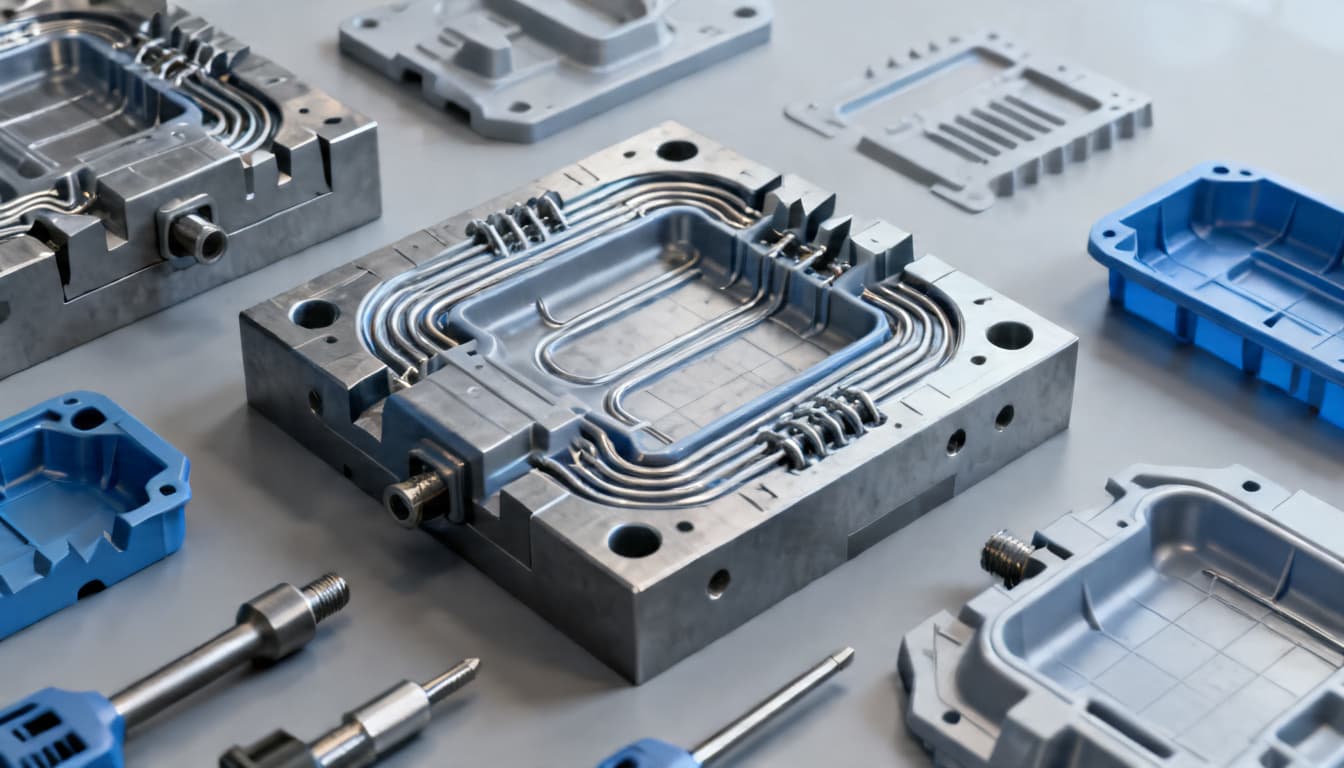
Cooling time often constitutes the largest portion of the cycle. Using conformal cooling channels or optimizing the mold temperature can reduce cooling time. For instance, reducing mold temperature from 60°C to 40°C can cut cooling time by up to 30% for certain materials.
Practical Tip: Implement a preventive maintenance schedule to ensure cooling channels are free from obstructions, which can impede cooling efficiency.
Design Considerations for Faster Cycles
Wall Thickness and Draft Angles
Designing parts with optimal wall thickness (1-3mm) and draft angles (0.5-2°) can facilitate faster ejection and reduce cycle time. Thicker walls increase cooling time, while insufficient draft angles can cause ejection issues.
Gate Design and Location
The design and placement of gates can impact both the fill time and the quality of the molded parts. A well-designed gate can minimize pressure loss and ensure uniform material flow, reducing cycle time and defects.
Step-by-Step Process to Reduce Cycle Time
- Analyze current cycle time and identify the longest phases.
- Evaluate material selection and verify compatibility with reduced cycle times.
- Optimize machine settings, focusing on injection pressure and cooling time.
- Review part design for potential modifications (e.g., wall thickness, draft angles).
- Conduct trials and measure cycle time improvements, adjusting parameters as needed.
Real-World Examples and Lessons Learned
Case Study: Reducing Cycle Time for ABS Parts
In a recent project, we successfully reduced the cycle time of an ABS part from 45 seconds to 35 seconds by optimizing the mold temperature and injection speed. The key was to maintain a balance between reducing cooling time and avoiding defects like warping.
Common Mistakes to Avoid
One frequent mistake is over-reducing the cooling time, leading to incomplete part solidification and defects. Always verify the material-specific cooling requirements before making adjustments.
Conclusion
Reducing injection molding cycle time requires a strategic approach, combining material selection, machine optimization, and thoughtful design. By applying the techniques outlined in this guide, you can achieve significant cycle time reductions while maintaining high-quality standards. For further assistance or to explore our professional services, get a free quote from Panda Molding.