Cycle Time Efficiency: Top Techniques for Minimizing Injection Molding Delays
In the fast-paced world of manufacturing, reducing injection molding cycle time is crucial for meeting production schedules and maintaining cost efficiency. However, achieving optimal cycle times without compromising quality can be challenging. This article delves into proven techniques to minimize
Cycle Time Efficiency: Top Techniques for Minimizing Injection Molding Delays
In the fast-paced world of manufacturing, reducing injection molding cycle time is crucial for meeting production schedules and maintaining cost efficiency. However, achieving optimal cycle times without compromising quality can be challenging. This article delves into proven techniques to minimize delays, ensuring your injection molding process is both efficient and effective.
Understanding Cycle Time Components
Cycle time in injection molding is the total time required to produce a single part, encompassing several stages. Understanding each component is essential for identifying areas for improvement.
Injection Time
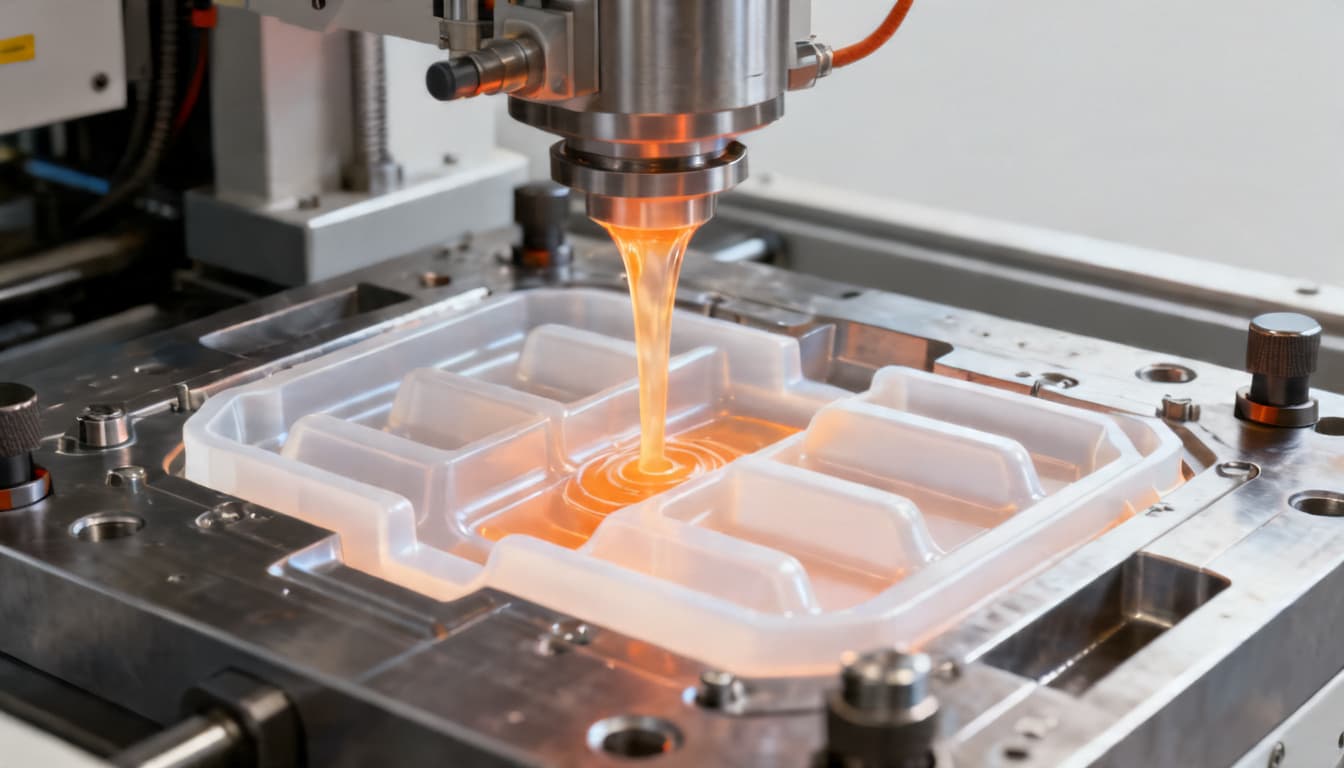
Injection time refers to the duration needed to fill the mold cavity. It is influenced by factors such as melt temperature, injection pressure, and material viscosity. For example, ABS typically requires a melt temperature between 220°C to 260°C and an injection pressure of 60 to 100 MPa.
Cooling Time
Cooling time is often the longest phase in the cycle. It depends heavily on material properties and part design, such as wall thickness and cooling channel efficiency. For instance, a part with a 2mm wall thickness might require a cooling time of 15 to 20 seconds.
Ejection Time
Ejection time is the period required to safely remove the part from the mold. Proper ejection system design, such as using appropriate draft angles (0.5° to 2°), can minimize this time.
Optimizing Material Selection
The choice of material significantly impacts cycle time and overall efficiency. Below is a comparison of common materials used in injection molding:
| Material | Melt Temp (°C) | Cooling Time (s) | Cycle Time (s) |
|---|---|---|---|
| ABS | 220-260 | 15-20 | 30-40 |
| PP | 180-240 | 10-15 | 25-35 |
| PC | 270-320 | 20-30 | 40-50 |
| PA66 | 260-290 | 15-25 | 35-45 |
Enhancing Mold Design
Efficient mold design is critical for reducing cycle time. Consider these design elements to optimize your process:
Cooling Channels
Proper placement and size of cooling channels can significantly reduce cooling time. Utilizing conformal cooling techniques can enhance heat dissipation, leading to faster cycle times.
Wall Thickness
Maintaining uniform wall thickness between 1mm to 3mm helps in achieving consistent cooling and reduces the risk of defects such as warping.
Process Parameter Optimization
Fine-tuning process parameters is key to minimizing cycle time without sacrificing quality.
Injection Speed and Pressure
Balancing injection speed and pressure is crucial. Too high can lead to defects like flash, while too low may result in short shots. Monitoring these parameters closely is essential for achieving optimal cycle times.
Mold Temperature
Maintaining the correct mold temperature is vital for reducing cycle time and ensuring part quality. For example, maintaining a mold temperature of 70°C to 90°C for ABS can help achieve optimal results.
Implementing Automation
Automation can significantly enhance cycle time efficiency by reducing manual intervention and ensuring consistency.
Robotic Part Removal
Using robots for part removal can decrease ejection time and improve overall cycle consistency. This reduces the risk of part damage and increases throughput.
Automated Quality Control
Incorporating automated inspection systems ensures parts meet quality standards without added delays, allowing for quicker cycle times.
Checklist for Reducing Cycle Time
- Analyze and optimize each cycle time component: injection, cooling, and ejection.
- Select materials that balance performance with reduced cycle time.
- Design molds with efficient cooling channels and uniform wall thickness.
- Fine-tune process parameters: injection speed, pressure, and mold temperature.
- Implement automation for part removal and quality control.
Practical Tip: Regularly review and update your cycle time analysis to incorporate new technologies and materials. Continuous improvement is key to maintaining efficiency.
Conclusion
Minimizing cycle time in injection molding is a multifaceted challenge that requires a thorough understanding of materials, process parameters, and mold design. By carefully analyzing each component and implementing strategic improvements, manufacturers can achieve significant efficiency gains. For professional assistance and to explore tailored solutions, get a free quote from Panda Molding.