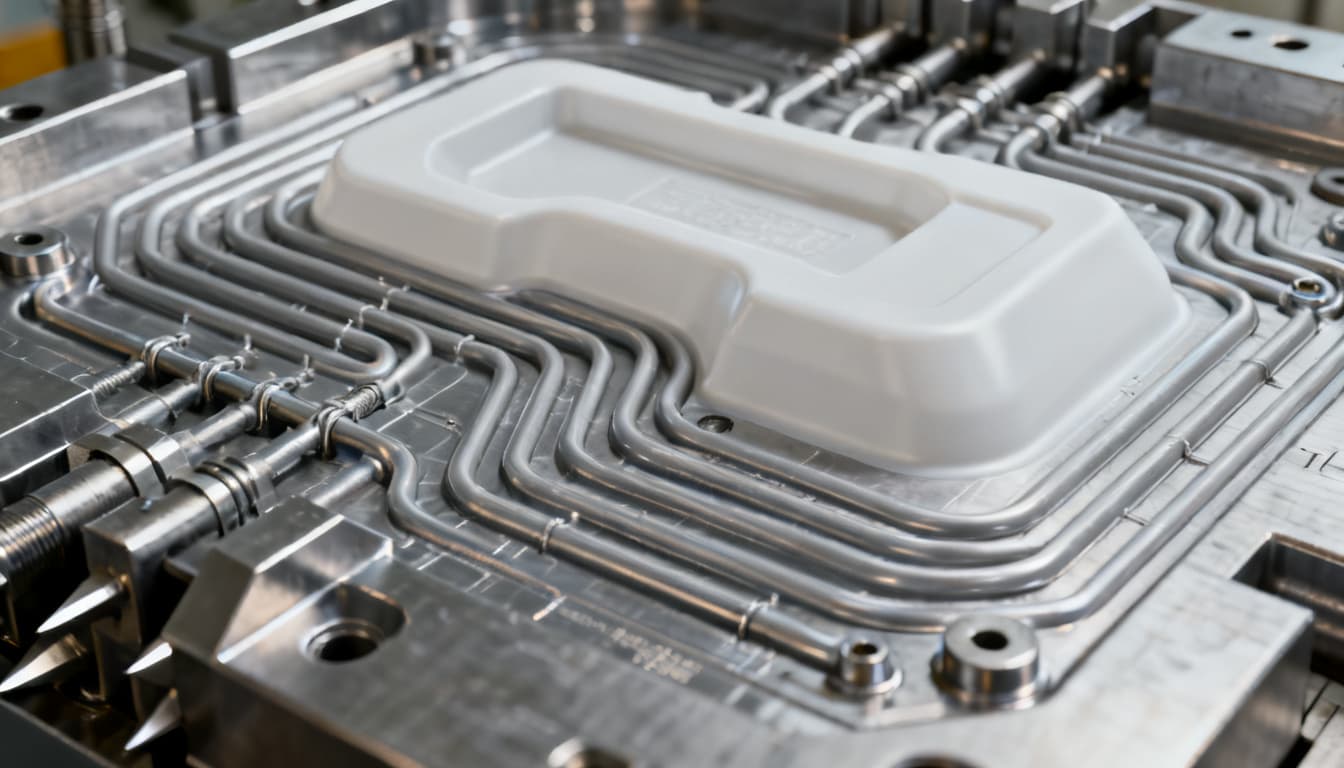
Designing Efficient Cooling Channels in Injection Molds: Tips and Techniques
In the competitive world of injection molding, reducing cycle time without compromising part quality is crucial. Efficient cooling channels are a key factor in achieving this balance. As a senior injection molding engineer, I understand the complexities and nuances involved in designing these channe
Designing Efficient Cooling Channels in Injection Molds: Tips and Techniques
In the competitive world of injection molding, reducing cycle time without compromising part quality is crucial. Efficient cooling channels are a key factor in achieving this balance. As a senior injection molding engineer, I understand the complexities and nuances involved in designing these channels. Let's explore some practical tips and techniques to optimize cooling channel design.
Understanding the Role of Cooling Channels
Why Cooling Channels Matter
Cooling channels are essential for dissipating heat from the mold, directly affecting cycle time, part quality, and production costs. Inadequate cooling can lead to defects such as warping, sink marks, and residual stresses.
Key Parameters in Cooling Design
Effective cooling channel design depends on several parameters, including mold material, coolant type, flow rate, and channel geometry. For instance, maintaining a mold temperature between 20-80°C, depending on the material, is crucial for optimal cooling.
Designing Efficient Cooling Channels
Channel Geometry and Placement
Channel geometry and placement are critical in ensuring uniform cooling. Channels should be placed 1.5 to 2 times the diameter apart to ensure even heat distribution. Typically, a channel diameter of 8-12 mm is used for most applications.
Using Conformal Cooling
Conformal cooling channels, which follow the contour of the mold cavity, offer improved heat transfer efficiency compared to traditional straight-line channels. This technique can reduce cycle times by up to 30%.
Material Considerations
Choosing the Right Mold Material
The choice of mold material impacts cooling efficiency. For example, beryllium copper alloys offer excellent thermal conductivity, reducing cycle time significantly compared to P20 steel.
| Material | Thermal Conductivity (W/m·K) | Cost Index |
|---|---|---|
| Beryllium Copper | 120-150 | 3.0 |
| P20 Steel | 29-33 | 1.0 |
Impact of Plastic Material
Different plastics have varying cooling requirements. For example, ABS requires a mold temperature of 40-60°C, while PA66 needs 80-100°C. Choosing the appropriate cooling strategy for each material is essential.
| Material | Mold Temperature (°C) | Cycle Time (s) |
|---|---|---|
| ABS | 40-60 | 30-60 |
| PA66 | 80-100 | 45-90 |
Optimizing Cooling Efficiency
Flow Rate and Pressure
Maintaining an optimal flow rate and pressure is critical for efficient cooling. Typically, a flow rate of 5-10 liters per minute and a pressure of 1-3 bar is recommended. Insufficient flow can lead to uneven cooling and defects.
Coolant Selection
Using the right coolant is crucial. Water is the most common choice due to its high specific heat capacity. However, in high-temperature applications, oil-based coolants might be more effective.
Common Mistakes and Solutions
Ignoring Channel Maintenance
Regular maintenance of cooling channels is often overlooked, leading to clogging and reduced efficiency. Implementing a maintenance schedule can prevent these issues.
Overlooking Thermal Expansion
Failing to account for thermal expansion can lead to channel deformation and reduced cooling efficiency. Design channels with sufficient clearance to accommodate expansion.
Implementing Best Practices
- Analyze the thermal properties of mold and plastic materials.
- Design channels with optimal geometry and placement.
- Select appropriate coolant and maintain recommended flow rates.
- Use simulation software to predict cooling performance.
- Regularly maintain and clean cooling channels.
Practical Tip: Utilize simulation software like Moldflow or SolidWorks Plastics to model cooling channel performance and identify potential issues before production.
Conclusion
Efficient cooling channel design is a critical component in optimizing injection molding processes. By understanding the key parameters and applying best practices, you can significantly reduce cycle times and improve part quality. For further assistance in designing your molds, get a free quote from Panda Molding's expert team.