Designing Multi-Cavity Molds: Key Considerations for Enhanced Efficiency and Cost-Effectiveness
In the fast-paced world of injection molding, the pressure to increase production efficiency while maintaining cost-effectiveness is ever-present. Designing multi-cavity molds presents an opportunity to achieve these goals, but it requires careful consideration of numerous technical factors. This ar
Designing Multi-Cavity Molds: Key Considerations for Enhanced Efficiency and Cost-Effectiveness
In the fast-paced world of injection molding, the pressure to increase production efficiency while maintaining cost-effectiveness is ever-present. Designing multi-cavity molds presents an opportunity to achieve these goals, but it requires careful consideration of numerous technical factors. This article will delve into the critical aspects of multi-cavity mold design, drawing from over 15 years of industry experience to provide actionable insights.
Understanding the Basics of Multi-Cavity Molds
What Are Multi-Cavity Molds?
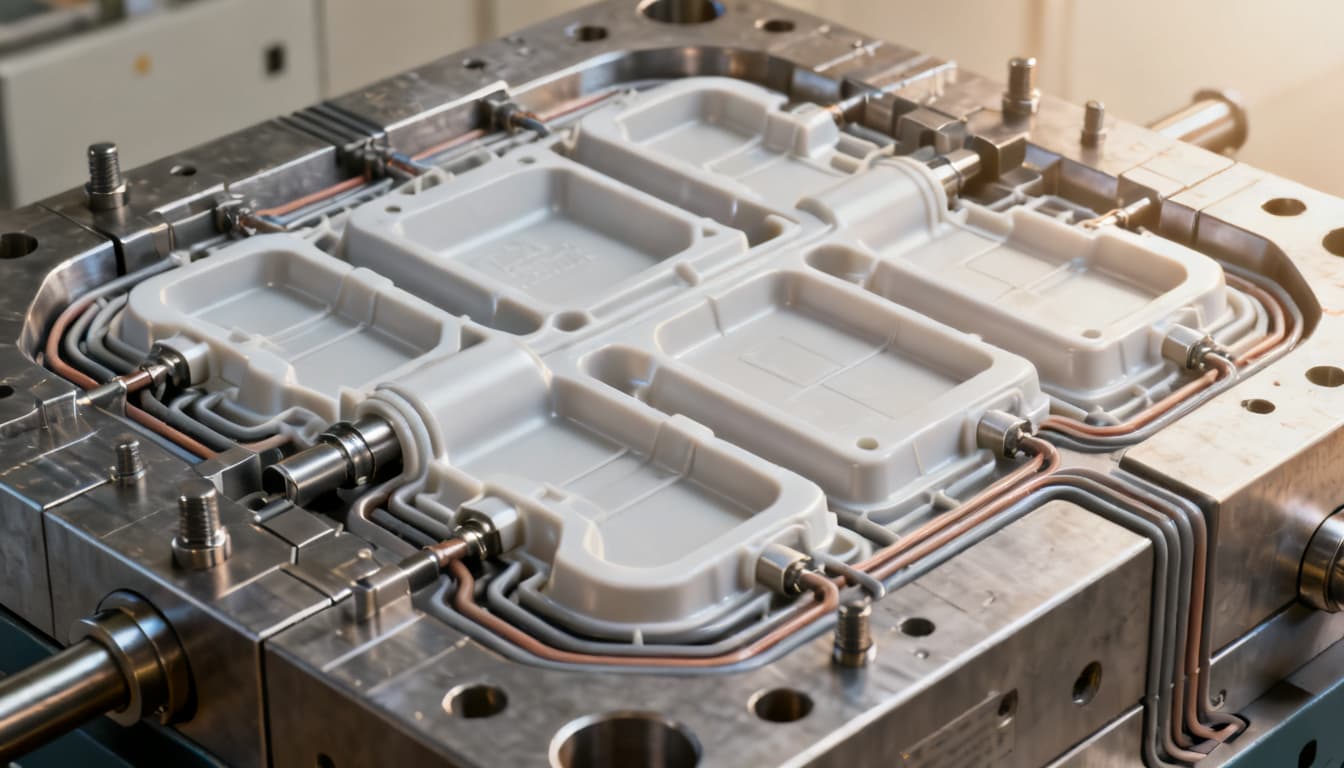
Multi-cavity molds are designed to produce multiple parts in a single injection cycle, significantly increasing production capacity. Unlike single-cavity molds, which produce one part per cycle, multi-cavity molds can have anywhere from two to hundreds of cavities, depending on the complexity and size of the part.
Advantages and Challenges
While multi-cavity molds can drastically improve throughput, they also introduce complexities in mold design and process control. Balancing these advantages with the inherent challenges is crucial for successful implementation.
Key Design Considerations
Cavity Layout and Balancing
The arrangement of cavities in a mold is a critical factor that affects both the quality of the parts and the efficiency of the molding process. Symmetrical layouts are preferred to ensure uniform filling and cooling. Proper balancing ensures that all cavities fill simultaneously, preventing defects such as short shots or overpacking.
Material Selection
The choice of material impacts the mold design and process parameters. For instance, materials like ABS and PC require higher mold temperatures (80-100°C) compared to PP or TPE (20-50°C). The table below compares common materials used in multi-cavity molds:
| Material | Melt Temperature (°C) | Mold Temperature (°C) | Injection Pressure (MPa) |
|---|---|---|---|
| ABS | 220-250 | 80-100 | 60-80 |
| PP | 160-220 | 20-50 | 50-70 |
| PC | 270-320 | 80-100 | 80-100 |
| PA66 | 260-290 | 70-90 | 70-90 |
Gate Design and Placement
Gate location and type are crucial for ensuring uniform flow and minimizing defects. Hot runner systems are often preferred in multi-cavity molds for their ability to maintain consistent temperature and reduce cycle time. However, they require precise control and can increase initial tooling costs.
Process Optimization
Cycle Time Reduction
Reducing cycle time is a primary objective in multi-cavity mold design. This can be achieved by optimizing cooling channels, using conformal cooling, and selecting appropriate materials. For example, cycle times for ABS can range from 30 to 60 seconds, while PP can be as short as 20 to 40 seconds.
Quality Control and Defect Prevention
Ensuring consistent quality across all cavities is a challenge. Common defects include warpage, sink marks, and flash. These can be mitigated by adhering to design rules such as maintaining uniform wall thickness (1-3mm) and applying appropriate draft angles (0.5-2°).
Practical Tip: Regularly monitor and adjust process parameters such as injection pressure and mold temperature to respond to any variations in cavity filling or cooling efficiency.
Cost Considerations
Initial Tooling Costs vs. Long-Term Savings
While the upfront cost of multi-cavity molds is higher due to complexity and additional components, the long-term savings from increased production efficiency can be substantial. Consider the following cost breakdown:
| Cost Factor | Single-Cavity Mold | Multi-Cavity Mold |
|---|---|---|
| Initial Tooling Cost | $10,000 | $30,000 |
| Production Cost per Part | $1.50 | $0.75 |
| Annual Production Volume | 100,000 | 400,000 |
| Annual Savings | - | $150,000 |
Step-by-Step Process for Designing Multi-Cavity Molds
- Define the part requirements and select suitable materials.
- Determine the optimal number of cavities based on production volume and mold size.
- Design the cavity layout and ensure proper balancing for uniform filling.
- Select the appropriate gate type and placement to minimize defects.
- Incorporate efficient cooling channels to reduce cycle time.
- Prototype and test the mold to validate design and process parameters.
Conclusion
Designing multi-cavity molds requires a strategic approach that balances efficiency, cost, and quality. By understanding the key considerations and leveraging industry best practices, manufacturers can enhance their production capabilities and achieve significant cost savings. To explore how multi-cavity molds can benefit your production needs, get a free quote from our experts at Panda Molding.