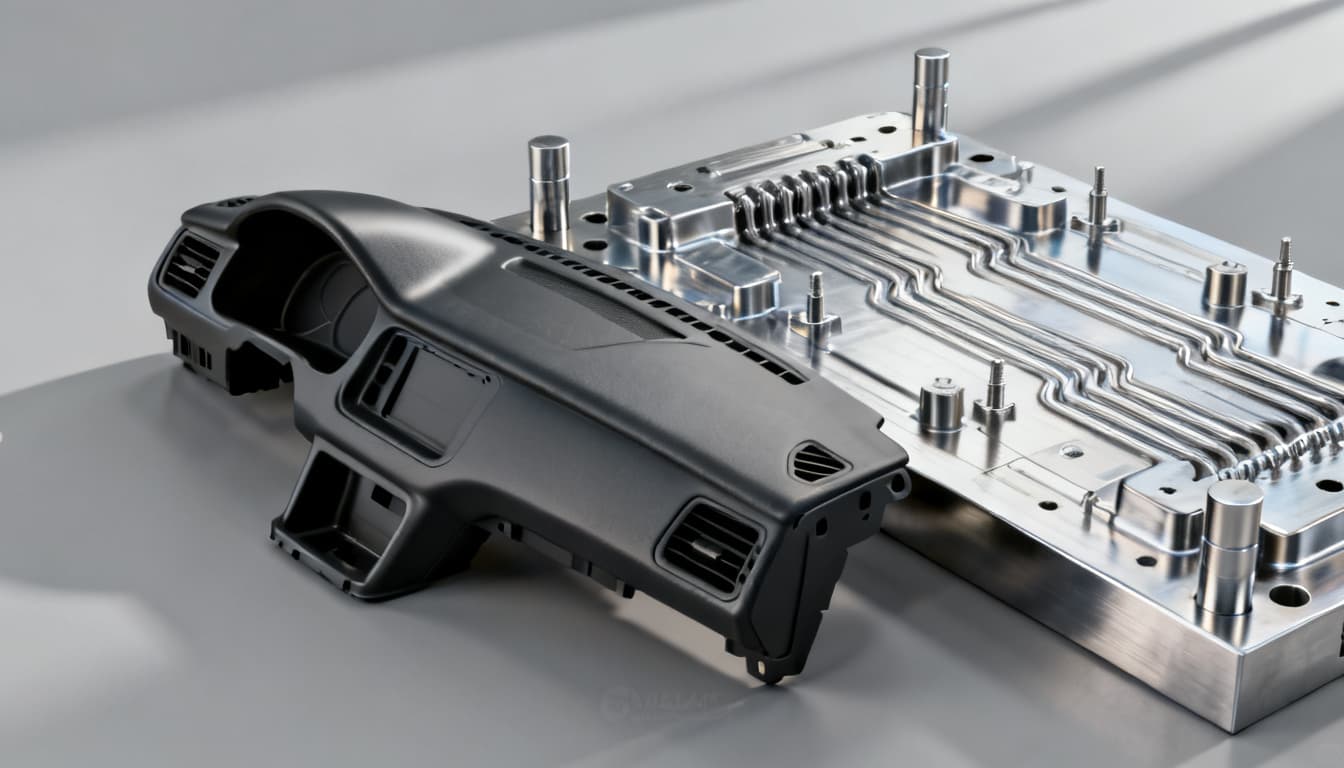
Driving Innovation: The Role of Injection Molding in Automotive Plastic Part Production
As the automotive industry pivots towards increased efficiency and sustainability, the demand for lightweight, high-performance materials has surged. Injection molding stands at the forefront of this transformation, offering precision and versatility in producing automotive plastic parts. Let's delv
Driving Innovation: The Role of Injection Molding in Automotive Plastic Part Production
As the automotive industry pivots towards increased efficiency and sustainability, the demand for lightweight, high-performance materials has surged. Injection molding stands at the forefront of this transformation, offering precision and versatility in producing automotive plastic parts. Let's delve into how this process is shaping the future of automotive manufacturing.
Understanding the Injection Molding Process
Key Parameters and Their Impact
Injection molding involves several critical parameters that influence the quality and performance of the final product. Typical melt temperatures for automotive-grade thermoplastics like Polypropylene (PP) range from 200°C to 240°C, while Polycarbonate (PC) requires 270°C to 320°C. Mold temperatures usually vary between 40°C and 100°C depending on the material, impacting cooling time and surface finish.
Pressure and Cycle Time Considerations
Injection pressure, typically between 800 and 1600 bar, is crucial for filling complex geometries. Cycle times can range from 30 to 90 seconds, depending on part size and complexity. Efficient cycle time management is essential to maintain cost-effectiveness without compromising quality.
| Material | Melt Temperature (°C) | Mold Temperature (°C) | Injection Pressure (bar) |
|---|---|---|---|
| Polypropylene (PP) | 200-240 | 40-60 | 800-1200 |
| Polycarbonate (PC) | 270-320 | 80-100 | 1000-1600 |
Material Selection for Automotive Parts
Comparing Common Thermoplastics
Choosing the right material is pivotal. ABS offers excellent impact resistance and surface finish, suitable for interior components. In contrast, PA66 (Nylon) provides superior strength and thermal stability, ideal for under-the-hood applications.
| Property | ABS | PA66 |
|---|---|---|
| Impact Resistance | High | Moderate |
| Thermal Stability | Moderate | High |
| Cost | Medium | High |
Material Trade-offs
While ABS is cost-effective, its lower thermal resistance limits its use in high-temperature areas. PA66, though more expensive, excels in mechanical performance, making it a preferred choice for structural components.
Design Considerations for Injection Molding
Wall Thickness and Draft Angles
Designing for injection molding requires attention to wall thickness and draft angles. A uniform wall thickness of 1-3mm ensures even cooling and reduces warpage, while draft angles of 0.5-2° facilitate part ejection.
Common Design Pitfalls
A common mistake is neglecting rib-to-wall thickness ratios, which should ideally be less than 60% to prevent sink marks. Proper venting design is also crucial to avoid air traps that can cause surface defects.
Quality Control and Defect Prevention
Identifying and Solving Defects
Common defects such as warping and short shots can be mitigated by optimizing processing parameters. For example, increasing mold temperature can improve flow and reduce short shots, while adjusting cooling rates can minimize warping.
Quality Standards and Testing
Adhering to ISO 9001 and IATF 16949 standards ensures consistent quality. Regular testing, including dimensional analysis and mechanical property testing, validates part performance.
Steps to Implementing Injection Molding for Automotive Parts
- Define part requirements and select appropriate materials.
- Design the mold with proper tolerances and draft angles.
- Set up the injection molding machine with correct parameters.
- Conduct initial trials and adjust settings as necessary.
- Implement quality control measures to ensure part consistency.
Practical Tip: Always conduct a Design for Manufacturability (DFM) analysis before finalizing a design. This step can save significant time and cost by identifying potential manufacturing issues early.
Conclusion
Injection molding continues to drive innovation in automotive plastic part production, offering a blend of precision, efficiency, and versatility. By understanding the nuances of material selection, design considerations, and process optimization, manufacturers can leverage this technology to produce high-quality automotive components. For those looking to explore these benefits further, consider reaching out to experts like Panda Molding for guidance and support. Get a free quote today to see how injection molding can enhance your automotive projects.