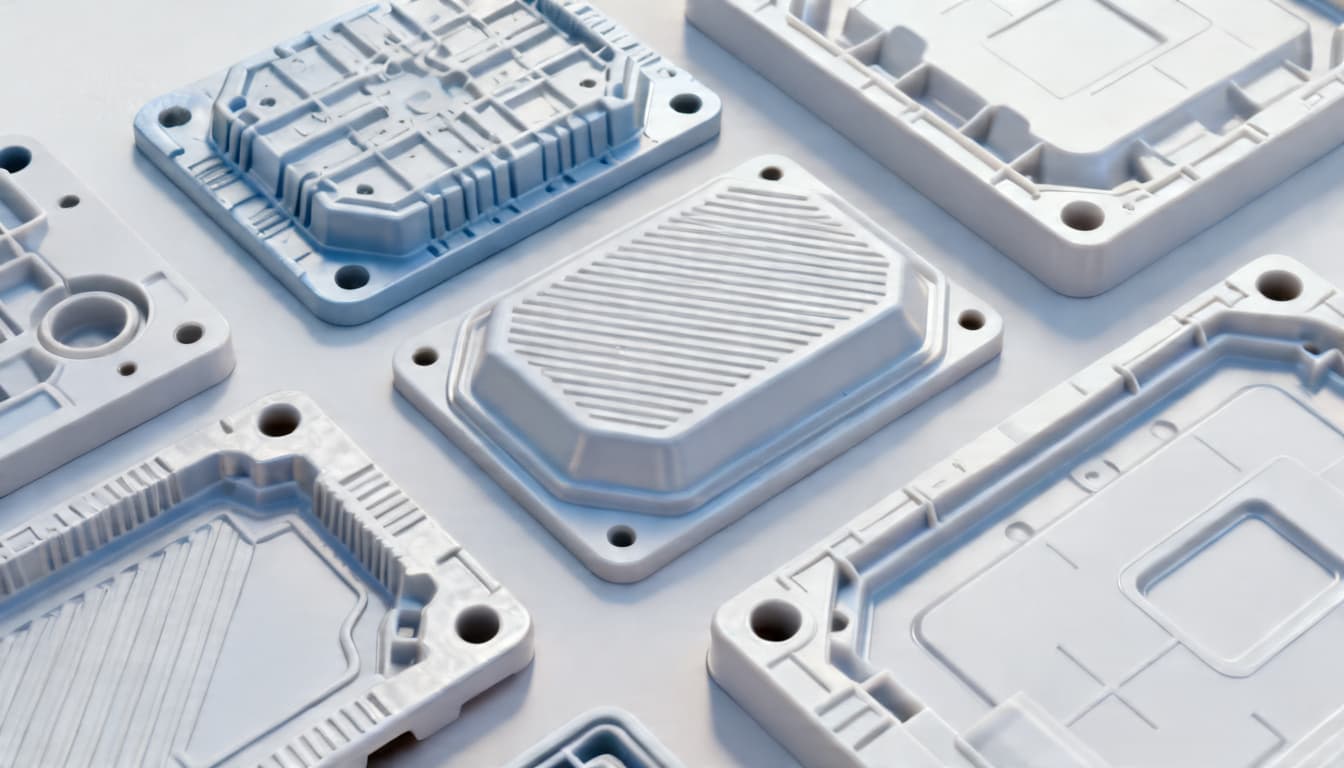
Electronics Injection Molding: Design Tips for Enhancing Performance and Reliability
In the fast-paced world of electronics manufacturing, ensuring the performance and reliability of molded components is crucial. A minor defect can lead to significant failures, impacting both brand reputation and customer satisfaction. This article delves into essential design tips that can enhance
Electronics Injection Molding: Design Tips for Enhancing Performance and Reliability
In the fast-paced world of electronics manufacturing, ensuring the performance and reliability of molded components is crucial. A minor defect can lead to significant failures, impacting both brand reputation and customer satisfaction. This article delves into essential design tips that can enhance the performance and reliability of electronics components molded through injection processes.
Understanding Material Selection
Choosing the right material is a cornerstone of successful electronics injection molding. Different materials offer varying properties that can significantly impact the performance of the final product.
Common Materials and Their Properties
| Material | Thermal Resistance (°C) | Electrical Insulation | Cost per kg ($) |
|---|---|---|---|
| ABS | 80-100 | Good | 2.5 |
| PC | 130-150 | Excellent | 4.0 |
| PA66 | 100-120 | Moderate | 3.8 |
| POM | 100-120 | Poor | 3.2 |
Trade-offs in Material Selection
While PC offers excellent thermal resistance and electrical insulation, its cost is higher compared to ABS. Conversely, ABS provides good electrical insulation at a lower cost but may not withstand high temperatures as effectively. The choice of material should align with the specific requirements of the electronic component in question.
Optimizing Mold Design
Designing the mold with precision is essential to achieving reliable and high-performance components.
Key Design Rules
- Maintain wall thickness between 1-3 mm to prevent warping.
- Incorporate draft angles of 0.5-2° to facilitate easy ejection.
- Ensure uniform wall thickness to avoid sink marks and voids.
Common Mistakes and Solutions
One frequent mistake is inadequate draft angles, leading to ejection issues and increased cycle times. Ensuring proper draft angles not only enhances mold release but also reduces wear on the mold.
Process Parameters for Enhanced Performance
Setting the right process parameters is critical for achieving optimal performance and reliability in injection-molded electronics components.
Essential Process Parameters
| Parameter | Recommended Range | Impact on Quality |
|---|---|---|
| Melt Temperature | 220-260°C | Affects flow and bonding |
| Mold Temperature | 40-80°C | Influences surface finish |
| Injection Pressure | 700-1500 bar | Determines fill and compaction |
| Cycle Time | 30-60 seconds | Impacts productivity and cost |
Balancing Cycle Time and Quality
While reducing cycle time can improve throughput, it should not compromise the quality of the molded component. Monitoring mold temperature and ensuring adequate cooling time are vital to maintaining component integrity.
Defect Prevention and Solutions
Understanding and preventing common defects is crucial for maintaining the reliability of electronics components.
Common Defects and Their Causes
- Warping: Caused by uneven cooling or inconsistent wall thickness.
- Sink Marks: Result from insufficient packing pressure or thick sections.
- Short Shots: Occur due to inadequate injection pressure or low melt temperature.
Solutions and Best Practices
- Ensure uniform wall thickness to prevent warping.
- Increase packing pressure and optimize cooling time to avoid sink marks.
- Adjust injection pressure and melt temperature to eliminate short shots.
Checklist for Reliable Electronics Injection Molding
Here is a step-by-step checklist to ensure the reliability and performance of your injection-molded electronics components:
- Select the appropriate material based on thermal and electrical requirements.
- Design the mold with proper wall thickness and draft angles.
- Set process parameters within recommended ranges for optimal quality.
- Regularly inspect molds for wear and tear to prevent defects.
- Implement quality control measures to monitor and adjust processes as needed.
Practical Tip: Regularly collaborate with material suppliers and mold designers to stay updated on the latest advancements and techniques in injection molding. This proactive approach can lead to improvements in both performance and cost-effectiveness.
Conclusion
Enhancing the performance and reliability of electronics injection molding requires a comprehensive approach that includes careful material selection, precise mold design, and meticulous process control. By understanding the trade-offs and following best practices, manufacturers can produce high-quality components that meet the demanding requirements of the electronics industry. For further assistance or to discuss your specific needs, feel free to get a free quote from Panda Molding.