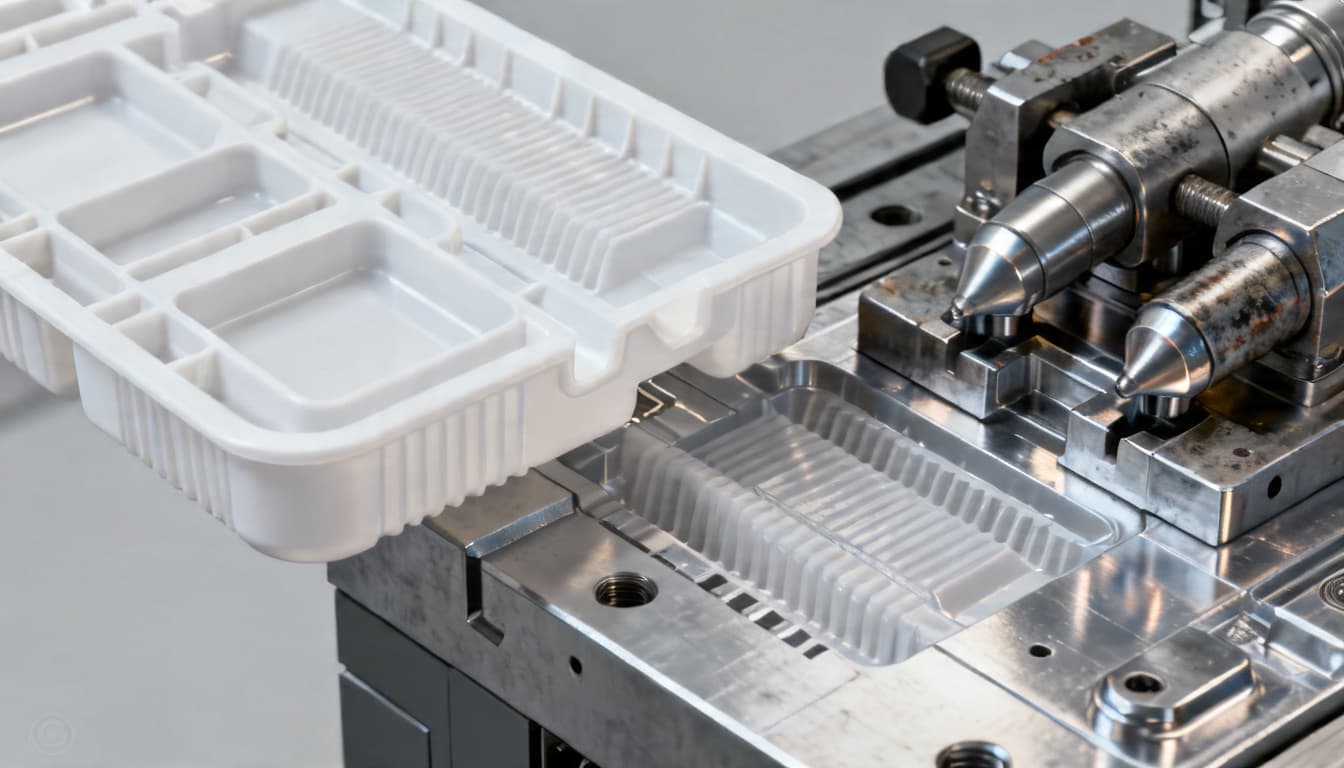
Ensuring Consistency: Essential Quality Control Measures in Injection Molding
In the competitive landscape of injection molding, maintaining consistency in product quality is a critical challenge that can make or break a business. Fluctuations in quality can lead to increased costs, customer dissatisfaction, and ultimately, loss of business. This article explores the essentia
Ensuring Consistency: Essential Quality Control Measures in Injection Molding
In the competitive landscape of injection molding, maintaining consistency in product quality is a critical challenge that can make or break a business. Fluctuations in quality can lead to increased costs, customer dissatisfaction, and ultimately, loss of business. This article explores the essential quality control measures that ensure consistency in injection molding operations, drawing from my 15+ years of experience in the field.
Understanding Key Process Parameters
To achieve consistent quality, it is crucial to understand and control the key process parameters in injection molding. These parameters significantly influence the final product's quality.
Melt Temperature
The melt temperature is a vital parameter that affects the viscosity of the polymer melt. For materials like ABS, the typical melt temperature ranges from 220°C to 260°C. Deviations beyond this range can lead to defects such as flow marks or incomplete filling.
Injection Pressure
Injection pressure, often set between 70 MPa to 140 MPa, is crucial for ensuring the molten plastic fills the mold cavity completely. Insufficient pressure can cause short shots, while excessive pressure may result in flash.
Cycle Time
Cycle time, which includes cooling and mold open/close times, should be optimized for efficiency without compromising quality. Typical cycle times for small parts might range from 10 to 30 seconds.
Material Selection and Compatibility
Choosing the right material for the application is essential in achieving consistent quality. Different materials have unique properties and processing requirements.
| Material | Melt Temperature (°C) | Applications |
|---|---|---|
| ABS | 220-260 | Automotive, Electronics |
| PP | 180-230 | Packaging, Consumer Goods |
| PC | 260-310 | Optical Discs, Safety Glasses |
Implementing Robust Quality Control Systems
Quality control systems are essential for detecting and mitigating defects early in the production process.
Statistical Process Control (SPC)
SPC involves using statistical methods to monitor and control the injection molding process. By analyzing data over time, trends and variations can be identified, allowing for proactive adjustments.
Automated Inspection Systems
Automated inspection systems, equipped with cameras and sensors, can detect defects such as warpage and surface imperfections. These systems provide real-time feedback, enabling quick corrective actions.
Design for Manufacturability (DFM)
Applying DFM principles during the design phase can prevent many quality issues. Considerations include wall thickness, draft angles, and rib design.
Wall Thickness
Uniform wall thickness, ideally between 1-3mm, helps prevent sink marks and warping. Thicker walls may lead to longer cooling times and increased cycle times.
Draft Angles
Incorporating draft angles of 0.5° to 2° facilitates easier part ejection and reduces the risk of surface scratches.
Rib Design
Ribs should be designed with a thickness of no more than 60% of the wall thickness to prevent sink marks and ensure structural integrity.
Common Defects and Their Solutions
Addressing common defects in injection molding through proper quality control measures is essential for consistent output.
Short Shots
Short shots occur when the mold cavity is not completely filled. Solutions include increasing the injection pressure or temperature and ensuring proper venting.
Flash
Flash is excess material that seeps out of the mold cavity. This defect can be minimized by optimizing clamping force and ensuring mold alignment.
Warping
Warping is a distortion that occurs during cooling. It can be mitigated by ensuring uniform cooling rates and maintaining consistent wall thickness.
Step-by-Step Quality Control Checklist
- Define key process parameters (melt temperature, injection pressure, cycle time).
- Select appropriate materials based on application requirements.
- Implement SPC to monitor process stability.
- Utilize automated inspection systems for real-time defect detection.
- Apply DFM principles during the design phase.
- Address common defects with targeted solutions.
Practical Tip: Regularly calibrate your equipment and conduct mold maintenance to prevent deviations in process parameters and ensure consistent product quality.
Conclusion
Achieving consistency in injection molding is a complex task that requires a comprehensive understanding of process parameters, material properties, and quality control systems. By implementing robust quality control measures and adhering to industry standards, manufacturers can ensure high-quality, defect-free products. For more information or to discuss your specific project needs, get a free quote from Panda Molding today.