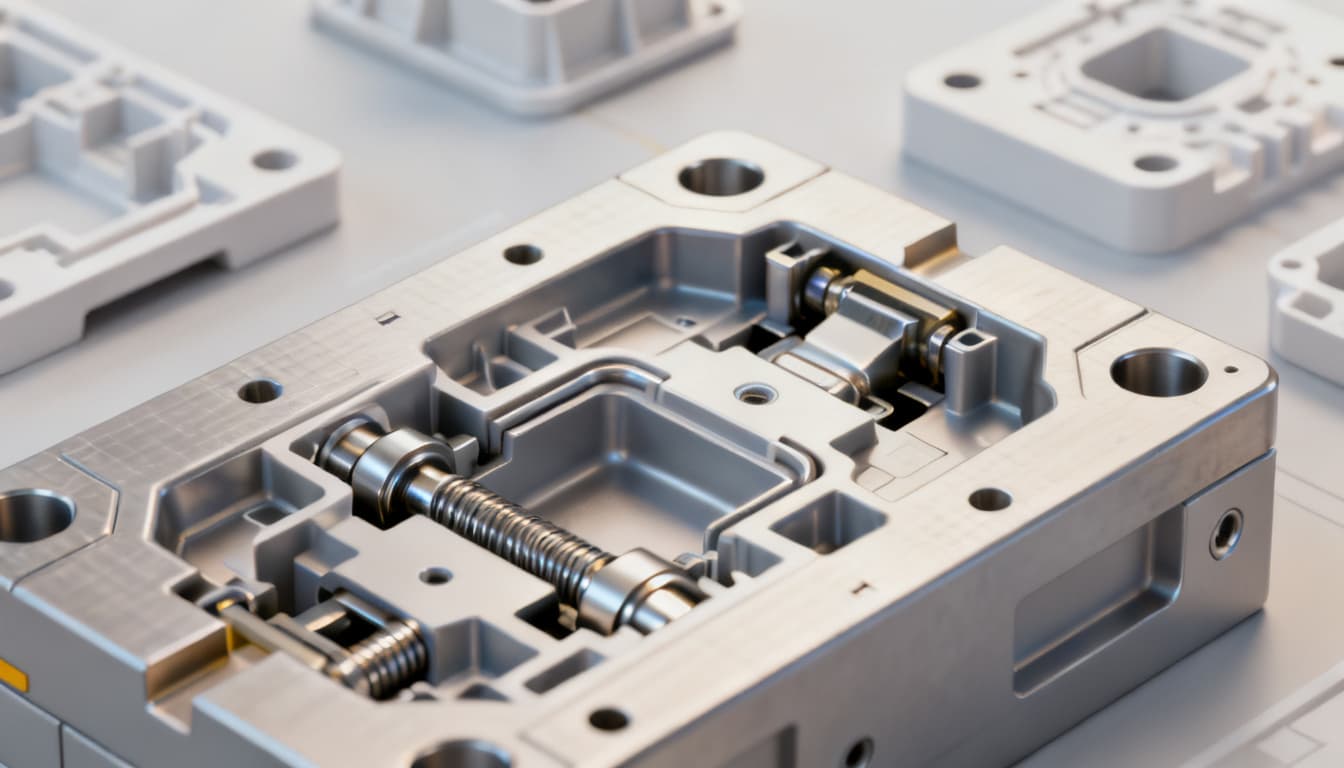
Essential Design Guidelines for Successful Plastic Injection Molding: A Practical Approach
Imagine spending months on a product design only to find out during the first production run that your parts are warping or cracking. This is a common scenario in the world of plastic injection molding, where design oversights can lead to costly delays and rework. In this blog post, we'll explore es
Essential Design Guidelines for Successful Plastic Injection Molding: A Practical Approach
Imagine spending months on a product design only to find out during the first production run that your parts are warping or cracking. This is a common scenario in the world of plastic injection molding, where design oversights can lead to costly delays and rework. In this blog post, we'll explore essential design guidelines to ensure your injection molding project is a success from the get-go.
Understanding Material Selection
Comparing Common Materials
Choosing the right material is crucial for the performance and manufacturability of your part. Below is a comparison of some commonly used materials in injection molding:
| Material | Melt Temperature (°C) | Mold Temperature (°C) | Typical Applications |
|---|---|---|---|
| ABS | 210-250 | 50-70 | Consumer electronics, automotive parts |
| PP | 200-250 | 10-50 | Packaging, household goods |
| PC | 270-320 | 80-120 | Optical discs, safety helmets |
| PA66 | 260-290 | 80-120 | Gears, bearings |
| POM | 190-230 | 80-100 | Precision parts, mechanical gears |
Material Selection Tips
- Consider the end-use environment: Temperature resistance, chemical exposure, and mechanical stress should guide your choice.
- Balance cost and performance: High-performance materials like PC may offer superior properties but at a higher cost.
- Consult with suppliers: Leverage their expertise to understand trade-offs and availability.
Designing for Manufacturability
Wall Thickness Guidelines
Uniform wall thickness is key to avoiding defects such as warping and sink marks. Aim for a wall thickness between 1-3mm, depending on the material and application. Thicker walls can lead to longer cycle times and increased material costs.
Incorporating Draft Angles
Draft angles facilitate the release of the part from the mold. A typical draft angle ranges from 0.5° to 2°. Insufficient draft can cause ejection issues, leading to surface defects or even damage to the part.
Practical Tip: Always validate draft angles using simulation software to ensure part integrity during ejection.
Optimizing Injection Molding Parameters
Injection Pressure and Speed
Injection pressure and speed significantly impact the quality and cycle time of molded parts. Too high pressure can cause flashing, while too low pressure might result in short shots. Typical injection pressures range from 500 to 2000 bar, depending on the material and part complexity.
Cycle Time Considerations
Cycle time is a critical factor in production efficiency. It includes the injection, cooling, and ejection phases. Aim for a balanced cycle time that minimizes cooling without compromising part quality. For instance, ABS parts might have a cycle time of 30-60 seconds.
Addressing Common Defects
Warping
Warping occurs when there is uneven cooling or shrinkage. To mitigate this, ensure uniform wall thickness and optimize cooling times. Additionally, consider using materials with low shrinkage rates, such as POM.
Sink Marks
Sink marks are depressions on the surface of the part, often due to thick sections. Reduce the risk by maintaining consistent wall thickness and adjusting packing pressure and time.
Step-by-Step Design Checklist
- Select the appropriate material based on end-use requirements.
- Ensure uniform wall thickness to prevent defects.
- Incorporate adequate draft angles for easy ejection.
- Optimize injection parameters for quality and efficiency.
- Conduct a design review with a focus on potential defects.
Conclusion
By adhering to these essential design guidelines, you can significantly improve the manufacturability and quality of your injection-molded parts. Material selection, design for manufacturability, and optimized process parameters are the cornerstones of successful injection molding. For expert guidance and a free quote, contact Panda Molding today.
Remember, investing time in the design phase can save both time and resources in production, leading to a smoother and more cost-effective manufacturing process.