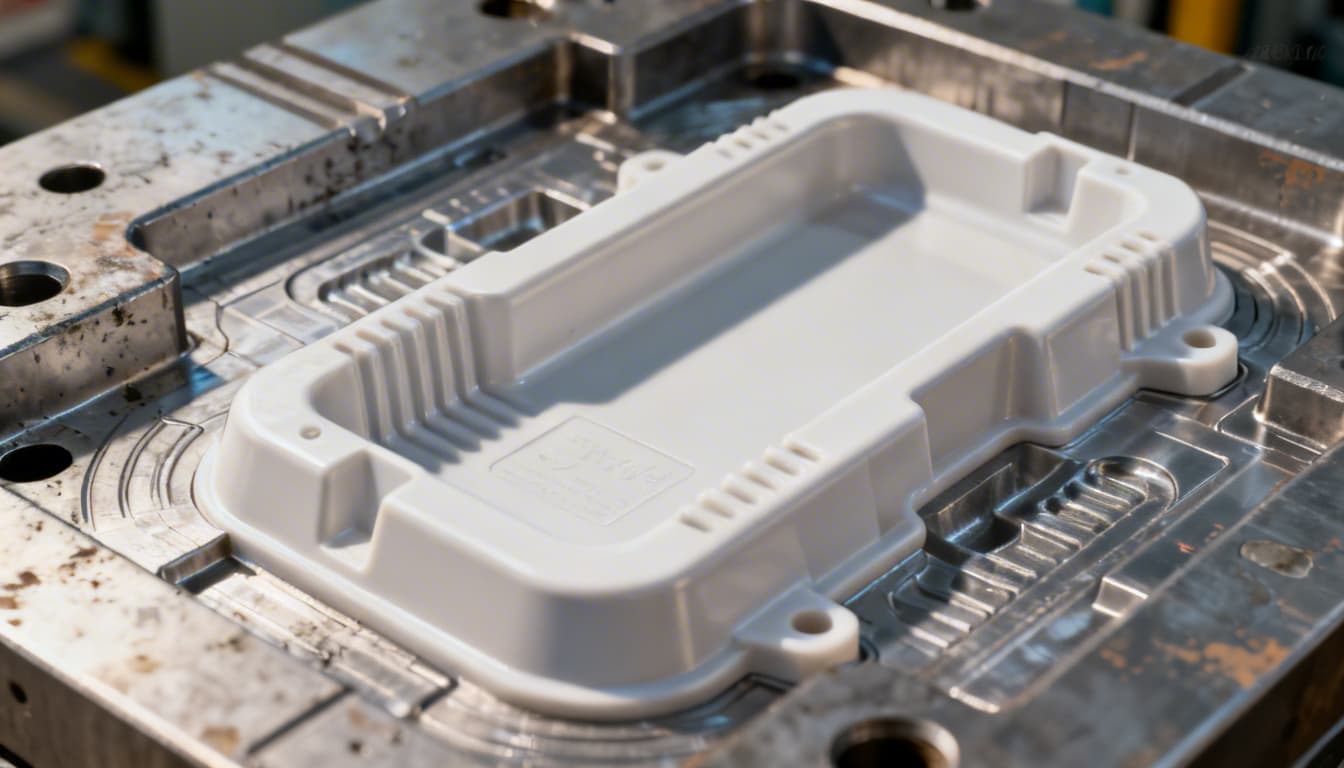
Essential Fixes and Solutions for Plastic Injection Molding Defects: Boosting Production Quality
Injection molding defects can lead to significant setbacks in production, affecting both quality and profitability. Understanding the root causes and implementing effective solutions is crucial for any manufacturer aiming to enhance their production quality. Let's delve into some common defects and
Essential Fixes and Solutions for Plastic Injection Molding Defects: Boosting Production Quality
Injection molding defects can lead to significant setbacks in production, affecting both quality and profitability. Understanding the root causes and implementing effective solutions is crucial for any manufacturer aiming to enhance their production quality. Let's delve into some common defects and explore practical solutions backed by industry standards and real-world experience.
Understanding and Solving Warpage Issues
Causes of Warpage
Warpage occurs when different sections of a molded part cool at different rates, leading to uneven shrinkage. This can be exacerbated by improper mold design, material selection, or processing conditions.
Solutions for Warpage
- Material Selection: Choose materials with low shrinkage rates such as ABS or PC. For example, ABS typically has a shrinkage rate of 0.4-0.7%, whereas PP can be as high as 1.5-2.5%.
- Mold Design: Ensure uniform wall thickness (ideally between 1-3mm) and appropriate draft angles (0.5-2°) to minimize stress.
- Processing Conditions: Optimize mold temperature and cooling time. For instance, maintaining a mold temperature of 60-80°C for ABS can reduce warpage.
Addressing Sink Marks
Causes of Sink Marks
Sink marks are depressions on the surface of a molded part, typically occurring in thicker sections. They result from insufficient packing pressure or cooling time.
Solutions for Sink Marks
- Increase Packing Pressure: Use higher packing pressure to ensure material fills the cavity completely. A typical range is 70-100 MPa.
- Optimize Cooling Time: Extend cooling time to allow for uniform solidification. For example, a cooling time of 15-30 seconds may be necessary depending on the material and part thickness.
- Design Considerations: Incorporate ribs or gussets to reduce the need for thick sections and improve structural integrity.
Eliminating Flash
Causes of Flash
Flash occurs when excess material escapes from the mold cavity, often due to high injection pressure or poor mold alignment.
Solutions for Flash
- Reduce Injection Pressure: Lower injection pressure to prevent material from leaking out. A range of 50-80 MPa can be effective.
- Ensure Mold Alignment: Regularly inspect and maintain mold alignment to ensure a proper seal during injection.
- Material Selection: Use materials with lower flow rates to reduce the risk of flash. For instance, POM has a lower flow rate compared to TPE.
Preventing Short Shots
Causes of Short Shots
Short shots occur when the mold cavity is not completely filled, often due to insufficient injection pressure or inadequate material flow.
Solutions for Short Shots
- Increase Injection Pressure: Boosting injection pressure can help fill the mold cavity completely. Aim for pressures between 80-120 MPa.
- Adjust Melt Temperature: Ensure the melt temperature is within the optimal range for the material used. For instance, PA66 typically requires a melt temperature of 260-290°C.
- Check Material Flow: Use materials with higher flow rates to improve filling, such as PP or TPE.
Optimizing Cycle Time for Quality and Efficiency
Balancing Quality and Speed
Cycle time optimization is crucial for balancing quality and production efficiency. A typical cycle time ranges from 10 to 60 seconds, depending on the part size and complexity.
Steps to Optimize Cycle Time
- Analyze the current cycle time and identify bottlenecks.
- Adjust cooling time to ensure complete solidification without unnecessary delays.
- Fine-tune injection speed and pressure to minimize defects.
- Regularly maintain and calibrate equipment to ensure consistent performance.
Practical Tip: Implement a preventive maintenance schedule to reduce unexpected downtime and maintain optimal cycle times. Regularly check for wear and tear in molds and machinery to ensure consistent quality.
Material Comparison for Common Defects
| Material | Shrinkage Rate (%) | Typical Defects | Recommended Solutions |
|---|---|---|---|
| ABS | 0.4-0.7 | Warpage, Sink Marks | Uniform wall thickness, Increase packing pressure |
| PP | 1.5-2.5 | Short Shots, Flash | Optimize melt temperature, Reduce injection pressure |
| PC | 0.5-0.7 | Warpage, Short Shots | Maintain mold temperature, Increase injection pressure |
Conclusion
Tackling injection molding defects requires a comprehensive understanding of both materials and processes. By addressing common issues such as warpage, sink marks, flash, and short shots, manufacturers can significantly enhance production quality and efficiency. For personalized advice and solutions tailored to your specific needs, get a free quote from our experts at Panda Molding.