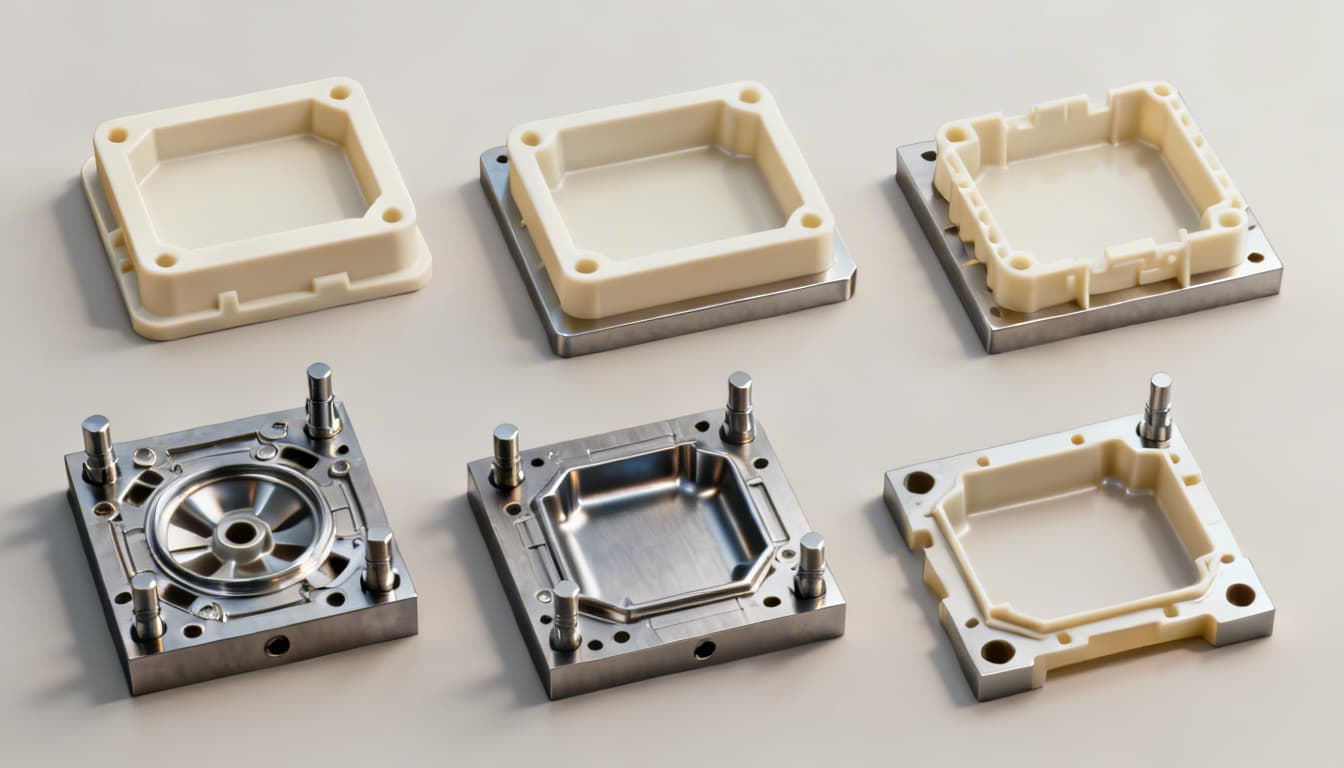
Five Proven Methods to Reduce Injection Molding Cycle Time Without Sacrificing Quality
In the competitive field of injection molding, manufacturers constantly seek ways to optimize production efficiency without compromising the quality of the final product. Reducing cycle time is a key strategy in achieving this balance. Here, we delve into five proven methods to achieve faster cycle
Five Proven Methods to Reduce Injection Molding Cycle Time Without Sacrificing Quality
In the competitive field of injection molding, manufacturers constantly seek ways to optimize production efficiency without compromising the quality of the final product. Reducing cycle time is a key strategy in achieving this balance. Here, we delve into five proven methods to achieve faster cycle times while maintaining product integrity, drawing from over 15 years of industry expertise.
Optimize Mold Temperature
Controlling mold temperature is crucial for reducing cycle time and ensuring product quality. Maintaining the optimal temperature can reduce cooling time, which often constitutes the largest portion of the cycle.
Importance of Mold Temperature Control
Mold temperature affects the cooling rate of the molten plastic. For example, a higher mold temperature can lead to better surface finish and dimensional accuracy but may increase cycle time. Conversely, a lower mold temperature can reduce cycle time but may compromise part quality.
| Material | Optimal Mold Temperature (°C) | Impact on Cycle Time |
|---|---|---|
| ABS | 60-80 | Moderate |
| PP | 30-50 | High |
| PC | 80-120 | Moderate |
Tools for Temperature Regulation
Implementing advanced temperature control units (TCUs) helps maintain consistent mold temperatures. This can prevent defects such as warping and sink marks while optimizing cycle time.
Improve Cooling Channel Design
The design of cooling channels significantly impacts the cooling phase of the cycle. Enhanced cooling channel designs can lead to substantial reductions in cycle time.
Conformal Cooling
Conformal cooling channels, which follow the contour of the mold cavity, provide more uniform cooling compared to traditional straight-line channels. This technology can reduce cooling times by up to 30%.
Simulation and Analysis
Using software tools to simulate and analyze cooling efficiency before mold fabrication can identify potential improvements. This proactive approach helps in optimizing the cooling cycle.
Optimize Injection Parameters
Fine-tuning injection parameters such as pressure, speed, and temperature can lead to faster cycle times and improved part quality.
Injection Pressure and Speed
Adjusting injection pressure and speed can minimize the time the material spends in the injection phase. However, excessive pressure may lead to defects like flash, while too low pressure can cause short shots.
| Material | Injection Pressure (bar) | Injection Speed (mm/s) |
|---|---|---|
| PA66 | 600-1000 | 200-300 |
| POM | 500-900 | 150-250 |
| TPE | 400-800 | 100-200 |
Melt Temperature
Ensuring the correct melt temperature is essential for optimal flow and cycle time reduction. For instance, ABS typically requires a melt temperature of 210-250°C.
Utilize Advanced Materials
Choosing the right material can significantly impact cycle time. Some materials naturally cool faster or fill the mold more efficiently.
Material Selection
Materials like PP and PE often have shorter cycle times due to their lower melting temperatures and faster cooling rates. Consider these materials where appropriate without compromising on product requirements.
Material Additives
Incorporating additives can enhance flow properties and reduce cooling times. For example, nucleating agents can accelerate crystallization in semi-crystalline polymers.
Implement Process Automation
Automation can streamline various aspects of the injection molding process, from material handling to part removal, reducing cycle time.
Robotic Part Removal
Using robots for part removal can decrease the time between cycles, reducing overall cycle time by up to 20%.
Automated Quality Control
Integrating automated quality control systems can quickly identify defects, minimizing downtime and ensuring consistent quality.
Practical Tip: Regularly maintain and calibrate your injection molding machines and auxiliary equipment to ensure they operate at peak efficiency. This not only reduces cycle times but also extends the lifespan of your equipment.
Step-by-Step Process to Optimize Cycle Time
- Analyze current cycle times and identify the longest phases.
- Evaluate mold temperature and cooling channel design for potential improvements.
- Adjust injection parameters based on material specifications and simulation results.
- Consider material changes or additives to enhance flow and cooling.
- Incorporate automation where feasible to streamline production processes.
Conclusion
Reducing cycle time in injection molding is a multifaceted challenge that requires a strategic approach. By optimizing mold temperature, enhancing cooling design, fine-tuning injection parameters, selecting advanced materials, and implementing automation, manufacturers can achieve faster production rates without sacrificing quality. For expert guidance and a free quote on your injection molding needs, trust Panda Molding's extensive experience and comprehensive services.