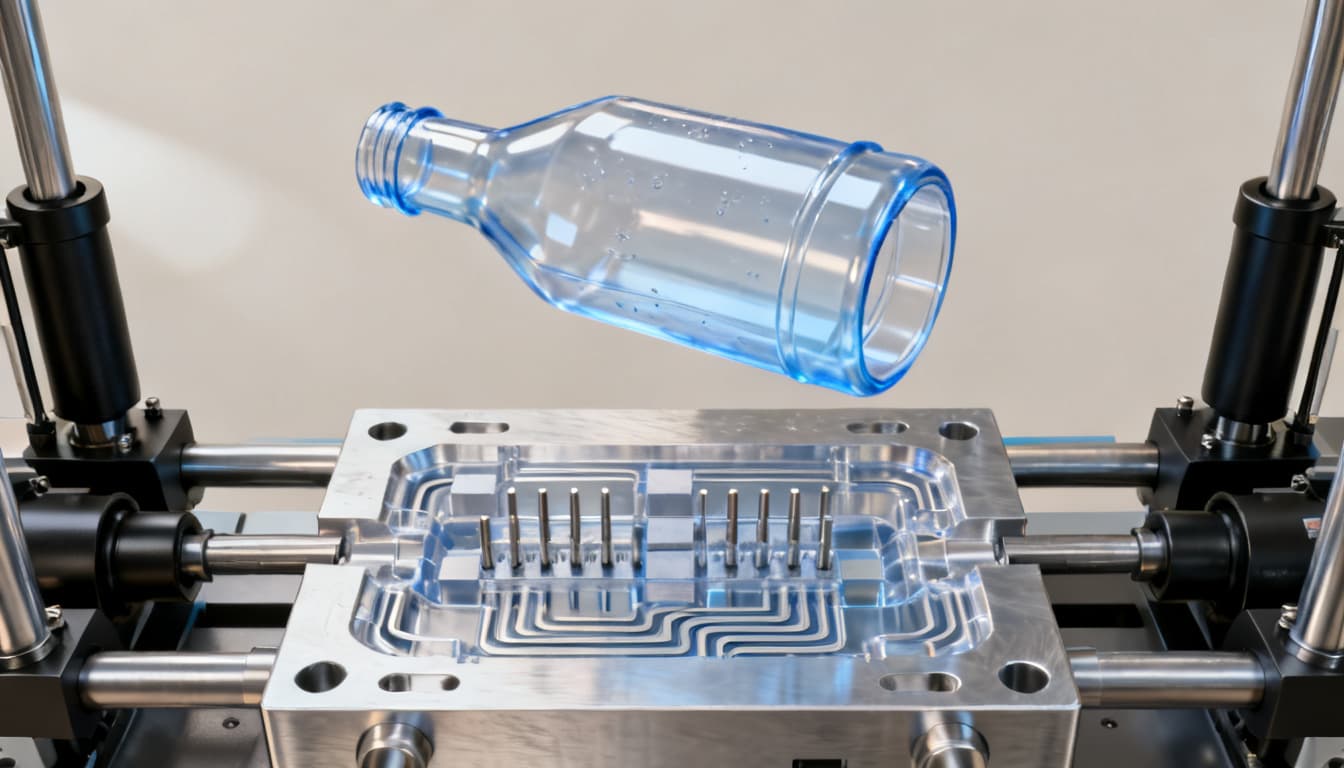
Injection Blow Molding Techniques: Troubleshooting Common Issues for Flawless Hollow Parts
Creating high-quality hollow parts through injection blow molding is a nuanced process that demands precision and expertise. Despite advancements in technology, manufacturers often encounter persistent issues that can compromise product integrity. Understanding these challenges and implementing effe
Injection Blow Molding Techniques: Troubleshooting Common Issues for Flawless Hollow Parts
Creating high-quality hollow parts through injection blow molding is a nuanced process that demands precision and expertise. Despite advancements in technology, manufacturers often encounter persistent issues that can compromise product integrity. Understanding these challenges and implementing effective solutions is crucial for producing flawless parts.
Understanding Injection Blow Molding Parameters
Injection blow molding (IBM) combines the precision of injection molding with the efficiency of blow molding to produce hollow parts. Key parameters such as melt temperature, mold temperature, and injection pressure play a pivotal role in determining the quality of the final product.
Melt Temperature
The melt temperature must be carefully controlled to ensure proper material flow and minimize defects. For example, Polypropylene (PP) typically requires a melt temperature between 220°C and 250°C, while Polycarbonate (PC) demands higher temperatures, ranging from 260°C to 310°C.
Mold Temperature
Mold temperature impacts part cooling and cycle time. For materials like ABS, maintaining a mold temperature between 50°C and 80°C is recommended to achieve optimal surface finish and dimensional stability.
Injection Pressure
Proper injection pressure ensures complete cavity filling and minimizes defects such as short shots. Typical injection pressures range from 70 MPa to 140 MPa, depending on the material and part geometry.
Common Defects and Their Solutions
Despite meticulous parameter control, defects can still occur. Identifying the root causes and implementing targeted solutions is essential for maintaining product quality.
Flash
Flash is excess material that seeps out of the mold cavity, often caused by excessive injection pressure or improper mold clamping.
- Solution: Reduce injection pressure and ensure the mold is properly clamped with uniform force distribution.
Short Shots
Short shots occur when the material does not completely fill the mold cavity, often due to insufficient injection pressure or low melt temperature.
- Solution: Increase injection pressure and adjust melt temperature to improve material flow.
Sink Marks
Sink marks are depressions on the part surface, typically caused by uneven cooling or excessive wall thickness.
- Solution: Optimize cooling times and ensure uniform wall thickness across the part design.
Material Selection and Compatibility
Choosing the right material is critical for achieving desired mechanical properties and surface finish. Each material has unique processing requirements and compatibility considerations.
| Material | Melt Temperature (°C) | Mold Temperature (°C) | Applications |
|---|---|---|---|
| ABS | 220-250 | 50-80 | Automotive, consumer goods |
| PP | 220-250 | 10-50 | Packaging, medical devices |
| PC | 260-310 | 80-120 | Electronics, safety equipment |
Design Considerations for Flawless Parts
Designing for manufacturability is crucial in injection blow molding. Adhering to industry standards and guidelines helps prevent defects and ensures consistent quality.
Wall Thickness
Maintaining a uniform wall thickness between 1mm and 3mm minimizes the risk of sink marks and warping. Avoid abrupt thickness changes to ensure smooth material flow.
Draft Angles
Incorporating draft angles of 0.5° to 2° facilitates easy part ejection and reduces the risk of surface defects.
Cycle Time Optimization
Reducing cycle time without compromising quality is a common goal in injection blow molding. Efficient cycle time management enhances productivity and reduces costs.
Cooling Time
Cooling time accounts for a significant portion of the cycle time. Optimizing mold cooling systems and using materials with higher thermal conductivity can reduce cooling time.
Cycle Time Breakdown
| Phase | Time (seconds) |
|---|---|
| Injection | 5-10 |
| Cooling | 15-30 |
| Ejection | 2-5 |
Step-by-Step Troubleshooting Process
Addressing defects requires a systematic approach. Follow these steps to troubleshoot and resolve common issues:
- Identify the defect type and location on the part.
- Review process parameters and compare them against recommended values.
- Inspect the mold for wear, damage, or improper alignment.
- Adjust parameters incrementally, starting with injection pressure and melt temperature.
- Conduct trial runs and evaluate changes in defect occurrence.
- Document findings and update process guidelines for future reference.
Practical Tip: Regularly calibrate and maintain equipment to prevent deviations in process parameters and ensure consistent quality.
Conclusion
Mastering injection blow molding requires a deep understanding of process parameters, material properties, and design principles. By addressing common defects through targeted troubleshooting and adhering to industry standards, manufacturers can produce flawless hollow parts with precision and efficiency. For expert assistance and to get a free quote, contact Panda Molding today.