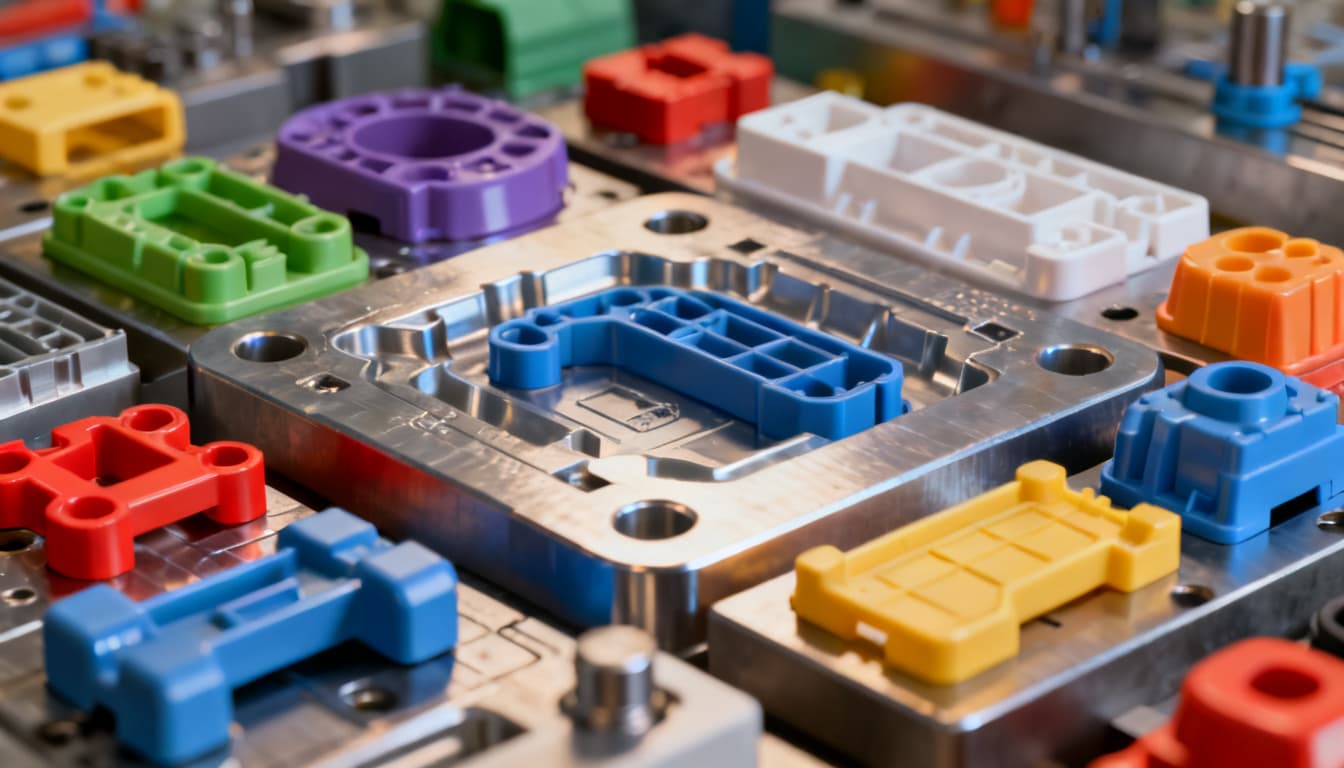
Injection Molded Plastic Toy Parts Suppliers
In the competitive landscape of toy manufacturing, selecting the right supplier for injection molded plastic parts is crucial. Many manufacturers face challenges such as inconsistent quality, delayed deliveries, and unsuitable materials for their toy parts. Understanding the intricacies of injection
Finding the Right Injection Molded Plastic Toy Parts Suppliers
In the competitive landscape of toy manufacturing, selecting the right supplier for injection molded plastic parts is crucial. Many manufacturers face challenges such as inconsistent quality, delayed deliveries, and unsuitable materials for their toy parts. Understanding the intricacies of injection molding can help you make informed decisions and avoid costly pitfalls.
Understanding Basic Injection Molding Parameters
Melt Temperature
The melt temperature is critical for ensuring the plastic flows correctly into the mold cavities. For instance, common materials like ABS require a melt temperature range of 200-250°C, while Polypropylene (PP) typically needs 180-240°C. Using the correct melt temperature prevents defects such as short shots and ensures consistent part quality.
Mold Temperature
Mold temperature impacts the cooling rate and surface finish of the toy parts. ABS parts benefit from a mold temperature of 50-80°C, whereas PP parts often require 20-50°C. Maintaining optimal mold temperatures reduces cycle times and improves dimensional stability.
Injection Pressure
Injection pressure determines the force needed to fill the mold cavity. ABS generally requires 60-100 MPa, while PP may need 50-80 MPa. Monitoring injection pressure helps avoid issues like flash or incomplete filling.
Cycle Time
Cycle time is the total time taken to produce one part, including injection, cooling, and ejection. Efficient cycle times are crucial for productivity. ABS parts typically have a cycle time of 30-60 seconds, while PP parts can range from 20-40 seconds.
Material Selection for Toy Parts
Material Comparison
| Material | Properties | Typical Applications |
|---|---|---|
| ABS | High impact resistance, good surface finish | Action figures, building blocks |
| PP | Good chemical resistance, lightweight | Outdoor toys, containers |
| PC | High strength, transparency | Transparent parts, high-strength components |
Choosing the Right Material
Selecting the appropriate material is essential for meeting safety standards and functional requirements. For instance, Polycarbonate (PC) is ideal for transparent components but may be overkill for simple toys where PP can suffice. Always consider material properties in relation to the end-use of the toy parts.
Design Considerations for Injection Molded Toy Parts
Wall Thickness
Maintaining uniform wall thickness is crucial to prevent warping and ensure structural integrity. A typical range is 1-3mm, with thicker walls potentially leading to sink marks and thinner walls risking incomplete fills.
Draft Angles
Draft angles facilitate the ejection of the part from the mold. A draft angle of 0.5-2° is recommended to prevent surface damage and ensure smooth ejection.
Common Design Mistakes
One common mistake is ignoring the need for ribbing in larger parts, which can lead to warping. Another is inadequate gate sizing, which can cause incomplete filling. Always incorporate design rules to mitigate these risks.
Quality Control in Injection Molding
Defect Analysis
Identifying defects early in the process can save time and resources. Common defects include warping, sink marks, and flash. Warping can often be minimized by adjusting mold temperatures and cycle times, while sink marks may require changes in material or design.
Quality Assurance Practices
- Implement regular inspections at each stage of production.
- Use statistical process control (SPC) to monitor process stability.
- Conduct material testing to ensure compliance with safety standards.
- Engage in continuous improvement practices to optimize process parameters.
Cost Considerations and Supplier Selection
Cost Breakdown
| Cost Component | Percentage of Total Cost |
|---|---|
| Material | 30% |
| Tooling | 25% |
| Labor | 20% |
| Overhead | 15% |
| Quality Control | 10% |
Choosing a Supplier
When selecting a supplier, consider their expertise in toy parts, compliance with industry standards, and ability to deliver on time. It’s important to evaluate their quality control practices and material sourcing policies. For a reliable supplier, get a free quote from Panda Molding.
Practical Tip: Always request sample parts from potential suppliers to assess quality and compatibility with your design specifications.
Conclusion
Choosing the right supplier for injection molded toy parts requires a thorough understanding of the injection molding process, material properties, and design considerations. By focusing on these critical factors, you can ensure the production of high-quality, safe, and cost-effective toy parts. Remember that the key to success lies in balancing technical requirements with practical constraints and maintaining open communication with your supplier.