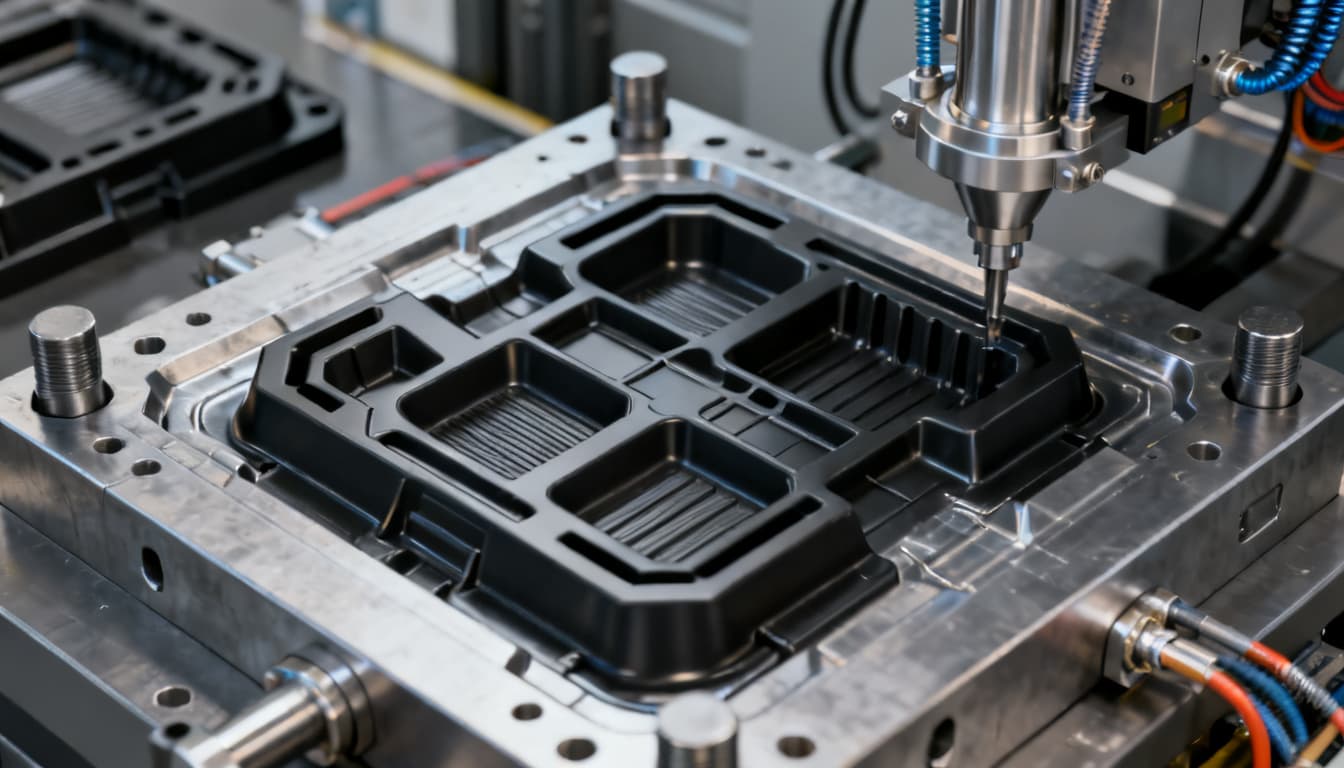
Injection Molding Manufacturing: A Step-by-Step Guide to Streamlining Your Production Process
The injection molding industry is no stranger to the challenges of maintaining efficiency while ensuring high product quality. As an experienced engineer, I have seen how small adjustments can lead to significant gains in productivity and cost savings. This guide will walk you through optimizing you
Injection Molding Manufacturing: A Step-by-Step Guide to Streamlining Your Production Process
The injection molding industry is no stranger to the challenges of maintaining efficiency while ensuring high product quality. As an experienced engineer, I have seen how small adjustments can lead to significant gains in productivity and cost savings. This guide will walk you through optimizing your injection molding process with practical insights and technical expertise.
Understanding Injection Molding Parameters
To streamline your injection molding process, it's essential to understand the key parameters that influence product quality and cycle time. These include melt temperature, mold temperature, injection pressure, and cycle time.
Melt Temperature
The melt temperature refers to the temperature at which the plastic material is injected into the mold. For example, ABS typically requires a melt temperature between 220°C and 250°C. Maintaining the correct melt temperature is crucial to prevent issues such as incomplete filling or material degradation.
Mold Temperature
Mold temperature affects the cooling rate and final properties of the molded part. For example, a mold temperature of 50°C to 80°C is recommended for ABS. Proper control of mold temperature can reduce cycle time and improve surface finish.
Injection Pressure
Injection pressure is critical for ensuring the material fills the mold cavity completely. Typical injection pressures range from 50 MPa to 150 MPa, depending on the material and part geometry.
Cycle Time
Cycle time is the total time required to produce one part, including injection, cooling, and ejection. Optimizing cycle time without compromising quality can significantly boost production efficiency.
Material Selection and Comparison
Choosing the right material is vital for product performance and cost-effectiveness. Below is a comparison of common materials used in injection molding.
| Material | Melt Temp (°C) | Mold Temp (°C) | Applications |
|---|---|---|---|
| ABS | 220-250 | 50-80 | Automotive, consumer goods |
| PP | 200-250 | 20-80 | Packaging, household items |
| PC | 270-320 | 80-110 | Electronics, construction |
| PA66 | 260-290 | 80-100 | Mechanical parts, textiles |
Design Considerations for Efficient Molding
Designing for manufacturability is a critical aspect of streamlining the injection molding process. Here are some key design rules to follow:
Wall Thickness
Maintain a uniform wall thickness between 1-3mm to ensure consistent cooling and reduce warping.
Draft Angles
Incorporate draft angles of 0.5-2° to facilitate easy ejection of the part from the mold.
Rib Design
Use ribs to enhance structural integrity without increasing wall thickness. Ribs should be 0.5-0.75 times the main wall thickness.
Step-by-Step Process to Streamline Production
Follow these steps to enhance your injection molding production process:
- Material Selection: Choose the appropriate material based on application requirements and cost considerations.
- Mold Design: Ensure the mold design adheres to best practices for wall thickness, draft angles, and rib design.
- Process Parameter Optimization: Fine-tune melt temperature, mold temperature, and injection pressure for optimal results.
- Cycle Time Reduction: Analyze each phase of the cycle and identify opportunities for time savings without compromising quality.
- Quality Control: Implement robust quality control measures to detect defects early and minimize waste.
Practical Tips:
- Regularly calibrate your injection molding machines to maintain precision in every cycle.
- Invest in predictive maintenance to minimize downtime and extend the life of your equipment.
- Utilize simulation software to predict potential issues and optimize mold designs before production.
Common Defects and Solutions
Understanding and addressing common defects can significantly improve product quality and reduce waste.
Warping
Caused by uneven cooling, warping can be minimized by ensuring uniform wall thickness and using proper mold temperature settings.
Sink Marks
These occur due to excessive wall thickness or improper cooling. Design adjustments and optimized cooling can mitigate this issue.
Flash
Flash results from excessive injection pressure or poor mold clamping. Adjusting pressure settings and ensuring mold integrity can prevent this defect.
Conclusion
Streamlining your injection molding production process involves a careful balance of material selection, design optimization, and parameter control. By understanding the intricacies of each step and implementing best practices, you can achieve higher efficiency and product quality. For personalized guidance or to get a free quote, reach out to our team at Panda Molding.