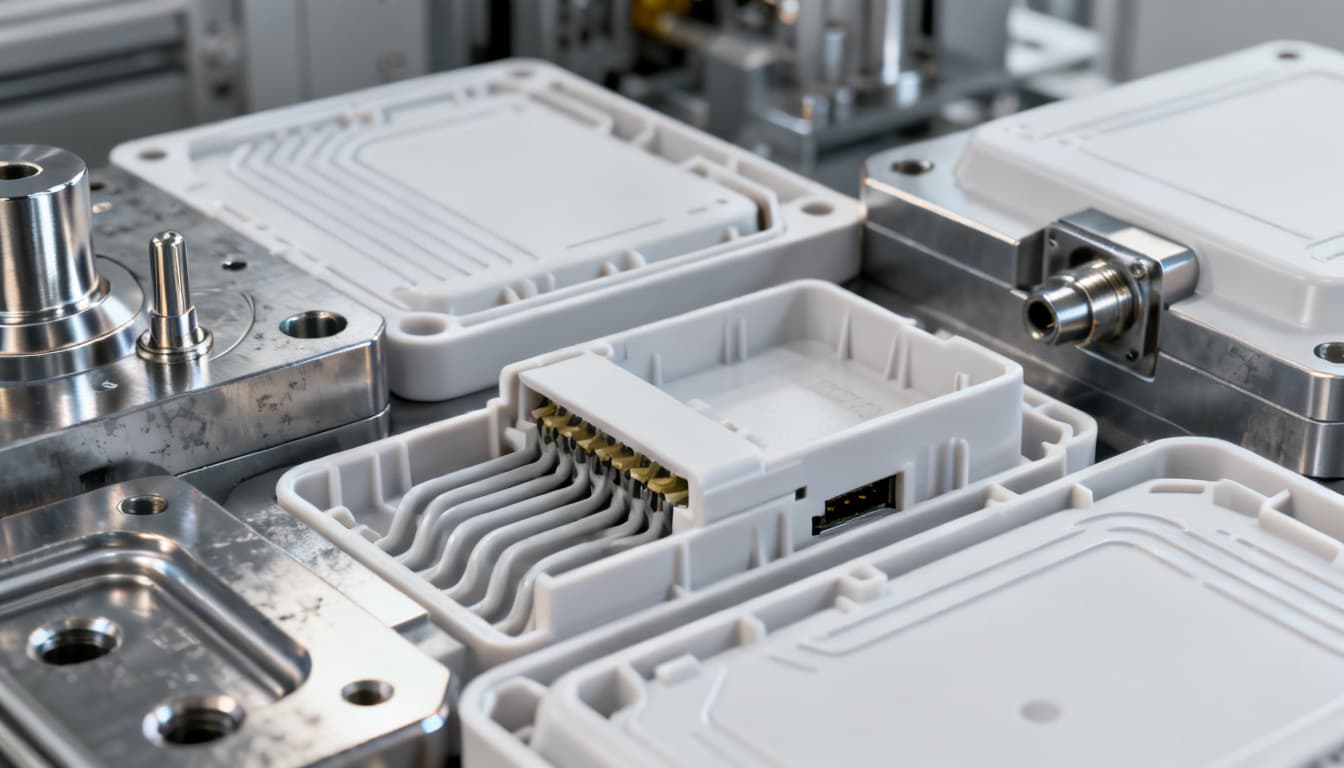
Innovative Plastic Injection Molding Techniques for High-Performance Electronics
As the demand for high-performance electronics continues to grow, so does the necessity for precision and innovation in plastic injection molding. Engineers face challenges such as miniaturization, heat dissipation, and structural integrity, which require advanced molding techniques to ensure produc
Innovative Plastic Injection Molding Techniques for High-Performance Electronics
As the demand for high-performance electronics continues to grow, so does the necessity for precision and innovation in plastic injection molding. Engineers face challenges such as miniaturization, heat dissipation, and structural integrity, which require advanced molding techniques to ensure product reliability and performance.
Understanding Material Selection for Electronics
Choosing the right material is crucial for the performance and durability of electronic components. Each material offers distinct properties that can enhance or limit the functionality of the final product.
Common Materials and Their Properties
| Material | Melting Temperature (°C) | Key Properties | Applications |
|---|---|---|---|
| ABS | 220-250 | Good impact resistance, easy to process | Casings, housings |
| PC | 260-300 | High toughness, heat resistance | Connectors, enclosures |
| PA66 | 250-280 | High strength, good thermal stability | Gears, bearings |
| TPE | 180-210 | Flexibility, soft touch | Seals, grips |
Material Selection Guidelines
When selecting materials, it is essential to consider factors such as mechanical strength, thermal properties, and electrical insulation. For example, ABS is often chosen for its ease of processing and cost-effectiveness, while PC is preferred for its robustness in high-temperature environments.
Advanced Molding Techniques
Innovative techniques in injection molding can significantly improve the performance and reliability of electronic components.
Multi-Shot Molding
Multi-shot molding involves using multiple injection units to create complex parts with different materials or colors in a single cycle. This process is particularly beneficial for manufacturing components that require overmolding or soft-touch surfaces.
Gas-Assisted Injection Molding
This technique reduces part weight and material usage by injecting gas into the mold cavity, creating hollow sections within the part. It is ideal for producing lightweight components without compromising strength.
Optimizing Process Parameters
Controlling process parameters is crucial to achieving the desired quality and performance in molded parts.
Key Parameters and Their Impact
| Parameter | Recommended Value | Impact on Quality |
|---|---|---|
| Melt Temperature | 220-300°C (varies by material) | Influences flow and part strength |
| Mold Temperature | 40-120°C (varies by material) | Affects surface finish and cycle time |
| Injection Pressure | 800-2000 bar | Determines fill quality and void presence |
| Cycle Time | 20-60 seconds | Impacts production efficiency |
Common Defects and Solutions
Defects such as warping, sink marks, and voids can be minimized by optimizing process parameters. For instance, maintaining an appropriate mold temperature can reduce warping, while adjusting injection pressure can help eliminate voids.
Design Considerations for Electronic Components
Designing for injection molding requires careful attention to detail to ensure manufacturability and performance.
Design Rules
- Wall thickness: Maintain uniformity between 1-3mm to prevent warping and ensure even cooling.
- Draft angles: Include 0.5-2° to facilitate part ejection and reduce wear on the mold.
- Ribs and bosses: Use these features to add strength without increasing wall thickness unnecessarily.
Implementing Quality Control
Quality control is vital to ensure the reliability and performance of electronic components. Adhering to industry standards such as ISO 9001 and using statistical process control (SPC) techniques can help maintain consistent quality.
Inspection Techniques
- Visual Inspection: Check for surface defects and uniformity.
- Dimensional Analysis: Use calipers and CMM machines to verify part dimensions.
- Functional Testing: Conduct electrical and mechanical tests to ensure performance.
Practical Tip: Regularly calibrate equipment and train personnel to recognize common defects. Implement a feedback loop to refine processes continuously.
Conclusion
Innovative injection molding techniques and careful material selection are crucial for producing high-performance electronic components. By optimizing process parameters and adhering to design rules, engineers can overcome common challenges and enhance product reliability. For professional injection molding services, consider reaching out to get a free quote from Panda Molding.