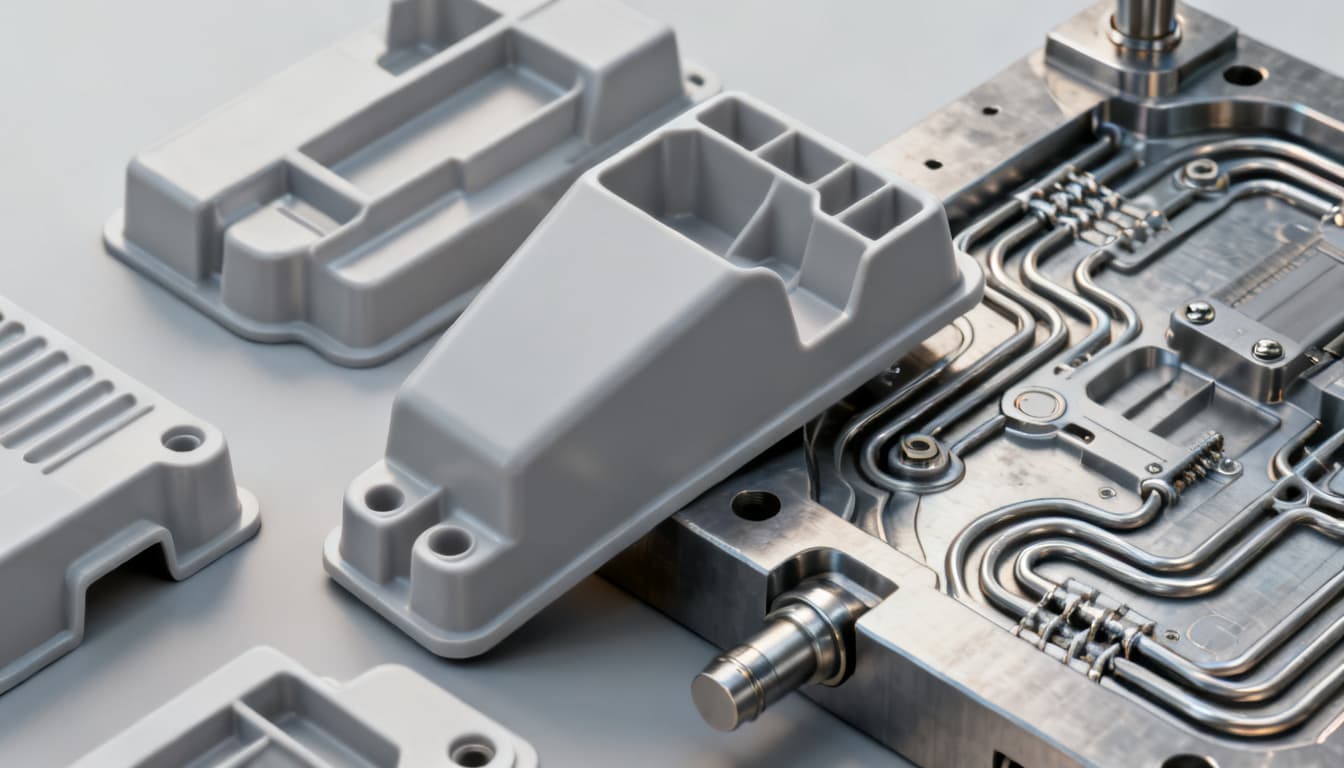
Innovative Solutions to Minimize Injection Molding Defects: Advanced Techniques Revealed
Injection molding defects can severely impact the quality and performance of plastic parts, leading to increased costs and production delays. Understanding the causes and implementing advanced solutions can significantly reduce these defects, ensuring high-quality output and customer satisfaction.
Innovative Solutions to Minimize Injection Molding Defects: Advanced Techniques Revealed
Injection molding defects can severely impact the quality and performance of plastic parts, leading to increased costs and production delays. Understanding the causes and implementing advanced solutions can significantly reduce these defects, ensuring high-quality output and customer satisfaction.
Understanding Common Injection Molding Defects
Warping
Warping occurs when different parts of a molded component shrink unevenly, causing the part to deform. This can be influenced by factors such as uneven cooling rates and material properties.
Sink Marks
Sink marks are depressions on the surface of a molded part, often caused by insufficient cooling time or inadequate packing pressure.
Optimizing Process Parameters
Melt and Mold Temperatures
Choosing the correct melt and mold temperatures is crucial. For example, ABS typically requires a melt temperature of 220-250°C and a mold temperature of 60-85°C. Deviating from these ranges can lead to defects such as poor surface finish or incomplete filling.
Injection Pressure and Speed
Injection pressure and speed must be carefully controlled to ensure proper filling without introducing stresses. For instance, a pressure range of 700-1400 bar is common for materials like PP.
| Material | Melt Temperature (°C) | Mold Temperature (°C) | Injection Pressure (bar) |
|---|---|---|---|
| ABS | 220-250 | 60-85 | 900-1200 |
| PP | 200-230 | 30-60 | 700-1400 |
| PC | 270-320 | 80-110 | 1000-1600 |
Advanced Techniques for Defect Reduction
Using Mold Flow Analysis
Mold flow analysis software can predict potential defects by simulating the molding process. This allows engineers to adjust design and process parameters before actual production.
Implementing Scientific Molding
Scientific molding involves using data-driven methodologies to optimize the molding process. By analyzing data from sensors and using statistical methods, defects can be minimized effectively.
Material Selection and Design Considerations
Choosing the Right Material
Selecting the appropriate material is essential. For instance, PA66 is known for its strength and thermal resistance, making it suitable for automotive applications, whereas TPE is preferred for flexible components.
| Material | Key Properties | Typical Applications |
|---|---|---|
| PA66 | High strength, thermal resistance | Automotive parts |
| TPE | Flexibility, impact resistance | Seals, gaskets |
| POM | Low friction, wear resistance | Gears, bearings |
Design Rules for Minimizing Defects
Adhering to design rules such as maintaining a uniform wall thickness (1-3mm) and appropriate draft angles (0.5-2°) can help in reducing defects like warping and sink marks.
Quality Control and Continuous Improvement
Implementing Rigorous Quality Checks
Regular quality checks using tools like CMM (Coordinate Measuring Machines) ensure that parts meet specifications and defects are caught early.
Continuous Process Improvement
Adopting a continuous improvement mindset, such as using Lean and Six Sigma methodologies, can help in identifying and eliminating sources of defects over time.
- Conduct a thorough design review to identify potential issues.
- Select appropriate materials based on application needs.
- Optimize process parameters using data-driven approaches.
- Use mold flow analysis to predict and mitigate defects.
- Implement robust quality control measures.
- Continuously monitor and improve processes.
Practical Tip: Regularly review and adjust process parameters based on feedback from quality control checks to ensure ongoing defect reduction.
Conclusion
Minimizing injection molding defects requires a comprehensive approach that includes optimal process parameters, the right material selection, and robust quality control measures. By implementing the advanced techniques discussed, manufacturers can achieve higher quality, reduce costs, and improve customer satisfaction. For more information or to discuss your specific needs, get a free quote from Panda Molding.