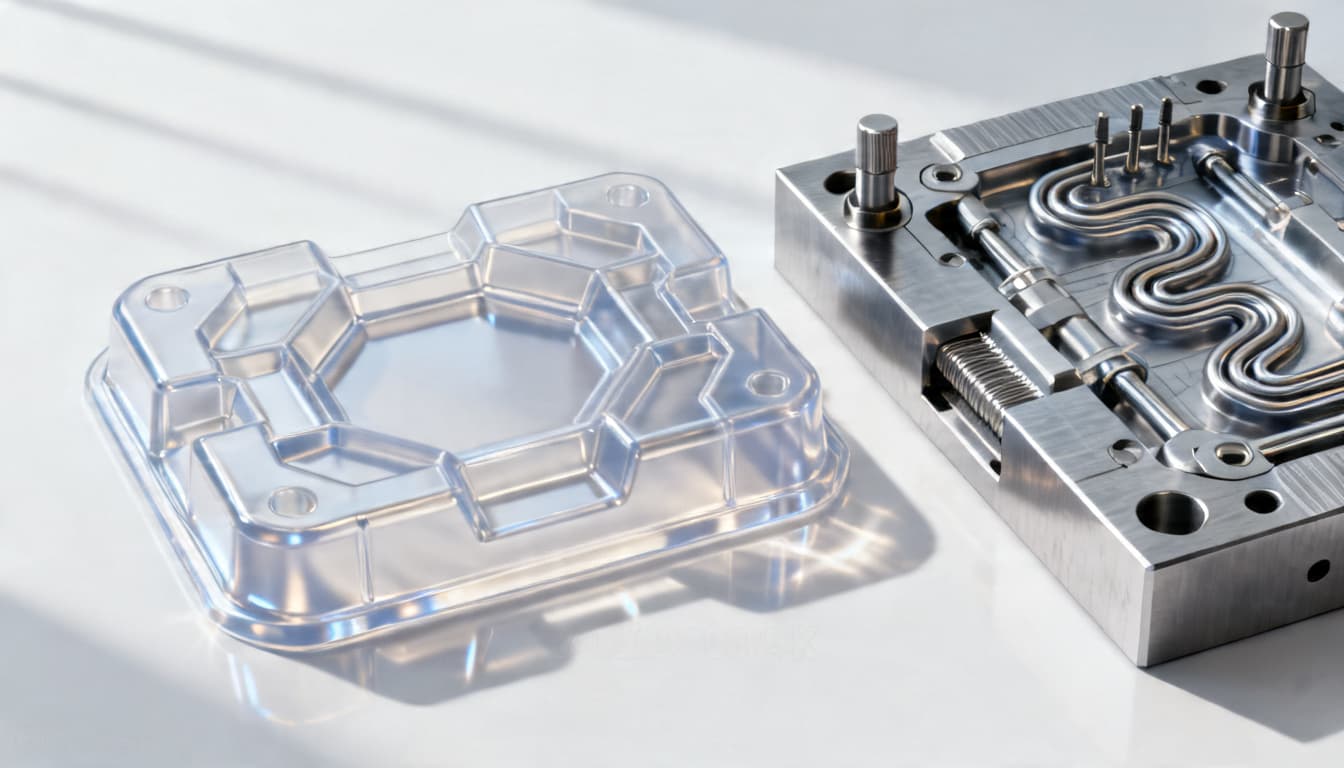
Key Considerations in Plastic Injection Molding: A Designer's Essential Guide
Designing for plastic injection molding can be a complex task, fraught with potential pitfalls. A well-designed part not only meets the aesthetic and functional requirements but also aligns with the manufacturing constraints. This guide aims to equip designers with crucial insights to optimize their
Key Considerations in Plastic Injection Molding: A Designer's Essential Guide
Designing for plastic injection molding can be a complex task, fraught with potential pitfalls. A well-designed part not only meets the aesthetic and functional requirements but also aligns with the manufacturing constraints. This guide aims to equip designers with crucial insights to optimize their designs for successful injection molding.
Understanding Material Selection
Choosing the right material is fundamental to the success of an injection molded part. Each material offers different properties and behaviors under processing conditions.
Comparing Common Materials
Let's examine some popular materials used in injection molding, including their typical applications and processing parameters.
| Material | Applications | Melt Temperature (°C) | Mold Temperature (°C) |
|---|---|---|---|
| ABS | Automotive, Electronics | 220-260 | 50-70 |
| PP | Packaging, Housewares | 200-250 | 20-50 |
| PC | Optical Discs, Safety Helmets | 280-320 | 80-110 |
| PA66 | Gears, Bearings | 260-290 | 70-100 |
Material Trade-offs
Each material has trade-offs. For example, ABS offers excellent toughness but can be prone to warping if not properly cooled. Polypropylene (PP) is cost-effective and resistant to fatigue, but it may not provide the rigidity needed for structural components.
Designing for Manufacturability
A design that looks great on paper might not always be feasible for injection molding. Here are some design rules to ensure manufacturability.
Wall Thickness
Maintaining uniform wall thickness is critical. A range of 1-3mm is typically recommended to minimize issues such as sink marks and warping.
Draft Angles
Including draft angles of 0.5-2° facilitates part removal from the mold, reducing the risk of damage and ensuring high-quality finishes.
Optimizing Process Parameters
Precise control of process parameters is essential for achieving consistent quality in injection molding.
Injection Pressure
The injection pressure must be optimized to fill the mold completely without causing flash or excessive stress in the part. Typical pressures range from 800 to 1500 bar.
Cycle Time
Cycle time impacts productivity and costs. A typical cycle time for a medium-sized part might be 30-60 seconds, but this can vary based on material and part complexity.
| Parameter | Typical Range | Impact on Quality |
|---|---|---|
| Injection Pressure (bar) | 800-1500 | Filling, Flash |
| Cycle Time (seconds) | 30-60 | Productivity, Cost |
Solving Common Defects
Even with optimal design and parameters, defects can occur. Understanding these issues and their solutions is key.
Warping
Warping often results from uneven cooling. Ensuring uniform wall thickness and proper cooling channel design can mitigate this issue.
Sink Marks
Sink marks occur due to insufficient cooling or excessive wall thickness. Reducing thickness or adjusting cooling time can help.
Step-by-Step Design Checklist
- Choose the appropriate material based on application and processing requirements.
- Ensure uniform wall thickness across the part.
- Incorporate adequate draft angles to facilitate ejection.
- Optimize injection pressure and cycle time based on material and part complexity.
- Design cooling channels to ensure uniform cooling and minimize defects.
- Conduct mold flow analysis to predict potential defects and adjust design accordingly.
Practical Tip: Always conduct a mold flow analysis early in the design phase to identify potential issues such as air traps and weld lines. This can save significant time and cost in later stages.
Conclusion
Designing for plastic injection molding requires a balance between creativity and technical constraints. By understanding material properties, adhering to design rules, and optimizing process parameters, designers can create parts that are not only functional but also manufacturable. For professional assistance with your injection molding projects, get a free quote from Panda Molding.