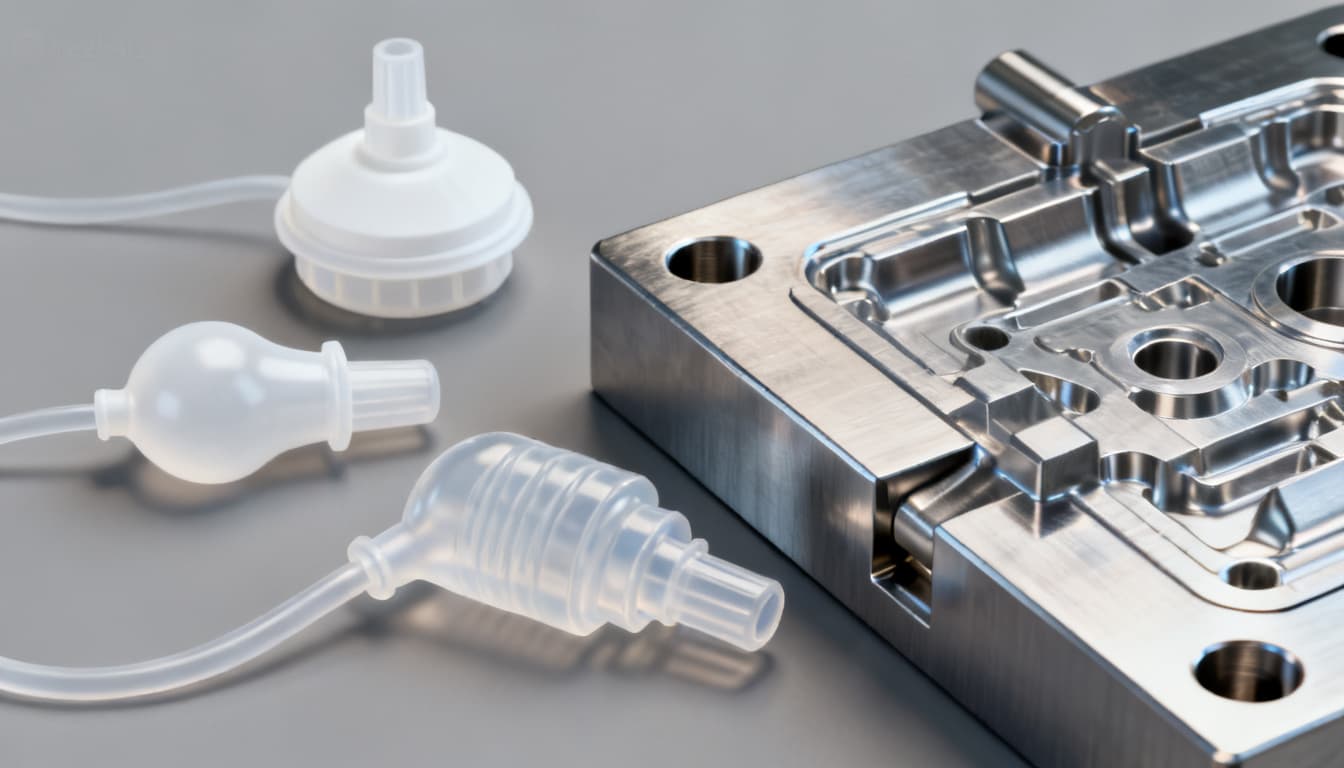
Leading Medical Injection Molding Companies: A Comparative Analysis of Quality and Capability
In the competitive realm of medical device manufacturing, precision and reliability are non-negotiable. With healthcare outcomes often hinging on the quality of molded components, selecting the right injection molding partner is crucial. This article delves into the critical factors that differentia
Leading Medical Injection Molding Companies: A Comparative Analysis of Quality and Capability
In the competitive realm of medical device manufacturing, precision and reliability are non-negotiable. With healthcare outcomes often hinging on the quality of molded components, selecting the right injection molding partner is crucial. This article delves into the critical factors that differentiate leading medical injection molding companies, offering insights into their quality and capabilities.
Understanding Key Injection Molding Parameters
Melt and Mold Temperatures
Precise control over melt and mold temperatures is essential for producing high-quality medical components. For instance, Polycarbonate (PC), a popular medical-grade material, requires a melt temperature between 260°C and 320°C and a mold temperature of 80°C to 120°C. These parameters ensure optimal flow and minimize internal stresses.
Injection Pressure and Cycle Time
Injection pressure is another critical factor, typically ranging from 800 to 1400 bar, depending on the material and part complexity. Cycle time, which can vary from 15 to 60 seconds, directly impacts production efficiency and cost. A balance must be struck between speed and quality to avoid defects such as short shots or warping.
Material Comparison for Medical Applications
Choosing the right material is pivotal for medical applications, where biocompatibility and sterilization are key. Below is a comparison of common materials used in medical injection molding.
| Material | Biocompatibility | Sterilization Methods | Typical Applications |
|---|---|---|---|
| Polycarbonate (PC) | High | Steam, Gamma, ETO | Surgical instruments, IV components |
| Polypropylene (PP) | Moderate | Steam, ETO | Syringes, Labware |
| Thermoplastic Elastomers (TPE) | High | Gamma, ETO | Seals, Gaskets |
Quality Control Measures
Adherence to Industry Standards
Leading companies adhere to stringent industry standards such as ISO 13485 for medical devices. This certification ensures a robust quality management system capable of consistently meeting regulatory and customer requirements.
In-Process Inspection and Testing
Real-time monitoring and in-process inspections, such as using vision systems for dimensional checks, are vital. Key parameters like wall thickness (1-3mm) and draft angles (0.5-2°) are monitored to prevent defects.
Process Optimization Techniques
Scientific Molding Approach
Scientific molding, with its data-driven methodology, allows engineers to optimize parameters for peak performance. This approach minimizes trial-and-error, reducing waste and improving part consistency.
Design for Manufacturability (DFM)
DFM principles ensure that parts are designed with manufacturing constraints in mind, reducing the likelihood of defects. Considerations include uniform wall thickness and adequate draft angles to facilitate ejection.
Cost Considerations and Trade-offs
While quality is paramount, cost considerations cannot be overlooked. The table below outlines a typical cost breakdown for medical injection molding projects.
| Cost Component | Percentage of Total Cost |
|---|---|
| Material | 30% |
| Tooling | 40% |
| Labor | 20% |
| Overhead | 10% |
Trade-offs between material costs and performance must be evaluated. For instance, while PC is more expensive than PP, its superior strength and clarity may justify the cost for certain applications.
Common Defects and Solutions
Short Shots
Short shots occur when the mold cavity is not filled completely, often due to inadequate injection pressure or a low melt temperature. Increasing the injection pressure or adjusting the melt temperature within the recommended range can mitigate this issue.
Warping
Warping is caused by uneven cooling or inadequate mold design. Ensuring uniform wall thickness and optimizing cooling times can help reduce warping.
Checklist for Selecting an Injection Molding Partner
- Verify compliance with ISO 13485 certification.
- Assess the company's experience with medical-grade materials.
- Evaluate their quality control processes and technologies.
- Consider their design for manufacturability expertise.
- Review their track record for on-time delivery and customer satisfaction.
Practical Tip: Always request detailed documentation of process parameters and inspection results to ensure transparency and accountability.
Conclusion
Choosing the right medical injection molding partner involves a careful evaluation of their technical capabilities, quality assurance practices, and cost structures. By understanding the critical parameters and trade-offs involved, you can make informed decisions that enhance your product's reliability and performance. If you are ready to discuss your project, feel free to get a free quote from our experts at Panda Molding.