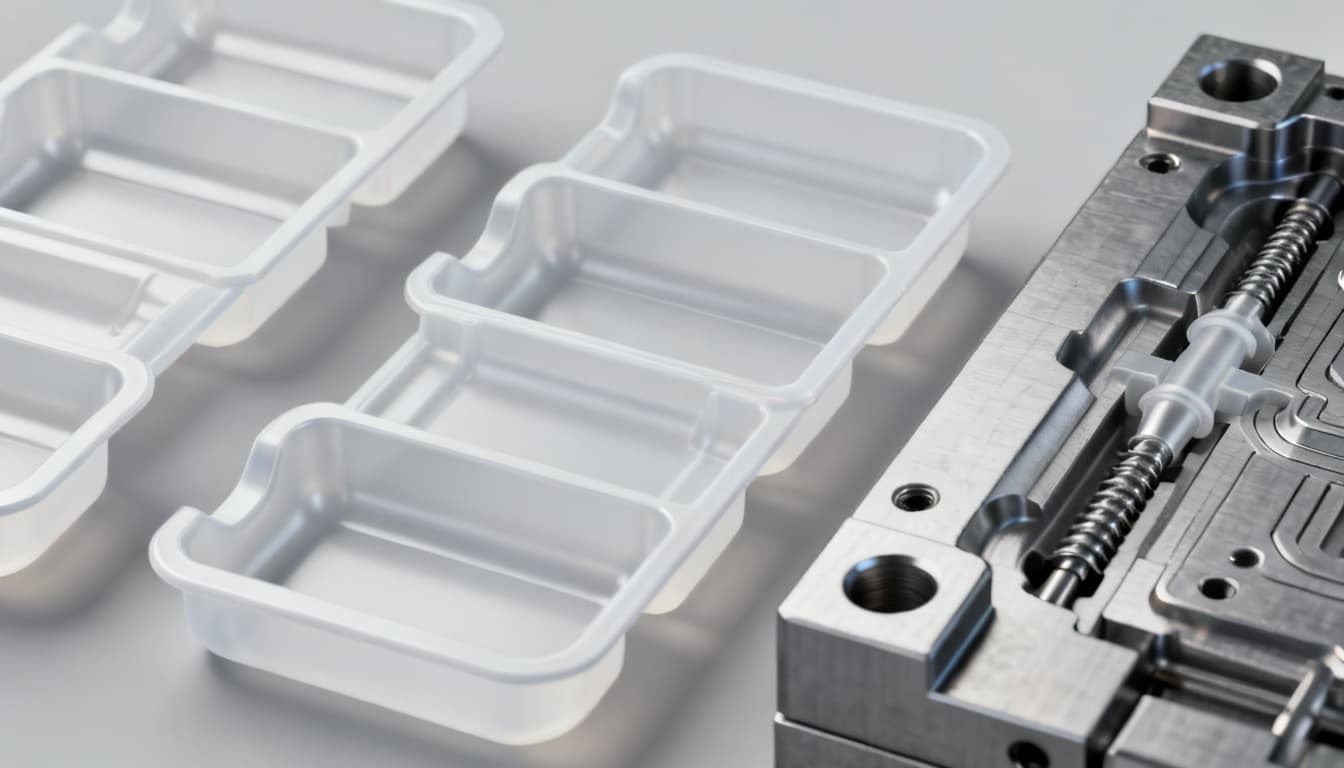
Leading the Charge: The Best Medical Injection Molding Techniques for High-Quality Devices
In the realm of medical devices, precision and reliability are non-negotiable. The demand for high-quality medical components has never been greater, pushing the boundaries of injection molding techniques to deliver exceptional results. Through years of hands-on experience, I've witnessed firsthand
Leading the Charge: The Best Medical Injection Molding Techniques for High-Quality Devices
In the realm of medical devices, precision and reliability are non-negotiable. The demand for high-quality medical components has never been greater, pushing the boundaries of injection molding techniques to deliver exceptional results. Through years of hands-on experience, I've witnessed firsthand the evolution of these techniques, and today, I'm sharing insights into the best practices for producing high-quality medical devices.
Understanding Material Selection for Medical Devices
Material selection is crucial in medical injection molding, influencing everything from biocompatibility to mechanical properties. Here, we'll compare key materials and their applications.
Commonly Used Medical-Grade Plastics
| Material | Applications | Key Properties |
|---|---|---|
| Polycarbonate (PC) | Blood oxygenators, drug delivery devices | High impact resistance, clarity |
| Polypropylene (PP) | Syringes, labware | Chemical resistance, low density |
| Polyamide (PA66) | Surgical instruments, catheter components | High strength, wear resistance |
Material selection should adhere to ISO 10993 standards for biocompatibility, ensuring patient safety and regulatory compliance.
Optimizing Injection Molding Parameters
Precise control over injection molding parameters is essential for producing defect-free medical components. Let's explore the critical parameters that need to be optimized.
Melt and Mold Temperatures
Maintaining the correct melt and mold temperatures is vital to avoid defects such as short shots and warping. For instance, PC typically requires a melt temperature of 280-320°C and a mold temperature of 80-120°C.
Injection Pressure and Cycle Time
Injection pressure and cycle time significantly impact part quality and production efficiency. A pressure of 800-1400 bar and a cycle time of 30-60 seconds are common for medical-grade polymers.
| Parameter | Typical Range | Effect on Quality |
|---|---|---|
| Injection Pressure | 800-1400 bar | Ensures complete cavity filling |
| Cycle Time | 30-60 seconds | Affects production speed and cost |
Design Considerations for Medical Molding
Design plays a pivotal role in the manufacturability and functionality of medical devices. Attention to detail in design can mitigate common molding challenges.
Wall Thickness and Draft Angles
Consistent wall thickness (1-3mm) and appropriate draft angles (0.5-2°) are crucial to prevent warping and ensure easy ejection from the mold.
Minimizing Defects
Common defects such as sink marks and flash can be mitigated through proper design and parameter optimization. For instance, maintaining a uniform wall thickness helps reduce sink marks.
Implementing Quality Control Measures
Quality control is paramount in medical device manufacturing, ensuring each component meets stringent standards. Here, we'll outline the most effective measures.
Inspection and Testing Protocols
Implementing rigorous inspection protocols, such as dimensional analysis and visual inspections, helps detect defects early. Testing for mechanical properties ensures compliance with ASTM standards.
Process Validation
Process validation, including Installation Qualification (IQ), Operational Qualification (OQ), and Performance Qualification (PQ), is essential to demonstrate consistent quality and adherence to FDA guidelines.
Step-by-Step Guide to Successful Medical Injection Molding
- Material Selection: Choose biocompatible materials that meet ISO 10993 standards.
- Design Optimization: Ensure consistent wall thickness and appropriate draft angles.
- Parameter Setting: Optimize melt temperature, mold temperature, and injection pressure.
- Quality Control: Implement thorough inspection and testing protocols.
- Process Validation: Conduct IQ, OQ, and PQ to ensure consistent quality.
Practical Tip: Regularly review and adjust process parameters based on real-time data to adapt to material batch variations and maintain consistent quality.
Conclusion
Medical injection molding demands precision, expertise, and a commitment to quality. By focusing on material selection, parameter optimization, and rigorous quality control, manufacturers can produce high-quality medical devices that meet stringent industry standards. For those looking to enhance their production capabilities, consider reaching out to professional injection molding services like Panda Molding for expert guidance and support.