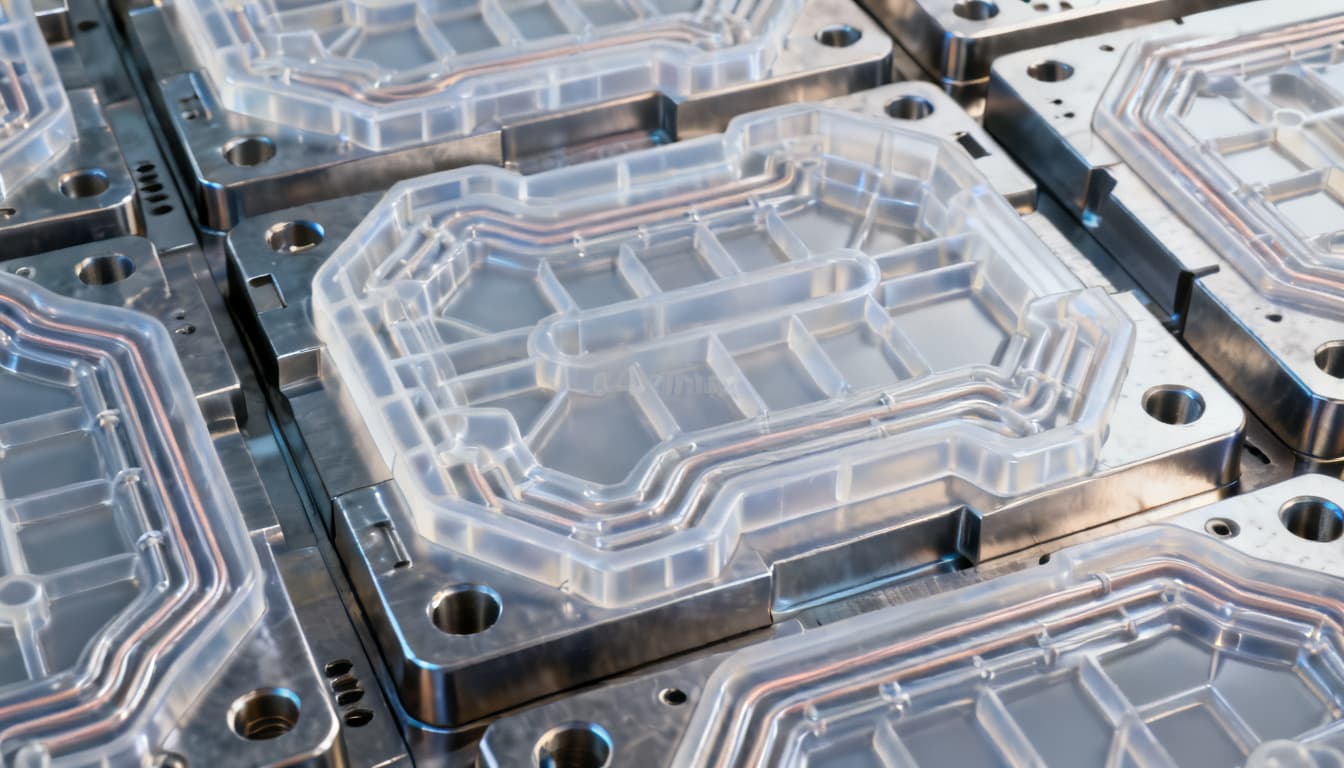
Mastering Cooling Channel Design: Strategies for Complex Parts in Injection Molding
Designing efficient cooling channels is a critical aspect of producing high-quality injection molded parts, especially when dealing with complex geometries. Ineffective cooling can lead to warpage, sink marks, and extended cycle times, which can ultimately impact product quality and cost. This artic
Mastering Cooling Channel Design: Strategies for Complex Parts in Injection Molding
Designing efficient cooling channels is a critical aspect of producing high-quality injection molded parts, especially when dealing with complex geometries. Ineffective cooling can lead to warpage, sink marks, and extended cycle times, which can ultimately impact product quality and cost. This article provides practical insights into optimizing cooling channel design for complex parts, ensuring you achieve superior results and maintain competitive advantages.
Understanding the Basics of Cooling Channel Design
Cooling channels play a vital role in the injection molding process by removing heat from the mold and solidifying the molten plastic. An optimal design reduces cycle time and enhances part quality. Key parameters include channel diameter, spacing, and layout.
Channel Diameter and Spacing
For effective heat transfer, the diameter of cooling channels should typically range from 6mm to 12mm. Spacing between channels should be about 2 times the diameter to ensure uniform cooling. Deviating from these guidelines can result in uneven cooling and defects.
Layout Considerations
Layouts can be parallel, conformal, or baffle-based, each with its advantages. Conformal cooling channels, which follow the part's geometry, are particularly effective for complex parts, offering up to 30% reduction in cycle time compared to traditional layouts.
Material Considerations in Cooling Efficiency
Different materials require specific cooling considerations due to their thermal properties. Below is a comparison of common materials and their cooling characteristics:
| Material | Thermal Conductivity (W/mK) | Cooling Time (s) for 2mm Thickness |
|---|---|---|
| ABS | 0.2 | 25-35 |
| PP | 0.22 | 20-30 |
| PC | 0.19 | 30-40 |
| PA66 | 0.25 | 15-25 |
| POM | 0.23 | 20-30 |
Practical Material Selection
For parts requiring high precision, materials like PA66 and POM are preferable due to their better thermal conductivity, allowing for faster cooling and reduced cycle times. However, consider the material's mechanical properties and cost implications.
Optimizing Cooling Channel Design for Complex Parts
Complex parts present unique challenges in cooling channel design. Here are strategies to optimize your design:
Use of Simulation Software
Advanced simulation tools can predict cooling efficiency and highlight potential issues. Implementing these tools early in the design phase can save time and reduce costly redesigns.
Incorporating Conformal Cooling
Conformal cooling channels, made possible by 3D printing technologies, allow for channels that follow the part's contours closely. This design significantly enhances cooling uniformity and efficiency.
Practical Tip: When using conformal cooling, ensure the channels are not too close to the part surface. A minimum distance of 1.5 times the channel diameter is recommended to prevent surface defects.
Common Mistakes and How to Avoid Them
Even experienced engineers can make mistakes in cooling channel design. Here are some common pitfalls and solutions:
Improper Channel Diameter
Using channels that are too small can lead to inadequate cooling and increased pressure drop. Ensure channels are within the recommended diameter range of 6mm to 12mm.
Inadequate Channel Spacing
Channels that are too close together can cause uneven cooling and warpage. Maintain a spacing of at least 2 times the channel diameter.
Step-by-Step Guide to Designing Effective Cooling Channels
- Determine the material's thermal properties and cooling requirements.
- Select an appropriate channel diameter and spacing based on part size and complexity.
- Choose a layout type (parallel, conformal, baffle) suited to the part geometry.
- Utilize simulation software to evaluate design efficiency and identify potential issues.
- Implement design modifications based on simulation results and retest.
- Conduct a trial run to validate cooling performance and make necessary adjustments.
Conclusion
Effective cooling channel design is crucial for producing high-quality injection molded parts, especially when dealing with complex geometries. By understanding the fundamentals, considering material properties, and employing advanced design strategies like conformal cooling, you can significantly enhance your process efficiency and product quality. Remember to leverage simulation tools to refine designs and avoid common mistakes.
For professional assistance with your injection molding projects, get a free quote from Panda Molding, where expertise meets innovation.