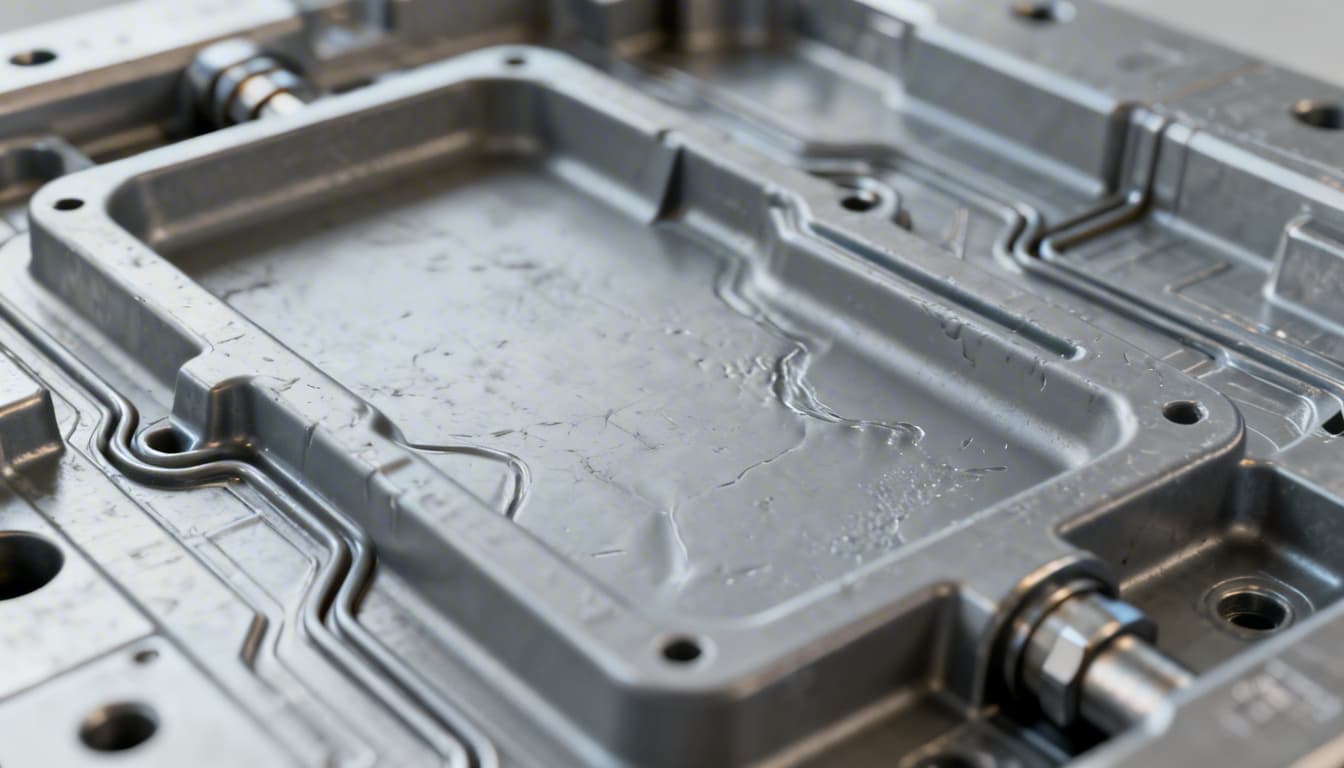
Mastering Injection Molding: Identify Common Defects and Effective Remedies
Injection molding is a precise process, yet even the most controlled environments can encounter defects. Understanding these defects and their remedies is crucial for maintaining quality and efficiency. Let's delve into the specifics of common injection molding issues and how to tackle them effectiv
Mastering Injection Molding: Identify Common Defects and Effective Remedies
Injection molding is a precise process, yet even the most controlled environments can encounter defects. Understanding these defects and their remedies is crucial for maintaining quality and efficiency. Let's delve into the specifics of common injection molding issues and how to tackle them effectively.
Understanding Injection Molding Parameters
Before addressing defects, it’s important to grasp the key parameters that influence the injection molding process. These include melt temperature, mold temperature, injection pressure, and cycle time. Each parameter plays a role in the quality of the final product.
Melt and Mold Temperatures
The melt temperature is critical for ensuring the plastic flows correctly. For example, ABS typically requires a melt temperature between 210°C and 250°C. Mold temperature, on the other hand, affects the cooling rate and should be between 40°C and 80°C for ABS.
Injection Pressure and Cycle Time
Injection pressure must be sufficient to fill the mold cavity completely without causing defects. A typical range for ABS is 60-100 MPa. Cycle time, which includes filling, cooling, and ejection, should be optimized based on the material and part design.
Common Injection Molding Defects
Defects in injection molding can stem from various sources. Here are some of the most common issues:
Sink Marks
Sink marks often occur due to insufficient cooling or excessive wall thickness. Maintaining a uniform wall thickness of 1-3mm and optimizing cooling time can mitigate this issue.
Warpage
Warpage is typically caused by differential shrinkage. Adjusting the mold design to include uniform wall thickness and proper draft angles (0.5°-2°) can help reduce warpage.
Flash
Flash results from excessive material seeping out of the mold cavity. Ensuring the mold is properly clamped and adjusting the injection pressure can prevent this defect.
Effective Remedies for Injection Molding Defects
Addressing defects involves a combination of process adjustments and design considerations. Here are some remedies for common defects:
Adjusting Process Parameters
Fine-tuning the melt temperature, mold temperature, and injection pressure can rectify many defects. For example, if sink marks are prevalent, reducing the mold temperature or increasing the cooling time may help.
Mold Design Improvements
Incorporating features such as uniform wall thickness and adequate draft angles can significantly reduce defects like warpage and flash.
Material Selection and Its Impact
The choice of material can greatly influence the occurrence of defects. Here’s a comparison of common materials and their typical processing parameters:
| Material | Melt Temperature (°C) | Mold Temperature (°C) | Injection Pressure (MPa) |
|---|---|---|---|
| ABS | 210-250 | 40-80 | 60-100 |
| PP | 200-240 | 10-50 | 50-80 |
| PC | 270-320 | 80-120 | 80-140 |
Material-Specific Considerations
Each material has unique properties that affect its behavior during molding. For example, PC requires higher mold temperatures to prevent internal stresses, while PP benefits from lower mold temperatures to reduce cycle times.
Step-by-Step Process for Troubleshooting Defects
- Identify the defect type (e.g., sink marks, warpage).
- Check the process parameters against recommended values.
- Examine the mold design for potential improvements.
- Consider material-specific adjustments.
- Implement changes and monitor results.
Practical Tips for Injection Molding Success
Tip: Always conduct a mold flow analysis before production to identify potential defects. This proactive approach can save time and cost associated with trial-and-error adjustments.
Conclusion
Mastering injection molding requires a thorough understanding of process parameters, material properties, and mold design. By identifying common defects and implementing effective remedies, manufacturers can enhance product quality and reduce waste. For more personalized assistance, consider reaching out to industry experts or get a free quote from Panda Molding.