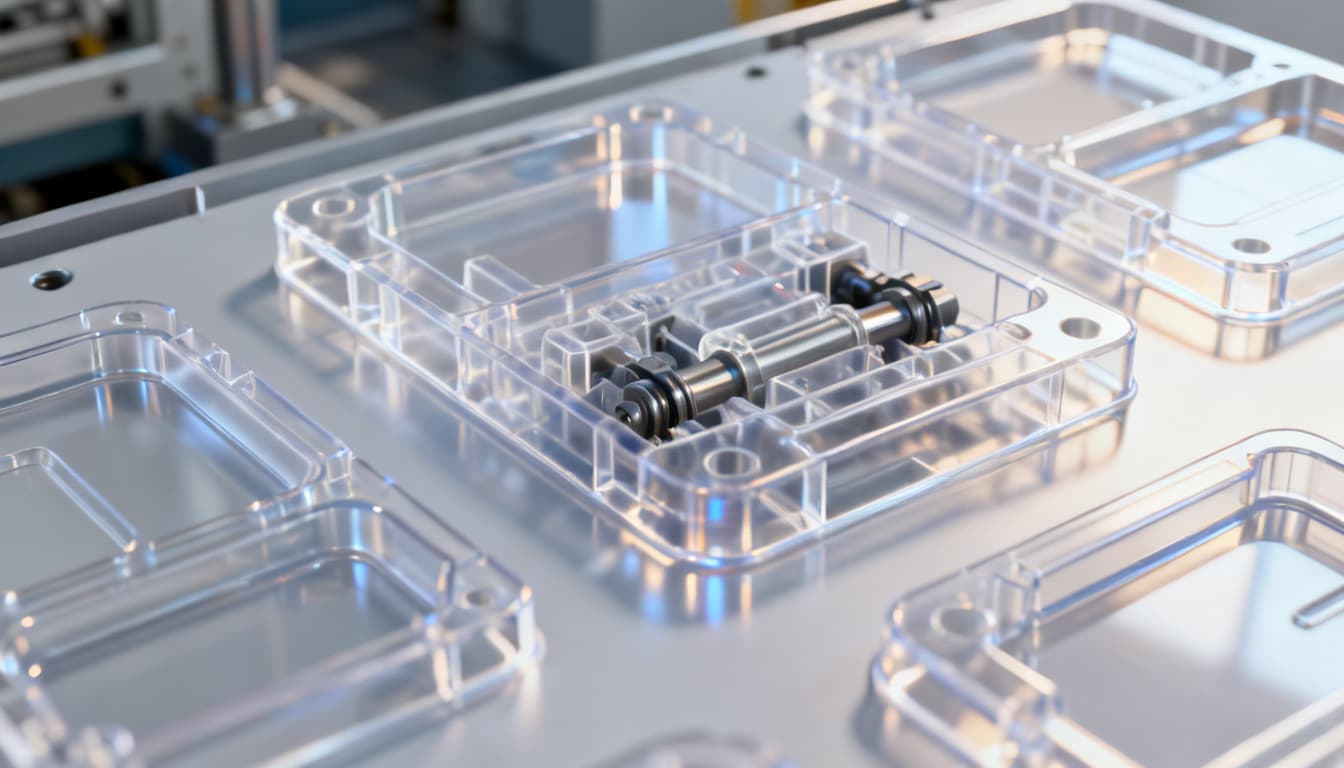
Mastering Optics Injection Molding: A Step-by-Step Guide to Achieving Clarity and Precision
Achieving optical clarity and precision in injection molding is no small feat. As engineers, we often face challenges such as birefringence, sink marks, and surface defects that can compromise the quality of optical components. This guide aims to demystify the process and provide actionable strategi
Mastering Optics Injection Molding: A Step-by-Step Guide to Achieving Clarity and Precision
Achieving optical clarity and precision in injection molding is no small feat. As engineers, we often face challenges such as birefringence, sink marks, and surface defects that can compromise the quality of optical components. This guide aims to demystify the process and provide actionable strategies to overcome these hurdles.
Understanding Material Selection for Optical Clarity
Choosing the right material is paramount in optics injection molding. Different materials offer varying degrees of transparency, refractive index, and durability.
Comparing Common Materials
Let's examine some popular materials used in optics injection molding:
| Material | Transparency (%) | Refractive Index | Cost (per kg) |
|---|---|---|---|
| Polycarbonate (PC) | 89 | 1.586 | $3.00 |
| Acrylic (PMMA) | 92 | 1.49 | $2.50 |
| Cyclic Olefin Polymer (COP) | 92 | 1.53 | $4.50 |
Polycarbonate is often favored for its impact resistance, while PMMA is chosen for its superior clarity. COP, although more expensive, provides excellent optical properties and low birefringence.
Precision Mold Design: Key Considerations
The design of the mold significantly impacts the final product's optical quality. Paying attention to details such as wall thickness and draft angles is crucial.
Design Guidelines
- Wall Thickness: Maintain uniform wall thickness between 1-3mm to avoid sink marks and ensure even cooling.
- Draft Angles: Implement draft angles of 0.5-2° to facilitate easy ejection and reduce surface defects.
- Gate Location: Strategically place gates to minimize flow marks and ensure even filling.
Optimizing Process Parameters
Fine-tuning process parameters is essential for achieving high-quality optical parts. Here are some critical parameters to consider:
Injection Molding Parameters
| Parameter | Recommended Value |
|---|---|
| Melt Temperature | 250-300°C for PC, 200-250°C for PMMA |
| Mold Temperature | 80-120°C for PC, 50-80°C for PMMA |
| Injection Pressure | 800-1500 bar |
| Cycle Time | 30-60 seconds depending on part complexity |
Step-by-Step Process for Optics Injection Molding
- Select the appropriate optical-grade material based on the application's requirements.
- Design the mold with attention to wall thickness, draft angles, and gate location.
- Set the injection molding parameters according to the material's specifications.
- Conduct a trial run to identify and rectify issues such as flow lines or sink marks.
- Implement quality control measures, such as optical inspection and birefringence analysis.
- Iterate and optimize the process based on feedback and test results.
Common Defects and Their Solutions
Even with careful planning, defects can occur. Understanding their causes and solutions is vital for maintaining optical quality.
Addressing Defects
- Birefringence: Caused by uneven cooling; solve by optimizing mold temperature and cooling time.
- Sink Marks: Result from non-uniform wall thickness; address by maintaining consistent wall thickness and adjusting packing pressure.
- Flow Lines: Occur due to improper gate location; resolve by repositioning gates and adjusting injection speed.
Practical Tip: Conduct regular maintenance on molds to ensure consistent quality and avoid unexpected defects.
Conclusion: Achieving Clarity and Precision
Mastering optics injection molding requires a balance of material selection, precise mold design, and optimized process parameters. By understanding the intricacies of each aspect, you can produce optical components that meet the highest standards of clarity and precision. For more information or to discuss your specific project needs, get a free quote from Panda Molding today.