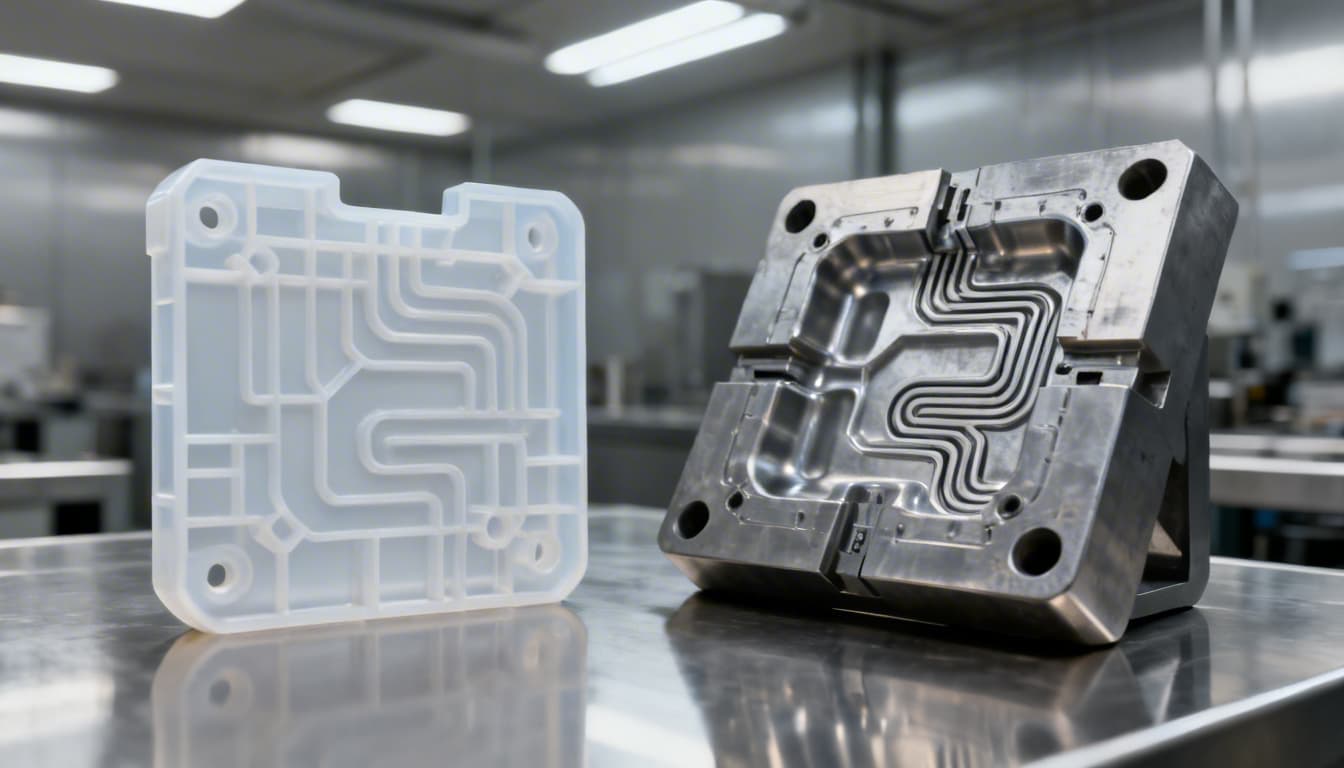
"Mastering the Magic of Injection Molding: A Comprehensive Overview of the Process"
Injection molding is a highly versatile manufacturing process used to produce a wide range of parts, from simple components to complex structures. With over 15 years of experience in the field, I am excited to guide you through the intricacies of this fascinating process.
Mastering the Magic of Injection Molding: A Comprehensive Overview of the Process
Injection molding is a highly versatile manufacturing process used to produce a wide range of parts, from simple components to complex structures. With over 15 years of experience in the field, I am excited to guide you through the intricacies of this fascinating process.
Understanding the Injection Molding Process
Injection molding involves injecting molten material into a mold cavity where it cools and hardens to the configuration of the cavity. The process is predominantly used for thermoplastics, but it can also be applied to metals, glasses, and elastomers.
Essential Parameters for Injection Molding
Precise control over various parameters is crucial for successful injection molding. Key parameters include:
| Parameter | Typical Range | Importance |
|---|---|---|
| Melt Temperature | 180°C - 280°C | Ensures proper flow and material characteristics |
| Injection Pressure | 500 - 2000 bar | Influences material flow and part quality |
| Cooling Time | 20 - 120 seconds | Affects cycle time and dimensional stability |
| Clamping Force | 150 - 2000 tons | Prevents mold opening during injection |
Steps in the Injection Molding Process
To achieve consistent quality, the injection molding process is broken down into several critical steps:
- Clamping: The mold is securely closed using a clamping unit, ensuring no material escapes during injection.
- Injection: Molten material is injected into the mold cavity using a screw or plunger. The injection speed and pressure must be carefully controlled.
- Dwelling: Pressure is maintained to pack the material and compensate for shrinkage as it cools.
- Cooling: The part is allowed to cool within the mold, solidifying into the desired shape. Cooling time is critical for maintaining part tolerances.
- Opening: The mold is opened once the part has sufficiently cooled.
- Ejection: The part is ejected from the mold, often using ejector pins.
Trade-offs in Injection Molding
While injection molding offers numerous advantages, it also involves certain trade-offs. Understanding these can help in optimizing the process for specific applications.
Material Selection
Choosing the right material is crucial. Thermoplastics like polypropylene and ABS are commonly used due to their excellent flow properties and ease of processing. However, each material comes with its own set of trade-offs:
| Material | Advantages | Disadvantages |
|---|---|---|
| Polypropylene (PP) | Low cost, good chemical resistance | Lower strength, poor UV resistance |
| Acrylonitrile Butadiene Styrene (ABS) | High impact resistance, good surface finish | More expensive, lower chemical resistance |
| Polycarbonate (PC) | High strength, excellent clarity | Costly, prone to stress cracking |
Cycle Time vs. Part Quality
Reducing cycle time can increase production efficiency but may compromise part quality. For instance, shorter cooling times can lead to warping or incomplete filling. Balancing cycle time with quality requirements is essential for optimizing production.
Tolerances and Precision
Injection molding can achieve tight tolerances, typically within ±0.1 mm. However, achieving such precision often requires higher costs due to more complex mold designs and stringent process controls. Deciding on tolerances involves balancing cost with the functional requirements of the part.
Conclusion
Mastering injection molding requires a deep understanding of its parameters, processes, and trade-offs. By carefully selecting materials, fine-tuning process parameters, and balancing production efficiency with quality, manufacturers can leverage injection molding to produce high-quality parts across various industries.
For more information on how we can assist with your injection molding needs, contact us at Panda Molding.