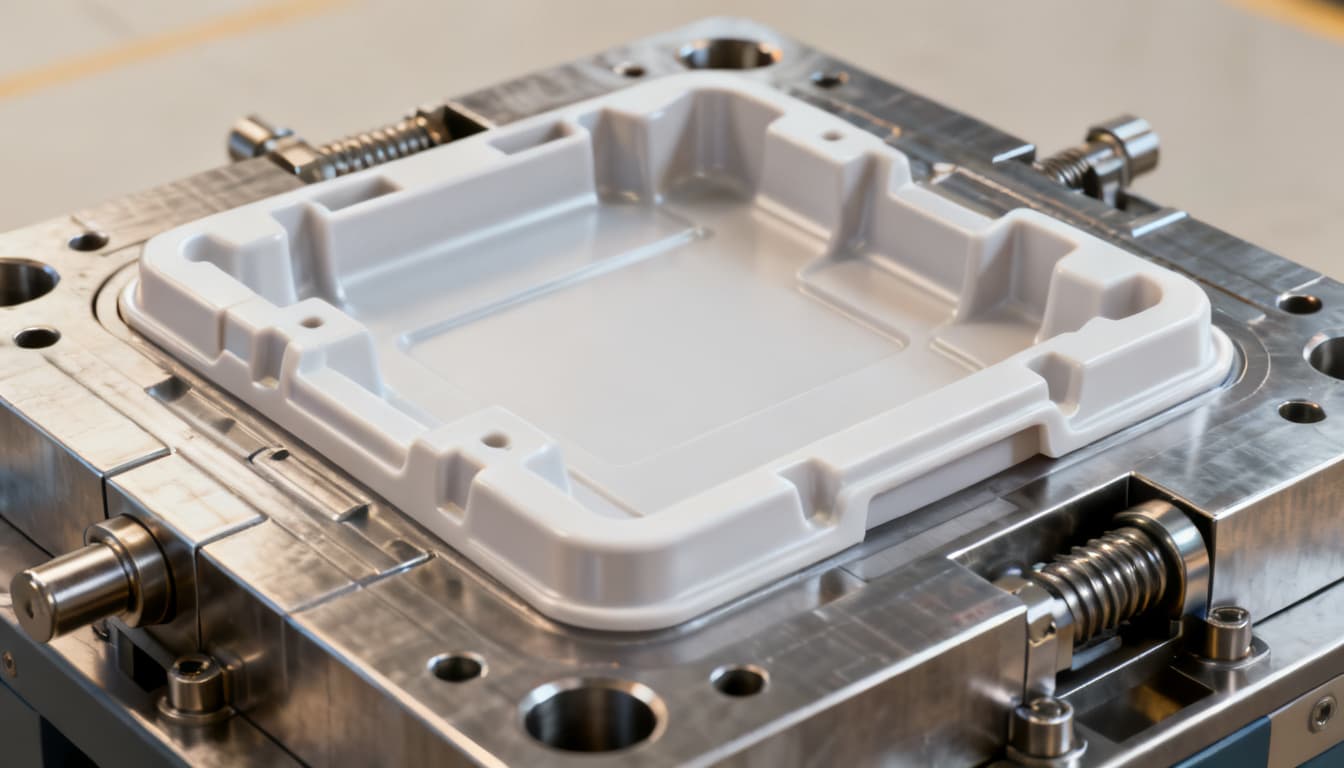
Maximizing Efficiency: Choosing the Right Moldflow Analysis and Simulation Services
In today's competitive injection molding industry, efficiency isn't just a bonus—it's a necessity. As manufacturers strive to reduce costs and improve product quality, selecting the right moldflow analysis and simulation services is crucial. With over 15 years of experience in the field, I've seen f
Maximizing Efficiency: Choosing the Right Moldflow Analysis and Simulation Services
In today's competitive injection molding industry, efficiency isn't just a bonus—it's a necessity. As manufacturers strive to reduce costs and improve product quality, selecting the right moldflow analysis and simulation services is crucial. With over 15 years of experience in the field, I've seen firsthand how proper simulation can dramatically enhance production outcomes.
Understanding Moldflow Analysis
Moldflow analysis is a computational process that simulates the injection molding process to predict how molten plastic will flow into a mold. This simulation is vital for identifying potential issues before production begins, saving both time and resources.
The Role of Simulation in Injection Molding
Simulation helps manufacturers visualize potential problems such as air traps, weld lines, or sink marks. For instance, in a recent project, a moldflow analysis identified a potential weld line in a critical area of a part, allowing us to redesign the gate location and avoid a costly defect.
Key Parameters in Moldflow Analysis
To effectively utilize moldflow analysis, understanding key parameters is essential. These include melt temperature, mold temperature, injection pressure, and cycle time.
Melt and Mold Temperatures
The melt temperature typically ranges between 200°C and 280°C, depending on the material. For example, ABS usually melts at around 230°C. Mold temperature, on the other hand, should be maintained between 40°C and 80°C to ensure proper cooling and part quality.
Injection Pressure and Cycle Time
Injection pressure should be optimized to ensure complete cavity fill without causing flash. Pressures typically range from 50 MPa to 150 MPa. Cycle time is another critical factor, with a typical range of 30 to 60 seconds depending on part complexity and material.
| Parameter | Typical Range |
|---|---|
| Melt Temperature (ABS) | 230°C |
| Mold Temperature | 40°C - 80°C |
| Injection Pressure | 50 MPa - 150 MPa |
| Cycle Time | 30 - 60 seconds |
Selecting the Right Simulation Service
Choosing the appropriate simulation service provider can significantly impact your project's success. Consider factors such as software capabilities, expertise, and industry standards compliance.
Software Capabilities
Ensure the service provider uses advanced simulation software that accommodates a wide range of materials and complex geometries. Software should comply with industry standards such as ISO 20457 for mold design and ASTM D638 for tensile properties of plastics.
Expertise and Experience
Look for providers with a proven track record in your specific industry. Their experience can offer valuable insights into common pitfalls and innovative solutions. For example, a provider familiar with automotive applications can address the stringent quality requirements of that sector.
Material Considerations
Different materials have unique flow characteristics that can affect mold design and processing parameters. Below is a comparison of some commonly used materials in injection molding.
| Material | Melt Temperature | Typical Applications |
|---|---|---|
| ABS | 230°C | Automotive, Electronics |
| PP | 220°C | Packaging, Consumer Goods |
| PC | 270°C | Optical Discs, Safety Equipment |
| PA66 | 270°C | Gears, Bearings |
Common Mistakes and Solutions
Even experienced engineers can make mistakes in moldflow analysis. Here are common issues and their solutions.
Incorrect Material Data
Using incorrect material data can lead to inaccurate simulation results. Always verify material properties from reliable sources such as the SPI Plastics Processing Guidelines.
Poor Mesh Quality
A poor-quality mesh can result in inaccurate flow predictions. Ensure your mesh is fine enough to capture critical features but not so fine that it becomes computationally expensive.
Step-by-Step Simulation Process
- Define the part geometry and import it into the simulation software.
- Select the appropriate material and verify its properties.
- Create a mesh that balances detail with computational efficiency.
- Set up the process parameters including melt temperature, mold temperature, and injection pressure.
- Run the simulation and analyze the results for potential defects.
- Modify the design or process parameters as needed and re-simulate.
Practical Tip: Always conduct a post-simulation review with your team to ensure all potential issues are addressed before moving to production.
Conclusion
Maximizing efficiency in injection molding relies heavily on choosing the right moldflow analysis and simulation services. By understanding the key parameters, selecting the right service provider, and avoiding common mistakes, you can significantly reduce costs and improve product quality. For expert assistance, get a free quote from Panda Molding today.