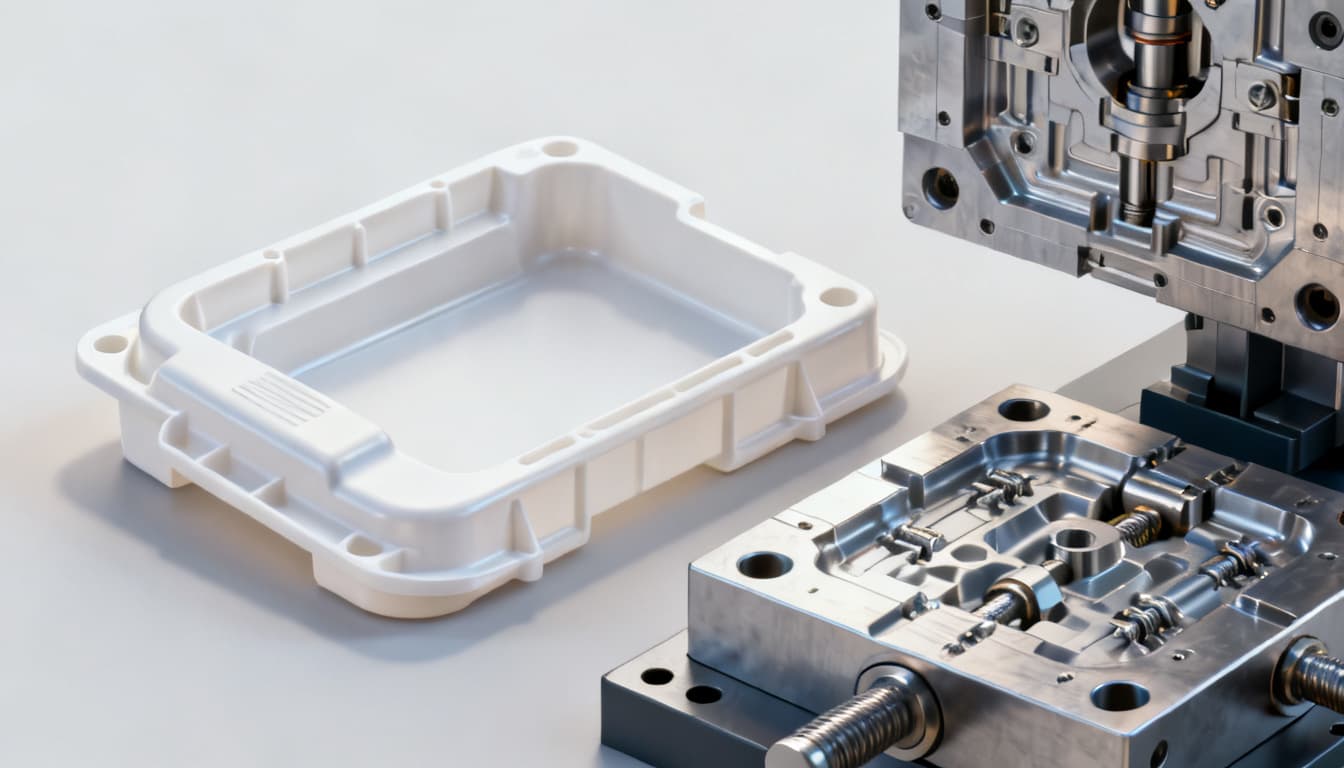
Maximizing Efficiency: Proven Techniques for Optimizing the Injection Molding Process
In the competitive landscape of manufacturing, optimizing the injection molding process is crucial for maintaining quality while reducing costs. The challenge lies in balancing these factors amidst varying materials and production demands, but with the right techniques, significant improvements can
Maximizing Efficiency: Proven Techniques for Optimizing the Injection Molding Process
In the competitive landscape of manufacturing, optimizing the injection molding process is crucial for maintaining quality while reducing costs. The challenge lies in balancing these factors amidst varying materials and production demands, but with the right techniques, significant improvements can be achieved.
Understanding Material Selection
The choice of material significantly impacts the efficiency and quality of the injection molding process. Each material comes with its own set of processing parameters and characteristics.
Material Comparison
| Material | Melt Temperature (°C) | Mold Temperature (°C) | Injection Pressure (MPa) |
|---|---|---|---|
| ABS | 220-260 | 50-80 | 60-100 |
| PP | 200-250 | 10-50 | 50-80 |
| PC | 270-320 | 80-120 | 80-120 |
| PA66 | 260-290 | 80-100 | 70-120 |
| POM | 190-230 | 80-120 | 70-100 |
| TPE | 180-240 | 20-60 | 50-100 |
Practical Experience
In my experience, using PC for high-impact applications has proven beneficial due to its strength and durability, despite its higher processing temperature. However, careful monitoring of mold temperature is essential to avoid warping.
Optimizing Process Parameters
Fine-tuning process parameters is essential to achieve optimal cycle times and product quality. Key parameters include melt temperature, mold temperature, and injection pressure.
Cycle Time Reduction
- Ensure mold design allows for efficient cooling. Incorporate conformal cooling channels if possible.
- Use the shortest cycle time possible without compromising part quality. Regularly review and adjust based on real-time data.
- Implement hot runner systems to reduce cycle time and material waste.
Common Mistakes
A common mistake is neglecting the importance of mold temperature. Too low a temperature can lead to incomplete filling and surface defects, while too high a temperature may cause excessive cycle times and warping.
Defect Prevention and Solutions
Understanding the root causes of defects can significantly reduce scrap rates and improve overall efficiency.
Identifying Defects
- Warpage: Often caused by uneven cooling or inappropriate mold temperature. Ensure uniform cooling and adjust temperatures as needed.
- Flash: Can occur due to excessive injection pressure or poor mold clamping. Verify clamping force and adjust pressure settings.
- Sink Marks: Typically a result of insufficient holding pressure. Increase holding pressure and ensure adequate cooling time.
Real-World Example
In a recent project involving ABS, we encountered warpage issues. By adjusting the mold temperature from 60°C to 70°C and ensuring uniform cooling, we reduced defects by 30%.
Design Considerations
Effective design is crucial for optimizing the injection molding process. Key considerations include wall thickness and draft angles.
Design Rules
- Maintain a consistent wall thickness of 1-3mm to prevent warpage and ensure uniform cooling.
- Incorporate draft angles of 0.5-2° to facilitate part ejection and reduce surface imperfections.
Lessons Learned
Ignoring design rules can lead to increased cycle times and higher defect rates. In a previous project, inconsistent wall thickness led to increased warpage, requiring costly redesigns.
Cost-Benefit Analysis
Understanding the cost implications of process changes is vital for making informed decisions.
Cost Breakdown
| Parameter | Cost Impact | Benefit |
|---|---|---|
| Material Selection | Varies based on material | Improved product quality and durability |
| Cycle Time Reduction | Increased initial setup | Lower production costs, higher throughput |
| Defect Reduction | Potentially higher material costs | Reduced scrap rates, improved efficiency |
Honest Recommendations
While optimizing parameters can lead to higher initial costs, the long-term benefits of reduced cycle times and defect rates often outweigh these costs. Always consider both short-term and long-term impacts.
Practical Tip: Regularly review production data and implement continuous improvement practices to identify areas for efficiency gains.
Conclusion
Optimizing the injection molding process requires a comprehensive understanding of materials, process parameters, and design considerations. By implementing the techniques outlined in this article, manufacturers can enhance efficiency, reduce costs, and improve product quality. For more information or to discuss your specific needs, get a free quote from our experts at Panda Molding.