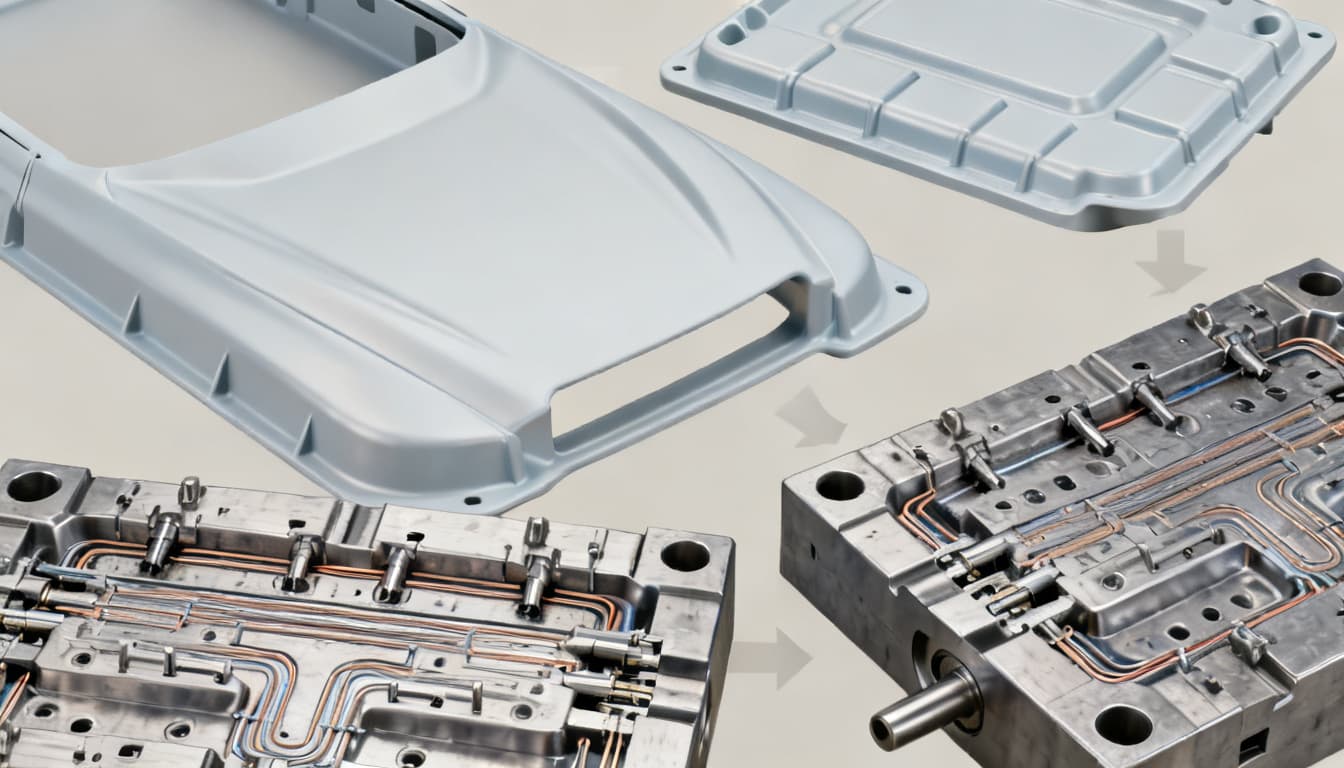
Maximizing Performance: A Step-by-Step Guide to Defense Injection Molding Techniques
In the defense industry, precision and reliability are paramount. Injection molding for defense applications demands not only technical expertise but a thorough understanding of materials and processes. This guide provides a roadmap to optimizing injection molding techniques, ensuring that every com
Maximizing Performance: A Step-by-Step Guide to Defense Injection Molding Techniques
In the defense industry, precision and reliability are paramount. Injection molding for defense applications demands not only technical expertise but a thorough understanding of materials and processes. This guide provides a roadmap to optimizing injection molding techniques, ensuring that every component meets the stringent requirements of the defense sector.
Understanding Material Selection for Defense Components
The choice of material is critical in defense applications, where durability and performance cannot be compromised. Common materials include ABS, PP, PC, PA66, POM, and TPE, each offering unique properties suitable for specific applications.
Material Properties and Applications
| Material | Properties | Applications |
|---|---|---|
| ABS | High impact resistance, good dimensional stability | Enclosures, housings |
| PP | Good fatigue resistance, chemical resistance | Component housings, connectors |
| PC | High impact strength, optical clarity | Transparent components, lenses |
| PA66 | High mechanical strength, thermal resistance | Gears, bushings |
| POM | Low friction, high stiffness | Precision gears, bearings |
| TPE | Flexible, rubber-like properties | Seals, gaskets |
Optimizing Injection Molding Parameters
Precision in setting injection molding parameters is crucial to achieving high-quality parts. Key parameters include melt temperature, mold temperature, injection pressure, and cycle time. Adjustments in these areas can significantly affect the performance and quality of the molded components.
Critical Process Parameters
| Parameter | Recommended Value | Impact |
|---|---|---|
| Melt Temperature | 200-280°C | Influences material flow and part strength |
| Mold Temperature | 40-100°C | Affects surface finish and cycle time |
| Injection Pressure | 500-2000 bar | Determines part density and dimensional accuracy |
| Cycle Time | 30-60 seconds | Influences production efficiency and cost |
Design Considerations for Defense Parts
Designing for manufacturability is essential in defense applications. Adhering to industry standards such as ISO 9001 ensures that parts are produced to the highest quality. Key design rules include maintaining appropriate wall thickness, draft angles, and tolerances.
Design Rules
- Wall Thickness: 1-3mm to balance strength and material usage
- Draft Angles: 0.5-2° to facilitate part release
- Tolerances: ±0.1mm for high precision components
Identifying and Mitigating Common Defects
Defects such as warping, sink marks, and voids can compromise part integrity. Understanding their causes and implementing solutions is vital for maintaining quality.
Common Defects and Solutions
- Warping: Caused by uneven cooling. Solution: Ensure uniform mold temperature and cooling rate.
- Sink Marks: Result from inadequate packing pressure. Solution: Increase holding pressure and time.
- Voids: Occur due to trapped air or insufficient material. Solution: Optimize venting and increase injection pressure.
Step-by-Step Process to Optimize Injection Molding
Follow these steps to enhance injection molding performance for defense applications:
- Select the appropriate material based on part requirements.
- Set initial process parameters based on material properties.
- Conduct trial runs and adjust parameters to minimize defects.
- Implement quality control measures to monitor part consistency.
- Continuously review and refine processes for ongoing improvement.
Practical Tip: Regularly calibrate equipment to maintain parameter accuracy and reduce variability in production.
Conclusion: Key Takeaways for Defense Injection Molding
Maximizing performance in defense injection molding involves meticulous attention to material selection, process optimization, and defect management. By adhering to industry standards and leveraging technical expertise, manufacturers can produce components that meet the rigorous demands of the defense sector. For expert assistance and to get a free quote, reach out to our team at Panda Molding.