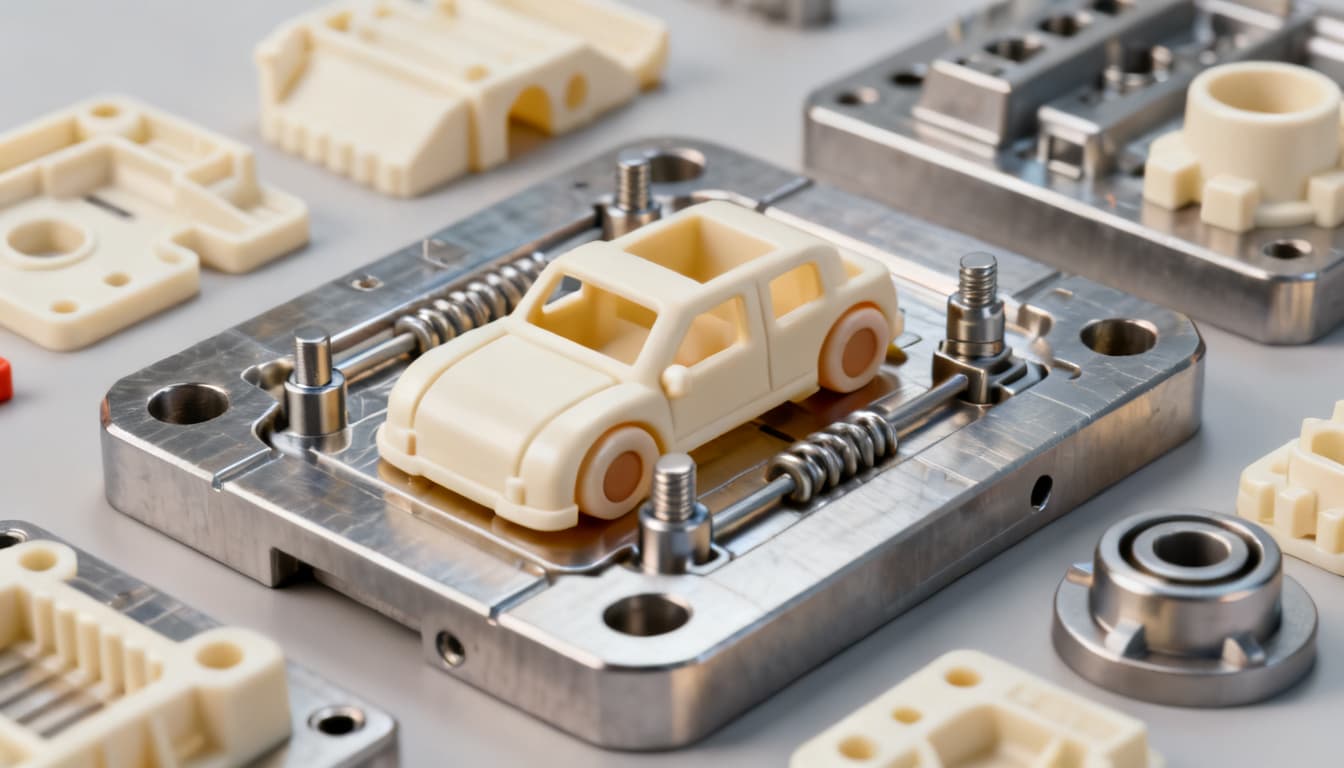
Maximizing Quality and Efficiency: A Guide to Choosing Injection Molded Plastic Toy Parts Suppliers
Choosing the right supplier for injection molded plastic toy parts can make or break your product line. With the right partner, you can ensure high-quality parts, minimize defects, and optimize production costs. However, selecting the wrong supplier can lead to delays, increased costs, and compromis
Maximizing Quality and Efficiency: A Guide to Choosing Injection Molded Plastic Toy Parts Suppliers
Choosing the right supplier for injection molded plastic toy parts can make or break your product line. With the right partner, you can ensure high-quality parts, minimize defects, and optimize production costs. However, selecting the wrong supplier can lead to delays, increased costs, and compromised product quality. This guide will walk you through the key factors to consider when selecting a supplier, ensuring you make an informed decision.
Understanding Material Selection
Material selection is a critical aspect of the injection molding process, impacting both the quality and performance of the final product. Different materials offer varying properties, and choosing the right one depends on the specific requirements of your toy parts.
Common Materials for Toy Parts
| Material | Properties | Applications |
|---|---|---|
| ABS | High impact resistance, good mechanical strength | Action figures, building blocks |
| PP | Good chemical resistance, lightweight | Outdoor toys, water toys |
| PC | High transparency, excellent toughness | Clear parts, lenses |
| PA66 | High strength, heat resistance | Mechanical components, gears |
| POM | Low friction, high stiffness | Bearings, gears |
| TPE | Elastic, flexible | Soft grips, rubber-like parts |
Material Selection Tips
- Consider the mechanical properties required for your toy, such as impact resistance and flexibility.
- Evaluate the environmental conditions the toy will be exposed to, including temperature and humidity.
- Assess the regulatory requirements for toy safety, ensuring materials comply with standards like ASTM F963.
Assessing Supplier Capabilities
Not all suppliers have the same capabilities. It's essential to evaluate their technical expertise, production capacity, and quality control processes.
Technical Expertise
Suppliers with extensive technical knowledge can optimize the injection molding process, reducing cycle times and minimizing defects. Key parameters to look for include:
- Melt Temperature: Typically ranges from 200°C to 260°C depending on the material.
- Mold Temperature: Should be maintained between 40°C and 100°C for optimal part cooling.
- Injection Pressure: Usually between 500 and 1500 bar to ensure proper filling.
Production Capacity
Ensure the supplier has the capacity to meet your production needs, both in terms of volume and lead time. Ask for details on their machinery, such as the number and size of injection molding machines.
Quality Control Processes
A robust quality control process is crucial to minimizing defects and ensuring consistent part quality. Look for suppliers that adhere to ISO 9001 standards and employ techniques like Statistical Process Control (SPC).
Evaluating Cost and Efficiency
Cost is always a consideration, but it's important to balance it with quality and efficiency. A low-cost supplier that produces high defect rates could end up costing more in the long run.
Cost Breakdown
| Cost Component | Percentage of Total Cost |
|---|---|
| Material Cost | 30-50% |
| Processing Cost | 20-40% |
| Tooling Cost | 10-20% |
| Quality Control | 5-10% |
Efficiency Tips
Practical Tip: Optimize cycle time by maintaining an ideal balance between cooling time and part quality. Aim for a cycle time of 30 to 60 seconds for most toy parts.
Common Defects and Solutions
Understanding common injection molding defects and their solutions can help you choose a supplier capable of minimizing these issues.
Common Defects
- Sink Marks: Caused by insufficient cooling or excessive wall thickness. Aim for a wall thickness of 1-3mm and proper cooling channels.
- Warping: Results from uneven cooling. Ensure uniform mold temperature and part design with appropriate draft angles (0.5-2°).
- Flash: Occurs due to excessive injection pressure or poor mold fit. Adjust injection pressure and ensure precise mold alignment.
Defect Mitigation Checklist
- Review part design for consistency in wall thickness.
- Ensure proper mold design and maintenance.
- Optimize injection and holding pressure settings.
- Implement regular quality checks and audits.
Conclusion
Choosing the right supplier for injection molded plastic toy parts requires careful consideration of material selection, supplier capabilities, cost efficiency, and quality control processes. By focusing on these key areas, you can ensure high-quality, cost-effective production of your toy parts. For expert assistance and a free quote, consider reaching out to Panda Molding, a trusted provider in the industry.