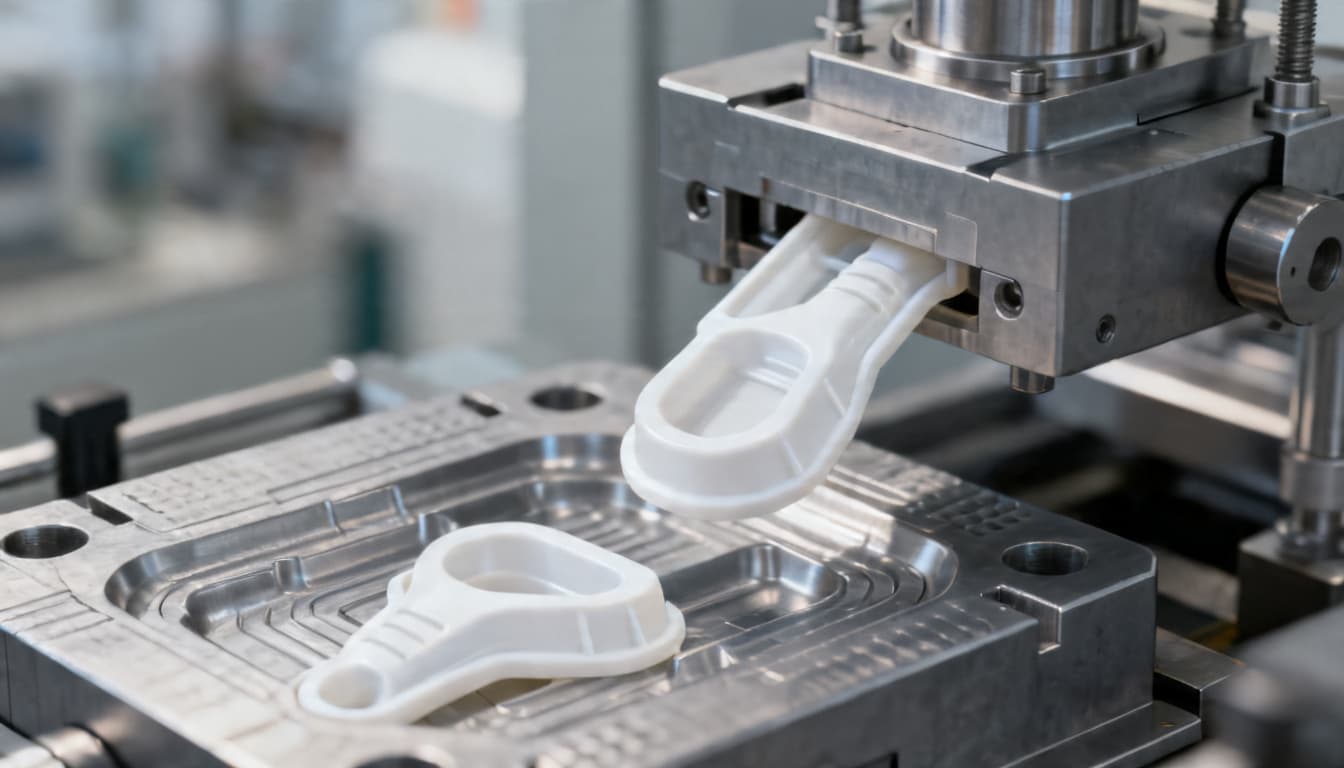
Medical Device Injection Injection Molding
In the high-stakes world of medical device manufacturing, precision and reliability are paramount. A single defect can compromise the safety of a device, making the choice of injection molding parameters critical. Here, we delve into the nuances of medical device injection molding, offering expert i
Optimizing Medical Device Injection Molding: Insights from the Field
In the high-stakes world of medical device manufacturing, precision and reliability are paramount. A single defect can compromise the safety of a device, making the choice of injection molding parameters critical. Here, we delve into the nuances of medical device injection molding, offering expert insights to help you navigate this complex process.
Understanding Material Selection for Medical Devices
Choosing the right material is the cornerstone of successful injection molding for medical devices. Each material offers unique properties that can affect the functionality and safety of the final product.
Common Materials and Their Properties
| Material | Properties | Applications |
|---|---|---|
| Polycarbonate (PC) | High impact resistance, optical clarity | Syringes, surgical instruments |
| Polypropylene (PP) | Good chemical resistance, low cost | IV components, specimen cups |
| Thermoplastic Elastomer (TPE) | Flexibility, soft touch | Catheters, grips |
Material Compatibility and Standards
Material selection must comply with industry standards such as ISO 10993 for biocompatibility. Polycarbonate and polypropylene are often favored for their compliance with these standards, but each application may require specific material testing.
Key Injection Molding Parameters
Precision in setting molding parameters is crucial for achieving the desired quality in medical devices. Below are the primary parameters to consider:
Melt and Mold Temperatures
Maintaining the correct melt temperature is essential for ensuring material flow and part quality. For example, polycarbonate typically requires a melt temperature between 270°C and 320°C, while polypropylene ranges from 190°C to 240°C. Mold temperatures should be set to 80°C - 120°C for PC and 30°C - 60°C for PP to optimize part cooling and surface finish.
Injection Pressure and Cycle Time
Injection pressure impacts the filling of the mold cavity and should be optimized based on material viscosity. Typical injection pressures range from 800 to 1500 bar. A cycle time of 30 to 60 seconds is common, but this can vary depending on part complexity and cooling requirements.
| Parameter | PC | PP |
|---|---|---|
| Melt Temperature (°C) | 270-320 | 190-240 |
| Mold Temperature (°C) | 80-120 | 30-60 |
| Injection Pressure (bar) | 800-1500 | 800-1200 |
| Cycle Time (seconds) | 40-60 | 30-50 |
Design Considerations for Medical Device Molding
Designing for manufacturability is a critical aspect of medical device development. Proper design can minimize defects and improve production efficiency.
Wall Thickness and Draft Angles
Uniform wall thickness is vital for preventing warpage and ensuring structural integrity. A thickness of 1-3mm is recommended. Draft angles of 0.5° to 2° facilitate part ejection, reducing stress on the part and the mold.
Gate Design and Placement
Gate design affects material flow and part quality. For medical devices, pin gates or edge gates are often used to minimize vestige and ensure smooth surfaces. Proper gate placement can reduce flow marks and improve dimensional accuracy.
Common Defects and Solutions
Despite best efforts, defects can occur. Identifying and addressing these issues is crucial for maintaining quality standards.
Warping
Warping is often caused by uneven cooling or improper material selection. Ensuring uniform wall thickness and optimizing cooling time can mitigate this issue. Adjusting mold temperature settings is another effective strategy.
Flash
Flash occurs when excess material escapes the mold cavity. This can be reduced by ensuring proper clamping force and maintaining precise mold alignment. Regular mold maintenance is also essential to prevent wear that can lead to flash.
Process Optimization: Step-by-Step Approach
Optimizing the injection molding process involves a systematic approach:
- Conduct a thorough material analysis, considering biocompatibility and mechanical properties.
- Set initial process parameters based on material data sheets and past experiences.
- Perform trial runs, adjusting parameters such as temperature and pressure to achieve desired part quality.
- Implement a robust quality control system to monitor part dimensions and identify defects early.
- Continuously review and refine the process based on production data and feedback.
Practical Tip: Regularly calibrate your injection molding machines to maintain precision in parameter settings. This can prevent common issues like flash and warping, ensuring consistent part quality.
Conclusion: Key Takeaways for Medical Device Injection Molding
Injection molding for medical devices requires meticulous attention to detail, from material selection to process optimization. By adhering to industry standards and employing a systematic approach to parameter setting and design, manufacturers can produce high-quality, reliable medical components. For further assistance or to get a free quote, reach out to our team of experts at Panda Molding.
In summary, successful medical device injection molding hinges on understanding material properties, optimizing process parameters, and designing for manufacturability. By following these guidelines, you can enhance quality and efficiency in your production processes.