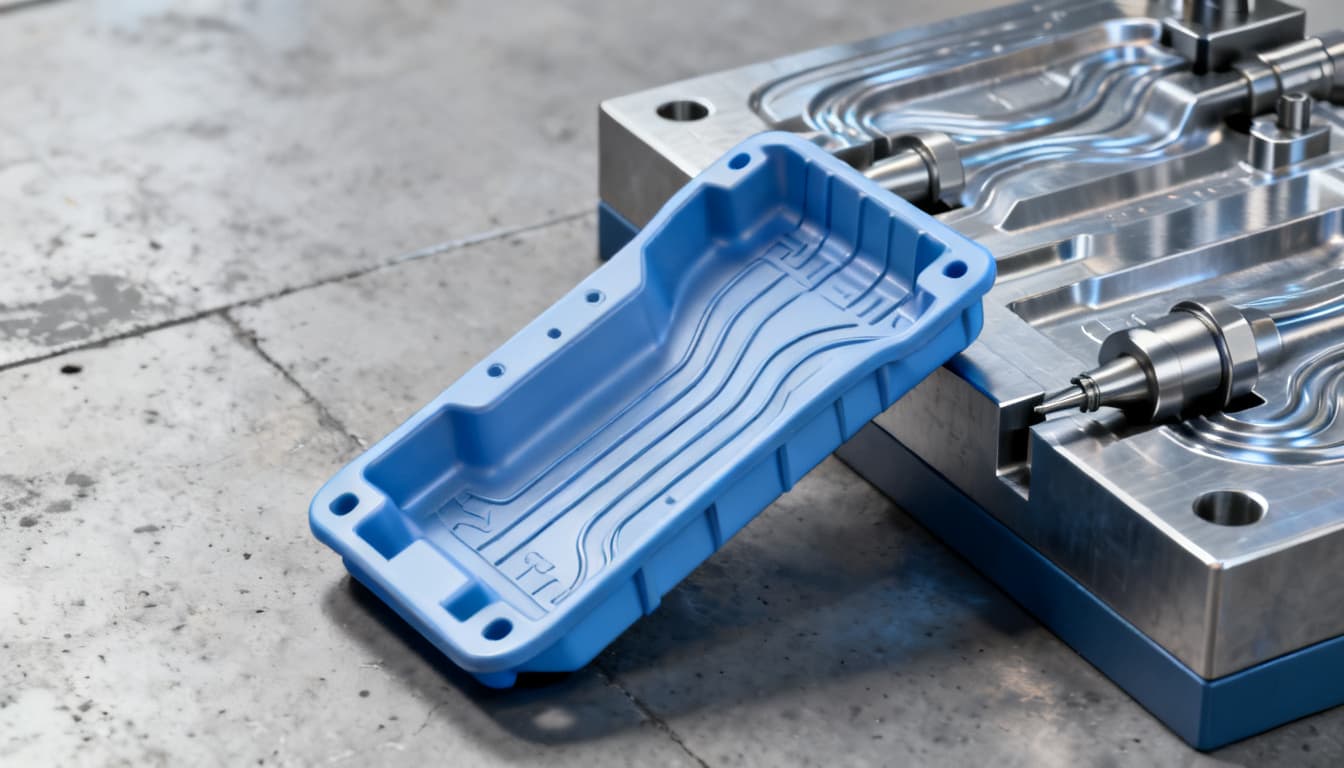
Mold Flow Analysis Demystified: What Every Engineer Should Know
As an injection molding engineer, one of the most perplexing challenges is optimizing the mold design to prevent defects and ensure product quality. Mold flow analysis has emerged as an indispensable tool, offering insights that go beyond trial-and-error approaches. Yet, many engineers still struggl
Mold Flow Analysis Demystified: What Every Engineer Should Know
As an injection molding engineer, one of the most perplexing challenges is optimizing the mold design to prevent defects and ensure product quality. Mold flow analysis has emerged as an indispensable tool, offering insights that go beyond trial-and-error approaches. Yet, many engineers still struggle to harness its full potential. This article aims to demystify mold flow analysis and provide actionable insights for engineers.
Understanding Mold Flow Analysis
Mold flow analysis is a simulation process used to predict the flow of plastic materials during the injection molding process. By visualizing how the molten plastic fills the mold cavity, engineers can preemptively identify potential issues such as air traps, weld lines, and sink marks.
Key Parameters in Mold Flow Analysis
The accuracy of a mold flow analysis heavily relies on understanding and inputting the correct parameters. Critical parameters include:
- Melt Temperature: Typically ranges from 200°C to 280°C for materials like ABS and PC.
- Mold Temperature: Varies between 40°C and 120°C depending on material and part requirements.
- Injection Pressure: Generally between 60 and 140 MPa, although this can vary based on material viscosity and part complexity.
- Cycle Time: Often ranges from 10 to 60 seconds, with a balance needed between cooling time and part quality.
The Role of Material Selection
Material selection plays a pivotal role in mold flow analysis as different plastics exhibit unique flow characteristics. Understanding these differences can aid in choosing the right material for your application.
Material Comparison
| Material | Melt Temperature (°C) | Mold Temperature (°C) | Common Applications |
|---|---|---|---|
| ABS | 220 - 260 | 50 - 80 | Automotive parts, consumer goods |
| PP | 200 - 250 | 40 - 80 | Packaging, textiles |
| PC | 260 - 310 | 80 - 120 | Optical discs, eyewear lenses |
| PA66 | 260 - 290 | 70 - 100 | Engineering components, textiles |
Troubleshooting Common Defects
Despite best efforts, defects can occur. Mold flow analysis helps identify root causes and propose solutions before physical trials.
Defect Causes and Solutions
| Defect | Potential Cause | Solution |
|---|---|---|
| Air Traps | Improper venting, high injection speed | Adjust vent locations, reduce injection speed |
| Weld Lines | Low melt temperature, incorrect gate location | Increase melt temperature, optimize gate placement |
| Sink Marks | Thick sections, inadequate packing pressure | Reduce wall thickness, increase packing pressure |
Design Considerations for Mold Flow Analysis
Effective mold design is crucial for optimizing flow and minimizing defects. Adhering to industry standards can significantly improve outcomes.
Design Rules
- Wall Thickness: Maintain between 1-3mm to balance strength and cooling time.
- Draft Angles: Use 0.5-2° to facilitate easy ejection and reduce stress on the part.
- Gate Design: Ensure gates are appropriately sized and located to promote even flow and minimize weld lines.
Step-by-Step Mold Flow Analysis Process
- Define Objectives: Clearly outline what you aim to achieve with the analysis, such as reducing cycle time or improving part quality.
- Input Accurate Data: Gather precise material properties, part geometry, and processing parameters.
- Run Simulations: Use software tools to simulate the injection process, adjusting parameters as needed.
- Analyze Results: Examine flow patterns, pressure distribution, and potential defect locations.
- Implement Changes: Modify the mold design or processing parameters based on the analysis to optimize performance.
- Validate with Trials: Conduct physical trials to confirm that the simulation predictions align with actual outcomes.
Practical Tip: Always cross-reference simulation results with industry standards such as ISO 294-1 for injection molding to ensure compliance and reliability.
Conclusion
Mold flow analysis is a powerful tool that, when used correctly, can significantly enhance the injection molding process. By understanding how to set up and interpret simulations, engineers can preemptively address potential issues, optimize designs, and improve product quality. While challenges like material selection and defect troubleshooting persist, the insights gained from mold flow analysis enable informed decision-making and continuous improvement.
For more information on how mold flow analysis can benefit your projects, feel free to get a free quote from our expert team at Panda Molding.