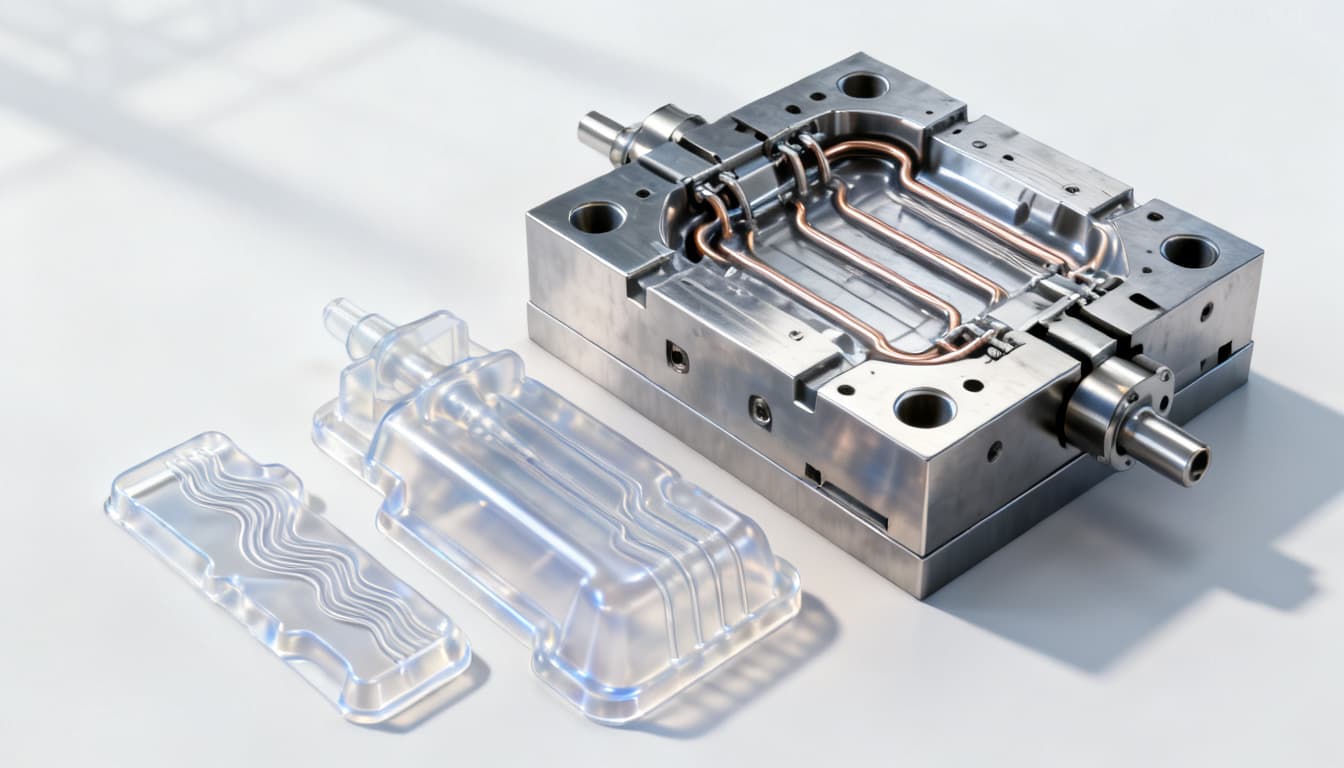
Mold Flow Analysis: The Secret Weapon for Achieving Unmatched Injection Molding Quality
Imagine having the ability to foresee potential defects in your injection molding process before they occur. Mold Flow Analysis (MFA) offers just that—an unparalleled advantage in predicting and mitigating issues, leading to superior product quality and reduced production costs. In this post, we'll
Mold Flow Analysis: The Secret Weapon for Achieving Unmatched Injection Molding Quality
Imagine having the ability to foresee potential defects in your injection molding process before they occur. Mold Flow Analysis (MFA) offers just that—an unparalleled advantage in predicting and mitigating issues, leading to superior product quality and reduced production costs. In this post, we'll delve into the technical intricacies of MFA and how it can be your secret weapon for achieving exceptional injection molding outcomes.
Understanding Mold Flow Analysis
The Basics of Mold Flow Analysis
Mold Flow Analysis is a simulation process used to predict the flow of molten plastic within a mold cavity. By using software tools, engineers can visualize the filling, packing, and cooling phases of the injection molding cycle. This analysis helps in identifying potential problems such as air traps, weld lines, and sink marks.
Key Parameters in Mold Flow Analysis
Critical parameters in MFA include melt temperature, mold temperature, injection pressure, and cycle time. For example, maintaining a melt temperature of 230-260°C for ABS and a mold temperature of 40-80°C can significantly affect the quality of the final product. Similarly, appropriate injection pressure, typically ranging from 60 to 150 MPa, is crucial for ensuring proper cavity filling.
Benefits of Mold Flow Analysis
Enhanced Product Quality
By predicting defects early in the design phase, MFA allows for adjustments that enhance the overall quality of the molded part. For instance, optimizing the gate location can reduce weld lines, while adjusting cooling times can prevent warping.
Cost Efficiency
MFA helps in minimizing material waste and reducing cycle times, which directly translates to cost savings. A well-optimized process can cut down cycle times by 10-20%, significantly impacting the bottom line.
Real-World Applications and Case Studies
Automotive Industry
In the automotive sector, where precision is paramount, MFA is used extensively. For example, optimizing the injection process for a PA66 component can prevent warping, a common defect in automotive parts.
Consumer Electronics
In consumer electronics, where aesthetics are crucial, MFA helps in reducing visible defects like sink marks in PC/ABS blends, ensuring a flawless finish.
Common Mistakes and Solutions
Ignoring Material Properties
One common mistake is overlooking the specific properties of materials such as TPE or POM. Each material has unique flow characteristics that must be considered during MFA.
Misjudging Cooling Time
Inadequate cooling time can lead to warping and shrinkage. For example, increasing the cooling time by just 5 seconds can make a significant difference in the final part quality.
Step-by-Step Mold Flow Analysis Process
- Define the part geometry and choose the appropriate material.
- Set up the mold design, including gate location and runner system.
- Input the processing parameters such as melt temperature, mold temperature, and injection pressure.
- Run the simulation to visualize the filling, packing, and cooling phases.
- Analyze the results to identify potential defects and optimize the design.
- Implement the optimized parameters in the actual production process.
Comparing Materials: A Data-Driven Approach
| Material | Melt Temperature (°C) | Mold Temperature (°C) | Injection Pressure (MPa) |
|---|---|---|---|
| ABS | 230-260 | 40-80 | 60-100 |
| PP | 180-240 | 20-70 | 50-80 |
| PC | 270-320 | 80-120 | 80-140 |
Practical Tip: Always validate the simulation results with a physical prototype to ensure accuracy. This step can help in identifying any discrepancies between the simulated and actual outcomes.
Conclusion
Mold Flow Analysis is an indispensable tool for any injection molding operation aiming for excellence. By understanding and applying MFA, you can significantly enhance product quality, reduce costs, and improve process efficiency. Whether you're working with ABS, PP, or PC, MFA provides the insights needed to optimize your production process.
Ready to see how Mold Flow Analysis can transform your injection molding projects? Get a free quote from Panda Molding today and experience the difference.