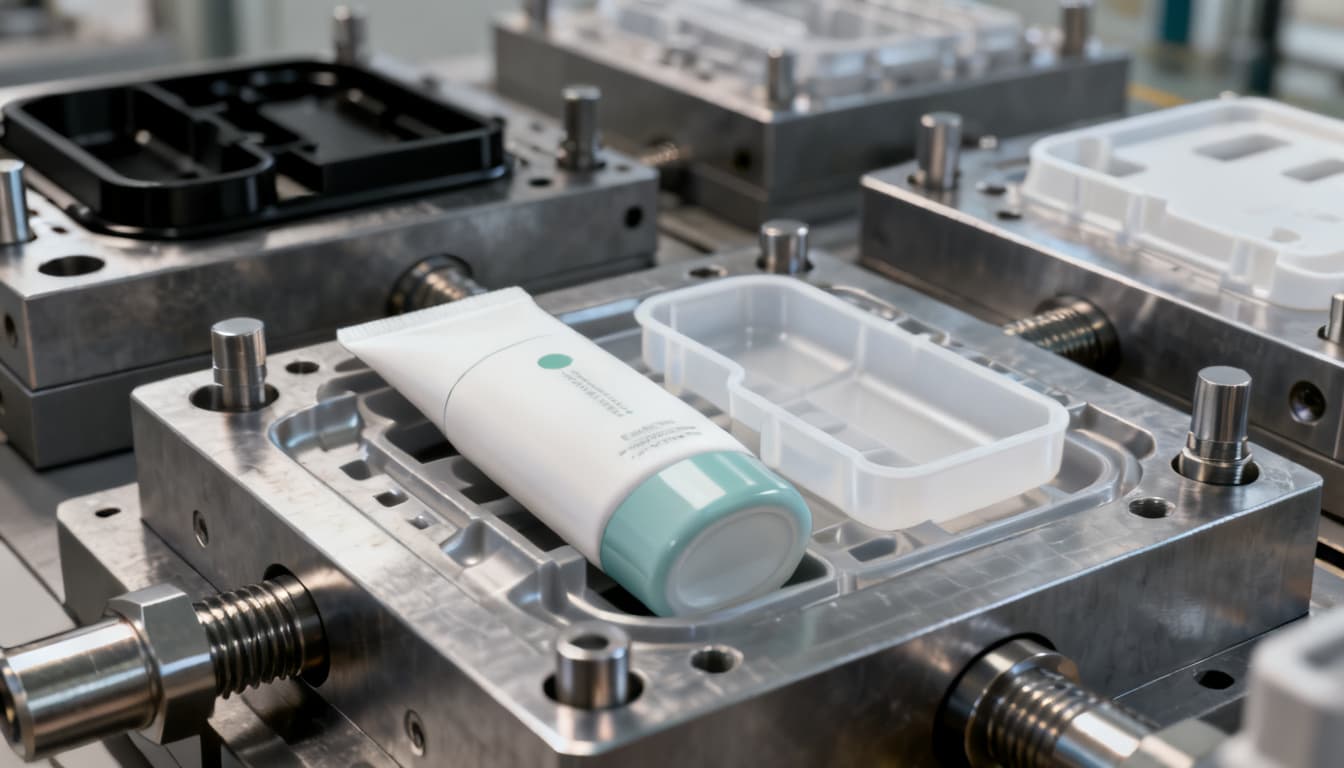
Navigating Health & Beauty Manufacturing Partnerships: Essential Criteria for Selecting the Right Injection Molding Supplier
In the competitive health and beauty industry, the quality of your packaging can directly influence consumer perception and product success. Selecting the right injection molding supplier is crucial to ensure that your packaging meets both aesthetic and functional requirements. But how do you naviga
Navigating Health & Beauty Manufacturing Partnerships: Essential Criteria for Selecting the Right Injection Molding Supplier
In the competitive health and beauty industry, the quality of your packaging can directly influence consumer perception and product success. Selecting the right injection molding supplier is crucial to ensure that your packaging meets both aesthetic and functional requirements. But how do you navigate this complex decision? Let's explore the essential criteria that can guide you to the right partner.
Understanding Material Compatibility
Choosing the correct material for your health and beauty products is pivotal. Each material offers distinct properties that can affect the durability, appearance, and cost of your packaging.
Material Properties and Recommendations
Consider materials such as ABS, PP, and PC, which are commonly used in the health and beauty sector. Here's a comparison of their properties:
| Material | Melt Temperature (°C) | Mold Temperature (°C) | Common Applications |
|---|---|---|---|
| ABS | 220-250 | 60-80 | Bottle caps, cosmetic cases |
| PP | 200-240 | 10-50 | Containers, lids |
| PC | 270-320 | 80-110 | Perfume bottles, cream jars |
Material Selection Checklist
- Identify the primary function of the packaging (e.g., protection, aesthetics).
- Determine the environmental conditions it will face (e.g., temperature, humidity).
- Evaluate compatibility with the product contents.
- Consider cost implications and sustainability.
Evaluating Supplier Expertise
Not all suppliers are created equal. Evaluating the technical expertise and capabilities of your supplier is essential.
Technical Capabilities
Ensure the supplier can handle the specific requirements of your products. Key parameters to consider include:
- Injection Pressure: Typically ranges from 800 to 2000 bar, depending on material and part complexity.
- Cycle Time: Affects production efficiency; typical times range from 15 to 60 seconds.
- Quality Control: Look for adherence to standards like ISO 9001.
Past Performance and References
Request case studies or testimonials from previous clients in the health and beauty industry. This can provide insights into their reliability and quality of work.
Quality Assurance and Defect Management
Quality assurance is a non-negotiable aspect of selecting an injection molding supplier. Defects in packaging can lead to product recalls and brand damage.
Common Defects and Solutions
Be aware of common defects such as warping, sink marks, and flash. Here's a brief guide on their causes and solutions:
| Defect | Cause | Solution |
|---|---|---|
| Warping | Uneven cooling | Optimize cooling rate, adjust mold temperature |
| Sink Marks | Thick sections | Redesign part, adjust packing pressure |
| Flash | Excessive injection pressure | Reduce pressure, ensure proper mold clamping |
Quality Control Processes
Look for suppliers with robust quality control processes, including regular inspections and adherence to standards such as ASTM D6287 for defect analysis.
Cost Management and Transparency
Cost is a critical factor in any manufacturing partnership. However, transparency in pricing and cost management can make or break the relationship.
Cost Breakdown
Ensure that your supplier provides a detailed cost breakdown, including tooling, material, and production costs. This transparency helps in budgeting and cost control.
Hidden Costs
Be wary of hidden costs such as setup fees, maintenance charges, or quality assurance costs. Discuss these upfront to avoid surprises.
Building a Long-term Partnership
Finally, consider the potential for a long-term partnership. A supplier that understands your business and industry can offer invaluable insights and continuous improvement.
Communication and Collaboration
Effective communication is key to a successful partnership. Ensure that your supplier is responsive and open to feedback.
Continuous Improvement
Look for a supplier committed to continuous improvement, with a focus on innovation and adopting new technologies.
Practical Tip: Schedule regular review meetings with your supplier to discuss performance, address issues, and explore opportunities for improvement.
Conclusion
Choosing the right injection molding supplier for your health and beauty products involves careful consideration of material compatibility, supplier expertise, quality assurance, cost management, and the potential for a long-term partnership. By following these criteria, you can ensure that your packaging meets the highest standards and enhances your brand's reputation. For expert guidance and a free quote, get in touch with Panda Molding today.