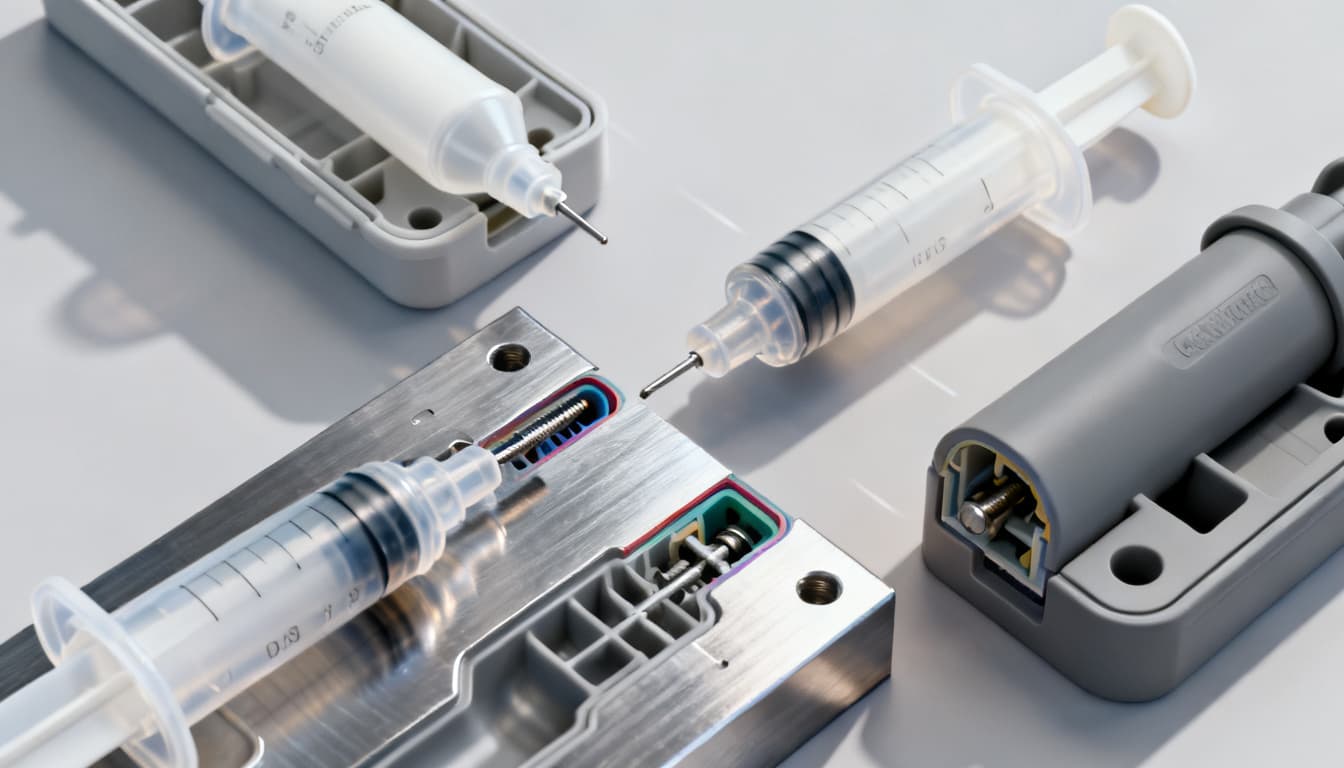
Navigating Medical Device Injection Molding: Essential Strategies for Optimal Design and Production
In the realm of medical device manufacturing, precision and reliability are paramount. The injection molding process for medical devices presents unique challenges that demand meticulous attention to detail and adherence to stringent standards. To achieve optimal design and production, manufacturers
Navigating Medical Device Injection Molding: Essential Strategies for Optimal Design and Production
In the realm of medical device manufacturing, precision and reliability are paramount. The injection molding process for medical devices presents unique challenges that demand meticulous attention to detail and adherence to stringent standards. To achieve optimal design and production, manufacturers must navigate a complex landscape of material selection, process parameters, and regulatory compliance.
Understanding Material Selection for Medical Devices
Choosing the right material is crucial for the functionality and safety of medical devices. The material must exhibit biocompatibility, sterilization compatibility, and mechanical strength.
Comparing Common Materials
Materials such as ABS, PP, PC, and PA66 are often considered for medical applications. Each material offers distinct properties that suit different device requirements.
| Material | Biocompatibility | Sterilization Methods | Mechanical Properties |
|---|---|---|---|
| ABS | Moderate | Gamma, EtO | High impact resistance, good strength |
| PP | High | Gamma, EtO, Autoclave | Good chemical resistance, moderate strength |
| PC | Moderate | Gamma, EtO | Excellent toughness, high strength |
| PA66 | Moderate | Gamma, EtO | High mechanical strength, good wear resistance |
For instance, PP is often favored for its high biocompatibility and versatility in sterilization methods, making it suitable for disposable syringes and containers.
Design Considerations for Medical Device Molding
Designing for manufacturability is critical in medical device injection molding. Adhering to design rules ensures consistency and quality.
Key Design Rules
- Wall Thickness: Maintain uniform wall thickness between 1-3mm to prevent warping and sink marks.
- Draft Angles: Incorporate draft angles of 0.5-2° to facilitate easy ejection from the mold.
- Radii: Use generous radii to reduce stress concentrations and improve flow.
Optimizing Injection Molding Parameters
Setting the correct injection molding parameters is essential to produce high-quality medical devices. Parameters such as melt temperature, mold temperature, and injection pressure must be precisely controlled.
Critical Process Parameters
| Parameter | Recommended Range | Impact on Quality |
|---|---|---|
| Melt Temperature | 220-260°C (depending on material) | Affects material flow and surface finish |
| Mold Temperature | 60-80°C | Influences cooling rate and dimensional stability |
| Injection Pressure | 800-1400 bar | Ensures complete cavity filling |
| Cycle Time | 20-60 seconds | Impacts production efficiency |
For example, maintaining a consistent mold temperature of 70°C can significantly reduce the risk of warping in polycarbonate components.
Regulatory Compliance and Quality Assurance
Compliance with regulatory standards such as ISO 13485 and FDA guidelines is mandatory for medical devices. Quality assurance processes must be robust to meet these standards.
Checklist for Compliance
- Verify material certifications for biocompatibility.
- Ensure process validation and documentation.
- Implement rigorous inspection protocols for dimensional accuracy.
- Conduct regular audits of production facilities.
Common Defects and Solutions in Medical Device Molding
Despite careful planning, defects can occur. Identifying and addressing these defects promptly is essential to maintain quality.
Typical Defects and Remedies
- Flash: Reduce injection pressure and ensure proper mold clamping.
- Burn Marks: Lower melt temperature and increase venting.
- Short Shots: Increase injection pressure and ensure proper material drying.
For instance, burn marks often occur when the melt temperature exceeds 260°C for ABS, necessitating a reduction in temperature and improved venting.
Practical Tip: Regularly calibrate injection molding machines to ensure parameter accuracy and consistency. This practice can significantly reduce the incidence of defects and improve overall product quality.
Conclusion
Successfully navigating the intricacies of medical device injection molding requires a deep understanding of material properties, process parameters, and regulatory requirements. By carefully selecting materials, adhering to design rules, optimizing processing parameters, and ensuring compliance, manufacturers can produce high-quality medical devices that meet industry standards. To explore professional injection molding services tailored to your needs, get a free quote from Panda Molding today.