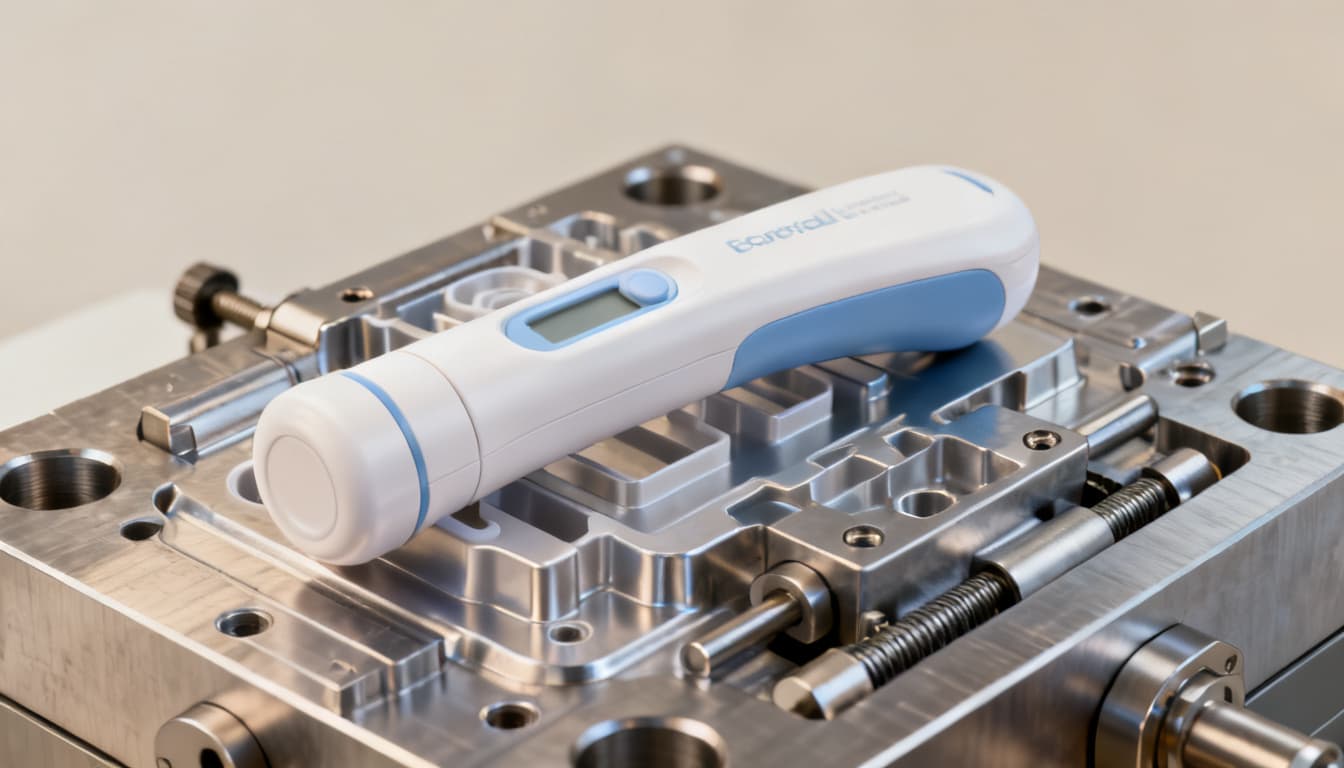
Precision Engineering in Medical Device Injection Molding: Best Practices for Success
Precision in injection molding is not just a desired attribute; it's a critical requirement, especially in the medical device industry where the stakes are high. From ensuring patient safety to meeting stringent regulatory standards, precision engineering plays a pivotal role in the successful produ
Precision Engineering in Medical Device Injection Molding: Best Practices for Success
Precision in injection molding is not just a desired attribute; it's a critical requirement, especially in the medical device industry where the stakes are high. From ensuring patient safety to meeting stringent regulatory standards, precision engineering plays a pivotal role in the successful production of medical devices. This article delves into the best practices for achieving precision in medical device injection molding, supported by technical insights and real-world experience.
Understanding Material Selection
The choice of material is the cornerstone of precision in injection molding, particularly for medical devices that require biocompatibility, sterilization resistance, and mechanical strength.
Common Materials and Their Properties
| Material | Melt Temperature (°C) | Mold Temperature (°C) | Typical Applications |
|---|---|---|---|
| ABS | 220-250 | 50-80 | Housings, enclosures |
| PC | 260-310 | 80-120 | Transparent components |
| PA66 | 260-290 | 80-110 | Structural components |
Choosing the Right Material
When selecting materials, consider the specific application requirements. For instance, Polycarbonate (PC) is ideal for components requiring transparency and impact resistance, while Polyamide 66 (PA66) is preferred for its excellent mechanical properties and resistance to wear and chemicals.
Optimizing Injection Molding Parameters
Precision in injection molding is heavily influenced by the control of processing parameters. Here’s a detailed look at the key parameters and their optimization.
Melt and Mold Temperatures
Maintaining the correct melt temperature is crucial for ensuring material flow and avoiding defects like short shots or burn marks. For instance, ABS typically requires a melt temperature of 220-250°C, while PC demands a higher range of 260-310°C.
Injection Pressure and Cycle Time
Injection pressure directly affects the fill quality of the mold. Too low pressure can lead to incomplete filling, while excessive pressure may cause flashing. A typical injection pressure range for medical grade polymers is 60-120 MPa. Cycle time optimization is equally important, balancing between production efficiency and part quality.
Design Considerations for Precision
Designing for precision involves adhering to specific guidelines that minimize defects and ensure dimensional accuracy.
Wall Thickness and Draft Angles
Maintaining uniform wall thickness between 1-3 mm is critical to avoid warping and sink marks. Additionally, incorporating draft angles of 0.5-2° facilitates easier part ejection and reduces the risk of surface defects.
Common Design Mistakes
Ignoring rib-to-wall thickness ratios or using sharp corners can lead to stress concentrations and potential failure. Design for manufacturability by incorporating fillets and avoiding abrupt changes in wall thickness.
Quality Control and Testing
Ensuring the highest quality standards is non-negotiable in medical device manufacturing. Implementing rigorous quality control measures is essential.
Standards and Certifications
Adhering to industry standards such as ISO 13485 for medical devices and ASTM D638 for tensile properties is crucial for compliance and reliability.
Inspection Techniques
Employ advanced inspection techniques like Coordinate Measuring Machines (CMM) and optical scanners to verify dimensional accuracy and surface quality.
Real-World Challenges and Solutions
Even with the best practices, challenges can arise during the injection molding process. Here are some common issues and their solutions.
Defect Identification and Mitigation
Warpage, sink marks, and voids are common defects that can compromise part integrity. Warpage often results from uneven cooling; thus, ensuring uniform mold temperature and cooling rates is essential.
Case Study: Solving Warpage in Medical Housings
In a recent project involving medical device housings, warpage was mitigated by optimizing the cooling system layout and adjusting the mold temperature to 90°C, achieving a significant reduction in part deformation.
Implementing a Successful Injection Molding Process
- Define the material requirements based on application needs.
- Optimize mold design with appropriate wall thickness and draft angles.
- Set precise injection molding parameters, including melt and mold temperatures.
- Implement robust quality control measures and adhere to industry standards.
- Continuously monitor and improve processes through feedback and testing.
Practical Tip: Always conduct a Design of Experiments (DOE) to understand the interplay between different parameters and their effect on part quality. This approach can significantly enhance precision and reduce trial-and-error cycles.
For expert advice and a tailored solution for your medical device injection molding needs, get a free quote from Panda Molding today.
Conclusion
Precision engineering in medical device injection molding is a multifaceted challenge that requires meticulous attention to material selection, process parameters, and design considerations. By adhering to industry standards and leveraging real-world insights, manufacturers can achieve the high precision required in medical applications. Remember, the key to success lies in continuous improvement and adherence to best practices, ensuring both product quality and patient safety.