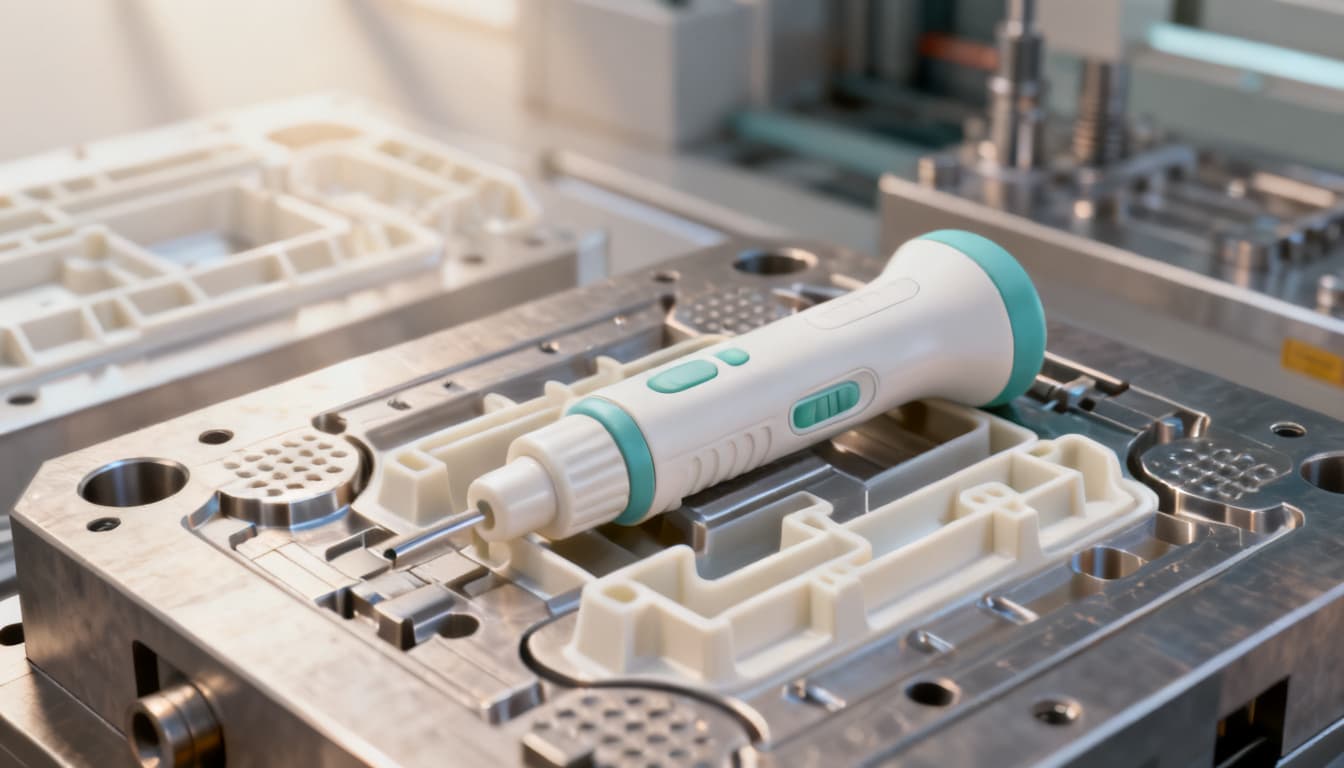
Precision in Medical Device Production: Essential Injection Molding Strategies for Success
Producing medical devices with precision is not just a requirement; it's a critical necessity. In the high-stakes arena of medical manufacturing, even the smallest deviation can lead to significant consequences. The challenge lies in achieving this precision consistently through injection molding, a
Precision in Medical Device Production: Essential Injection Molding Strategies for Success
Producing medical devices with precision is not just a requirement; it's a critical necessity. In the high-stakes arena of medical manufacturing, even the smallest deviation can lead to significant consequences. The challenge lies in achieving this precision consistently through injection molding, a process that must balance numerous variables to succeed.
Understanding Material Selection and Compatibility
Choosing the Right Material
The selection of the appropriate material is paramount in medical device production. Materials such as Polycarbonate (PC), Polypropylene (PP), and Acrylonitrile Butadiene Styrene (ABS) are common due to their biocompatibility and mechanical properties. However, each has its distinct characteristics that influence the molding process.
| Material | Melt Temperature (°C) | Mold Temperature (°C) | Applications |
|---|---|---|---|
| Polycarbonate (PC) | 270-310 | 80-120 | Medical housings, surgical instruments |
| Polypropylene (PP) | 200-250 | 20-80 | Disposable syringes, lab equipment |
| Acrylonitrile Butadiene Styrene (ABS) | 230-260 | 50-80 | Diagnostic devices, enclosures |
Material Compatibility and Testing
Ensuring material compatibility with medical-grade requirements is essential. Testing for biocompatibility and compliance with ISO 10993 standards is a critical step. It's advisable to work closely with material suppliers to obtain necessary certifications and data sheets.
Controlling Process Parameters for Precision
Optimizing Injection Pressure
Injection pressure directly affects the quality and consistency of molded parts. Typically, pressures range from 800 to 1500 bar, but this varies based on material and part design. Maintaining consistent pressure is crucial to avoid defects such as short shots or flash.
Monitoring Cycle Times
Cycle time is a critical factor in production efficiency and part quality. A typical cycle time for medical parts might range from 10 to 30 seconds, depending on complexity and material. Shortening cycle time without compromising quality requires precise control over cooling rates and mold temperatures.
| Parameter | Recommended Range | Impact on Quality |
|---|---|---|
| Injection Pressure | 800-1500 bar | Prevents short shots, ensures fill |
| Cycle Time | 10-30 seconds | Balances productivity and quality |
| Mold Temperature | 50-120°C | Affects part crystallinity and finish |
Design Considerations for Medical Molding
Wall Thickness and Uniformity
Maintaining a uniform wall thickness between 1-3mm is critical to avoid warpage and ensure structural integrity. Uneven walls can lead to differential cooling and potential defects.
Incorporating Draft Angles
Draft angles of 0.5-2° are recommended to facilitate part ejection and reduce surface drag. Proper draft design minimizes the risk of part deformation during ejection.
Addressing Common Injection Molding Defects
Identifying and Solving Short Shots
Short shots occur when the mold cavity isn't completely filled. This can be due to insufficient injection pressure or incorrect material viscosity. Increasing the injection pressure or adjusting the melt temperature within the recommended range can mitigate this issue.
Preventing Flash and Its Causes
Flash is often caused by excessive injection pressure or poor mold clamping. Ensuring proper mold alignment and adjusting pressure settings are effective ways to address this defect.
Quality Assurance and Validation
Implementing Rigorous Testing Protocols
Quality assurance in medical device production involves rigorous testing protocols, including dimensional checks and mechanical testing. Compliance with ISO 13485 ensures that quality management systems are in place to meet regulatory requirements.
Continuous Improvement and Monitoring
Regular process audits and continuous monitoring are essential to maintain high standards. Utilizing process control tools like Statistical Process Control (SPC) can help identify trends and prevent defects before they occur.
Practical Tip: Engage in regular training sessions for your team to keep up with the latest industry standards and technological advancements. This not only improves skill levels but also ensures compliance with evolving medical standards.
Conclusion
Precision in injection molding for medical devices is achieved through meticulous material selection, stringent process control, and adherence to design principles. By understanding and applying these strategies, manufacturers can produce high-quality, reliable medical components that meet stringent regulatory standards. For those looking to enhance their injection molding processes, consider reaching out to experts for guidance or get a free quote from a professional injection molding service like Panda Molding.