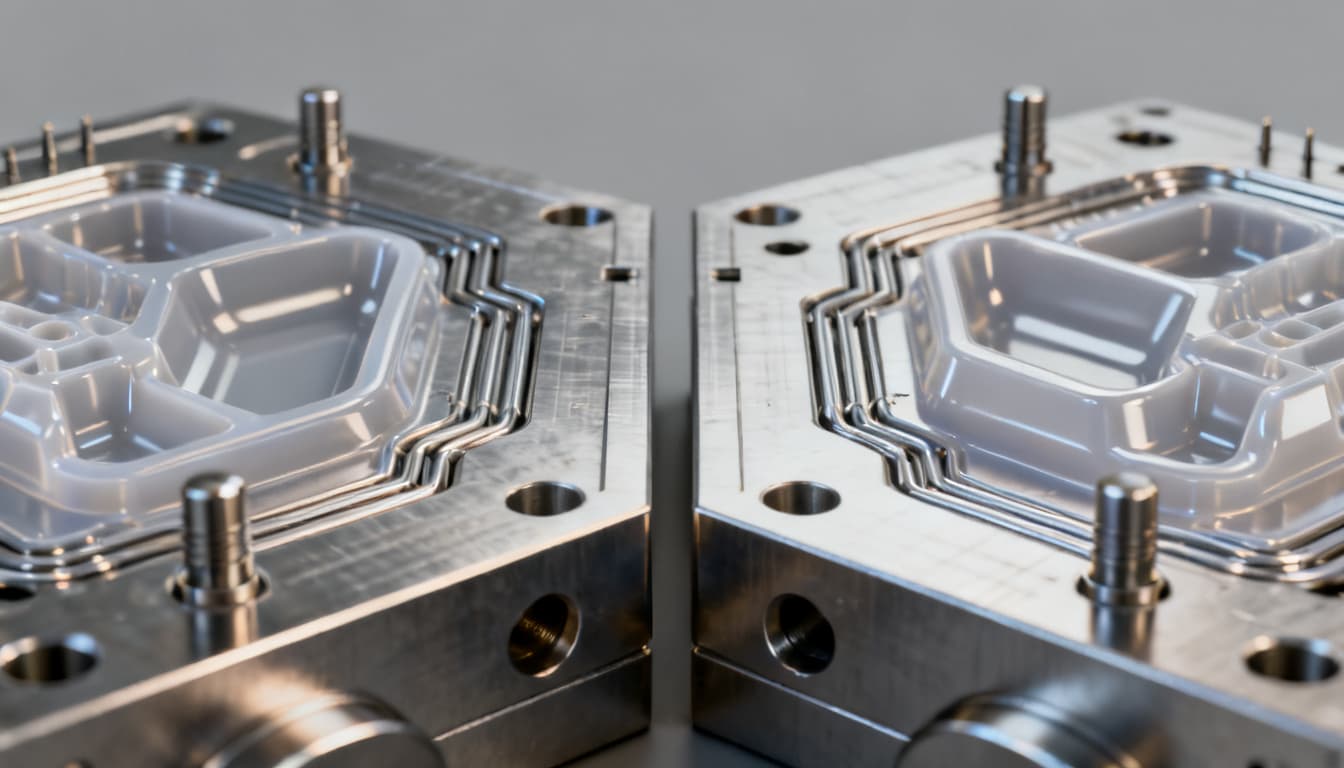
Precision Matters: Best Practices in Shot Injection Molding for Complex Designs
Achieving precision in shot injection molding, especially for intricate designs, is not just a goal—it's a necessity. The stakes are high; a small miscalculation can result in defects or compromised structural integrity. Navigating this complex landscape requires a blend of technical expertise, mate
Precision Matters: Best Practices in Shot Injection Molding for Complex Designs
Achieving precision in shot injection molding, especially for intricate designs, is not just a goal—it's a necessity. The stakes are high; a small miscalculation can result in defects or compromised structural integrity. Navigating this complex landscape requires a blend of technical expertise, material knowledge, and a commitment to quality.
Understanding the Basics: Key Injection Molding Parameters
To optimize precision in complex designs, understanding critical injection molding parameters is essential. These parameters can significantly impact the final product quality.
Melt Temperature
The melt temperature is crucial for ensuring the polymer flows correctly into the mold. For example, ABS typically requires a melt temperature between 210°C and 250°C, while PC (Polycarbonate) needs a higher range of 260°C to 310°C. Deviating from these ranges can lead to improper filling and surface defects.
Mold Temperature
Mold temperature influences the cooling rate and, consequently, the crystallinity of the polymer. For instance, maintaining a mold temperature of 40°C to 80°C for PP (Polypropylene) can enhance surface finish and dimensional stability.
Injection Pressure
Injection pressure ensures the molten plastic fills the mold cavity completely. Pressures typically range from 70 to 140 MPa. Insufficient pressure can cause incomplete filling, while excessive pressure may lead to flash or mold damage.
Cycle Time
Cycle time encompasses the entire process from injection to cooling. For complex designs, optimizing cycle time without sacrificing quality is crucial. A typical cycle time ranges from 20 to 60 seconds, depending on the material and part complexity.
Material Selection: Choosing the Right Polymer for Complex Designs
Material selection is a cornerstone of precision injection molding. Different polymers offer unique properties that can influence the design and manufacturing process.
| Material | Typical Melt Temp (°C) | Advantages | Applications |
|---|---|---|---|
| ABS | 210-250 | High impact resistance, good machinability | Automotive parts, electronic housings |
| PP | 200-250 | Good chemical resistance, lightweight | Packaging, consumer goods |
| PC | 260-310 | High transparency, excellent toughness | Optical lenses, safety helmets |
| PA66 | 260-290 | High mechanical strength, good thermal stability | Gears, bearings |
Design Considerations: Balancing Complexity and Manufacturability
Designing for injection molding requires balancing complexity with manufacturability. Here are some critical design considerations:
Wall Thickness
Uniform wall thickness is essential to avoid defects like warping and sink marks. The recommended range is 1-3mm. Thicker walls can lead to longer cooling times and potential warping.
Draft Angles
Incorporating draft angles of 0.5-2° facilitates easier ejection from the mold, reducing the risk of damaging the part or the mold.
Rib Design
Ribs should be designed with a thickness of 50-60% of the wall thickness to avoid sink marks and maintain structural integrity.
Quality Control: Ensuring Precision and Consistency
Quality control is paramount in maintaining precision and consistency in complex designs. Implementing robust quality measures can prevent defects and ensure high standards.
Process Monitoring
Real-time process monitoring helps in identifying deviations early. Parameters such as temperature, pressure, and cycle time should be continuously tracked.
Inspection Techniques
Utilizing inspection techniques such as CMM (Coordinate Measuring Machines) and non-destructive testing can verify dimensional accuracy and material integrity.
Common Defects and Their Solutions
Understanding common defects and their solutions is critical for achieving precision in complex designs.
Warping
Warping can result from uneven cooling or excessive shrinkage. Solutions include optimizing cooling rates and ensuring uniform wall thickness.
Sink Marks
Sink marks often occur due to thick sections or insufficient packing pressure. Addressing this involves reducing wall thickness and increasing packing pressure.
Flash
Flash occurs when molten plastic escapes the mold cavity. This can be mitigated by ensuring proper mold clamping and maintaining optimal injection pressure.
Step-by-Step Process for Optimizing Injection Molding
- Define the part requirements and select the appropriate material.
- Design the mold with attention to wall thickness and draft angles.
- Set process parameters: melt temperature, mold temperature, and injection pressure.
- Conduct a trial run and monitor process parameters closely.
- Inspect the initial parts for defects and make necessary adjustments.
- Implement quality control measures for ongoing production.
Practical Tip: Always conduct a Design for Manufacturability (DFM) analysis before finalizing the mold design. This can identify potential issues early and reduce costly rework.
Conclusion: Key Takeaways for Precision in Complex Designs
Precision in shot injection molding for complex designs is achievable through a meticulous approach to material selection, design considerations, and process optimization. By adhering to best practices and leveraging expert knowledge, manufacturers can ensure high-quality, defect-free products. For personalized guidance and to get a free quote, consider reaching out to industry experts.
Remember, the journey to precision is ongoing, and staying informed about industry standards and technological advancements is crucial for success.