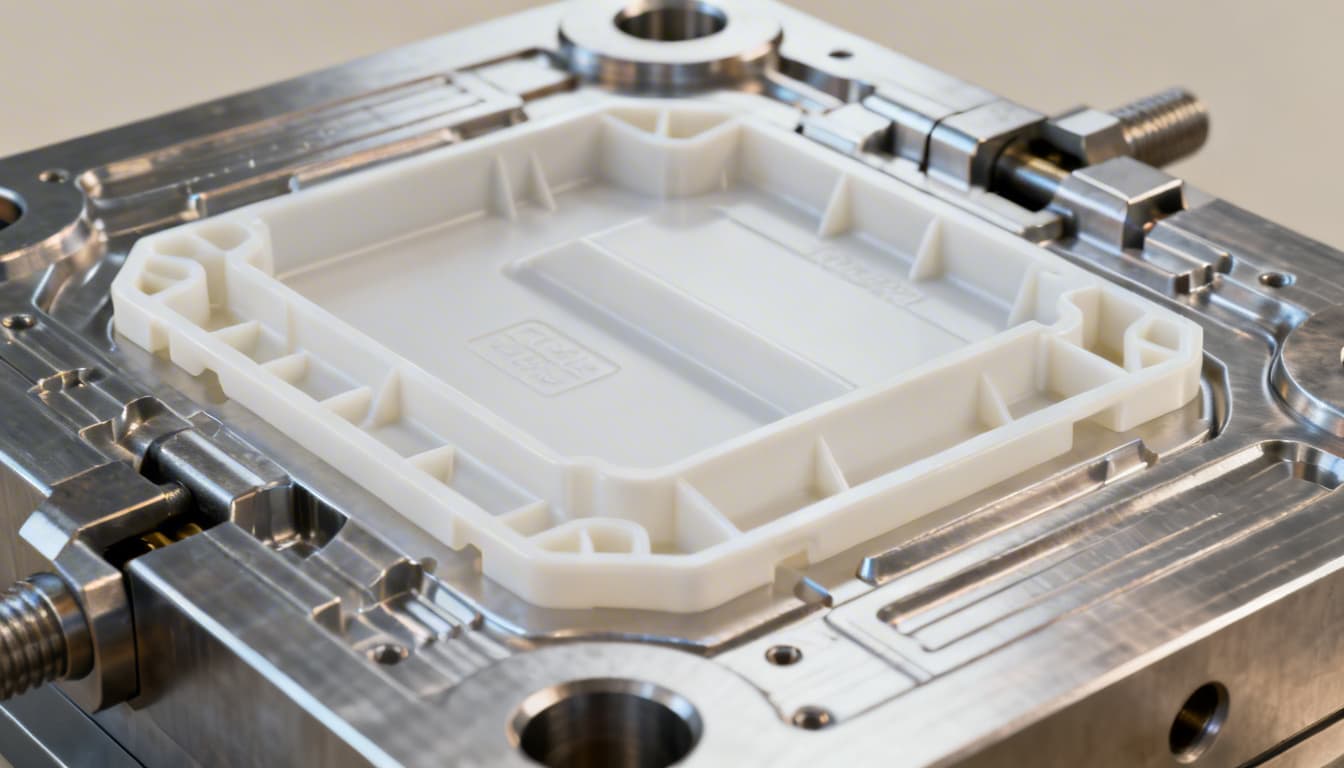
Preventing 11 Common Injection Molding Defects: A Step-by-Step Guide for Engineers
Injection molding is a precise manufacturing process that can be plagued by defects if not carefully controlled. Understanding the causes and solutions for common defects is crucial for engineers aiming to produce high-quality parts consistently. In this guide, we'll explore 11 frequent defects and
Preventing 11 Common Injection Molding Defects: A Step-by-Step Guide for Engineers
Injection molding is a precise manufacturing process that can be plagued by defects if not carefully controlled. Understanding the causes and solutions for common defects is crucial for engineers aiming to produce high-quality parts consistently. In this guide, we'll explore 11 frequent defects and provide actionable steps to prevent them, ensuring your projects run smoothly and efficiently.
1. Sink Marks
Sink marks appear as depressions on the surface of a molded part, often due to uneven cooling or insufficient packing pressure.
Causes
- Thick sections cooling slower than thin sections
- Insufficient packing pressure
- Improper mold temperature
Solutions
- Ensure uniform wall thickness (1-3mm) across the part.
- Increase packing pressure to 50-70% of the injection pressure.
- Optimize mold temperature, typically between 70-90°C for ABS.
2. Warping
Warping results in a distorted part shape, often caused by differential shrinkage.
Causes
- Non-uniform cooling rates
- Inconsistent material flow
- Inadequate mold design
Solutions
- Use symmetrical part design to promote even cooling.
- Optimize cooling time to ensure uniformity, generally 20-30 seconds for PP.
- Adjust mold temperature to maintain consistency.
3. Flash
Flash occurs when excess material is forced into the parting line of the mold, creating thin protrusions.
Causes
- Excessive injection pressure
- Damaged mold surfaces
- Improper clamping force
Solutions
- Reduce injection pressure to appropriate levels, typically 50-80 MPa.
- Regularly inspect and maintain mold surfaces.
- Ensure adequate clamping force to keep the mold closed.
4. Short Shots
Short shots occur when the mold cavity is not completely filled, resulting in incomplete parts.
Causes
- Insufficient material flow
- Low injection pressure
- Improper venting
Solutions
- Increase injection pressure to ensure full cavity filling.
- Optimize melt temperature, typically 230-260°C for PC.
- Ensure proper venting to allow air to escape during filling.
5. Weld Lines
Weld lines occur where two flow fronts meet, often compromising part strength.
Causes
- Low melt temperature
- Inadequate injection speed
- Poor gate design
Solutions
- Increase melt temperature to improve flow, generally 250-270°C for PA66.
- Optimize injection speed to ensure seamless flow front merging.
- Redesign gate locations to minimize weld lines.
Material Properties Comparison
| Material | Melt Temperature (°C) | Tensile Strength (MPa) | Applications |
|---|---|---|---|
| ABS | 200-250 | 40-50 | Consumer goods, automotive parts |
| PP | 180-240 | 25-35 | Packaging, textiles |
| PC | 270-310 | 60-70 | Optical discs, eyewear |
6. Burn Marks
Burn marks are discolorations on the surface of the part, usually caused by trapped air or overheating.
Causes
- Excessive injection speed
- Poor venting
- High melt temperature
Solutions
- Reduce injection speed to allow air to escape.
- Improve venting to release trapped air.
- Lower melt temperature within the recommended range.
7. Voids
Voids are air pockets within the part, weakening its structure.
Causes
- Inadequate packing pressure
- High moisture content in the material
- Improper cooling rates
Solutions
- Increase packing pressure to eliminate voids.
- Pre-dry materials to remove moisture, especially for hygroscopic polymers like PA66.
- Optimize cooling rates to reduce void formation.
8. Jetting
Jetting occurs when the molten material enters the mold cavity in a turbulent manner, causing a wavy surface.
Causes
- High injection speed
- Low melt temperature
- Improper gate design
Solutions
- Reduce injection speed to ensure smooth flow.
- Increase melt temperature for better material flow.
- Redesign gate to promote laminar flow.
9. Delamination
Delamination is the peeling of surface layers, often caused by contamination or incompatible materials.
Causes
- Contaminants in the material
- Use of incompatible materials
- Excessive moisture
Solutions
- Ensure materials are clean and free from contaminants.
- Use compatible materials to prevent delamination.
- Properly dry materials before processing.
10. Surface Defects
Surface defects include blemishes and scratches that affect the part's appearance.
Causes
- Improper mold surface finish
- Part ejection issues
- Inadequate mold release agent
Solutions
- Polish mold surfaces to the desired finish.
- Ensure proper ejection mechanisms to avoid scratches.
- Apply appropriate mold release agents.
11. Bubbles
Bubbles are trapped gas pockets within the part, often caused by high melt temperatures or moisture.
Causes
- High melt temperature
- Moisture in the material
- Insufficient venting
Solutions
- Lower melt temperature to reduce gas formation.
- Pre-dry materials to remove moisture.
- Improve venting to allow gases to escape.
Injection Molding Process Parameters
| Parameter | ABS | PP | PC |
|---|---|---|---|
| Melt Temperature (°C) | 200-250 | 180-240 | 270-310 |
| Mold Temperature (°C) | 70-90 | 30-50 | 80-100 |
| Injection Pressure (MPa) | 50-80 | 50-70 | 80-120 |
| Cycle Time (s) | 30-60 | 20-30 | 40-70 |
Practical Tips: Regularly monitor process parameters and make incremental adjustments. Always keep a detailed log of changes and their effects on the final product. This practice helps in quickly identifying and rectifying issues, ensuring high-quality output consistently.
Conclusion
Preventing defects in injection molding requires a deep understanding of the process, materials, and design principles. By following the outlined steps and maintaining rigorous quality control, engineers can mitigate common issues and enhance the reliability of their products. For professional assistance and to ensure optimal results, consider utilizing services like Panda Molding for expert support and guidance.