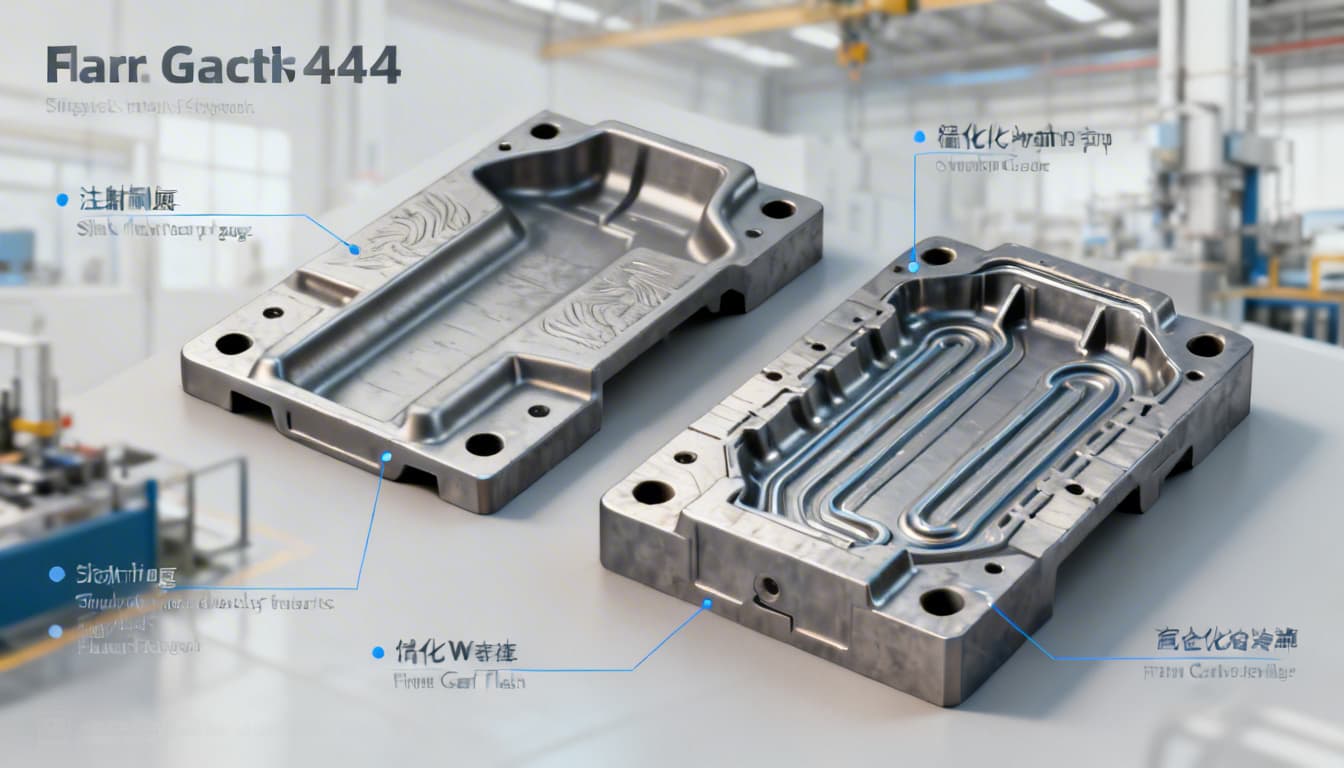
Preventing Production Pitfalls: 11 Injection Molding Defects and Proactive Solutions
Imagine investing significant resources into an injection molding project, only to face unexpected defects that could have been prevented. Understanding common injection molding defects and their solutions is crucial for maintaining product quality and minimizing waste. In this article, we delve int
Preventing Production Pitfalls: 11 Injection Molding Defects and Proactive Solutions
Imagine investing significant resources into an injection molding project, only to face unexpected defects that could have been prevented. Understanding common injection molding defects and their solutions is crucial for maintaining product quality and minimizing waste. In this article, we delve into 11 prevalent defects and proactive measures to tackle them effectively.
1. Warping
Warping is a deformation that occurs when different parts of a molded component cool unevenly, leading to a twisted or bent shape.
Causes and Solutions
- Uneven Cooling: Ensure uniform mold temperature. Maintain mold temperatures between 20°C and 80°C depending on the material.
- Material Selection: Choose materials with low shrinkage rates, such as PC or POM.
- Design Considerations: Maintain consistent wall thickness (1-3mm) and apply appropriate draft angles (0.5-2°).
2. Sink Marks
Sink marks are depressions on the surface of a molded part, often due to excessive material shrinkage in thick sections.
Causes and Solutions
- Thick Sections: Redesign parts to have uniform wall thickness.
- Cooling Time: Increase cooling time and pressure. Typical cooling time ranges from 20 to 60 seconds.
- Injection Pressure: Use higher injection pressures, ideally between 50 and 150 MPa.
3. Short Shots
Short shots occur when the mold cavity is not completely filled, resulting in incomplete parts.
Causes and Solutions
- Insufficient Material Flow: Increase melt temperature (typically 200°C to 260°C for PP) and injection speed.
- Inadequate Venting: Ensure proper venting to allow air to escape from the mold.
4. Flash
Flash is excess plastic that extends from the parting line of the mold, often due to excessive injection pressure or poor mold alignment.
Causes and Solutions
- Mold Alignment: Regularly check and maintain mold alignment.
- Injection Pressure: Adjust injection pressure to optimal levels, avoiding excess pressure.
5. Burn Marks
Burn marks appear as dark or blackened areas on the surface of the part, typically caused by trapped air or overheating.
Causes and Solutions
- Trapped Air: Improve venting and reduce injection speed.
- Overheating: Lower melt temperature and reduce injection speed.
6. Flow Lines
Flow lines are patterns on the surface of a molded part, indicating the flow of the molten material during injection.
Causes and Solutions
- Injection Speed: Increase injection speed to ensure consistent flow.
- Melt Temperature: Optimize melt temperature for smooth material flow.
7. Delamination
Delamination is the separation of layers in a molded part, often due to contamination or incompatible materials.
Causes and Solutions
- Material Contamination: Ensure clean material handling and storage.
- Material Compatibility: Verify material compatibility before molding.
8. Jetting
Jetting manifests as a squiggly pattern on the surface of the part, caused by the jet of molten plastic entering the mold cavity.
Causes and Solutions
- Injection Speed: Reduce injection speed to minimize jetting.
- Gate Design: Optimize gate location and size to ensure smooth flow.
9. Weld Lines
Weld lines are visible lines on the surface where two flow fronts meet, often weakening the part.
Causes and Solutions
- Material Temperature: Increase melt temperature to ensure better fusion.
- Injection Speed: Adjust injection speed to promote seamless merging of flow fronts.
10. Voids
Voids are air pockets within the molded part, often due to inadequate packing pressure or material cooling.
Causes and Solutions
- Packing Pressure: Increase packing pressure to eliminate voids.
- Cooling Rate: Ensure consistent cooling rate to prevent void formation.
11. Discoloration
Discoloration is an unwanted change in the color of the molded part, often due to thermal degradation or contamination.
Causes and Solutions
- Thermal Degradation: Monitor and control melt temperature to prevent degradation.
- Material Handling: Ensure materials are free from contamination.
Material Comparison Table
| Material | Typical Melt Temp (°C) | Shrinkage Rate (%) | Common Applications |
|---|---|---|---|
| ABS | 220-260 | 0.5-0.7 | Consumer electronics, automotive parts |
| PP | 200-250 | 1.0-2.5 | Packaging, household goods |
| PC | 260-320 | 0.5-0.7 | Optical lenses, medical devices |
Process Parameters Table
| Parameter | Recommended Range | Notes |
|---|---|---|
| Melt Temperature (°C) | 200-320 | Varies by material |
| Injection Pressure (MPa) | 50-150 | Adjust based on material viscosity |
| Cooling Time (seconds) | 20-60 | Depends on part thickness and material |
Checklist for Preventing Injection Molding Defects
- Ensure uniform mold temperature.
- Choose materials with appropriate shrinkage rates.
- Maintain consistent wall thickness and apply correct draft angles.
- Optimize injection pressure and speed.
- Ensure proper material handling to avoid contamination.
- Regularly maintain and align molds.
Practical Tips: Always conduct a trial run with new materials or designs to identify potential issues before full-scale production. Regularly review process parameters and adjust as necessary to accommodate material and design changes.
By understanding and addressing these common injection molding defects, manufacturers can enhance product quality and reduce production costs. For expert guidance and reliable injection molding services, get a free quote from Panda Molding.
Conclusion
Preventing injection molding defects requires a proactive approach, combining technical knowledge, material expertise, and meticulous process control. By identifying potential pitfalls and implementing the solutions discussed, manufacturers can ensure a smoother production process, resulting in high-quality, defect-free parts. Remember, the key to success in injection molding lies in understanding the intricacies of the process and continuously refining techniques based on real-world experience and feedback.