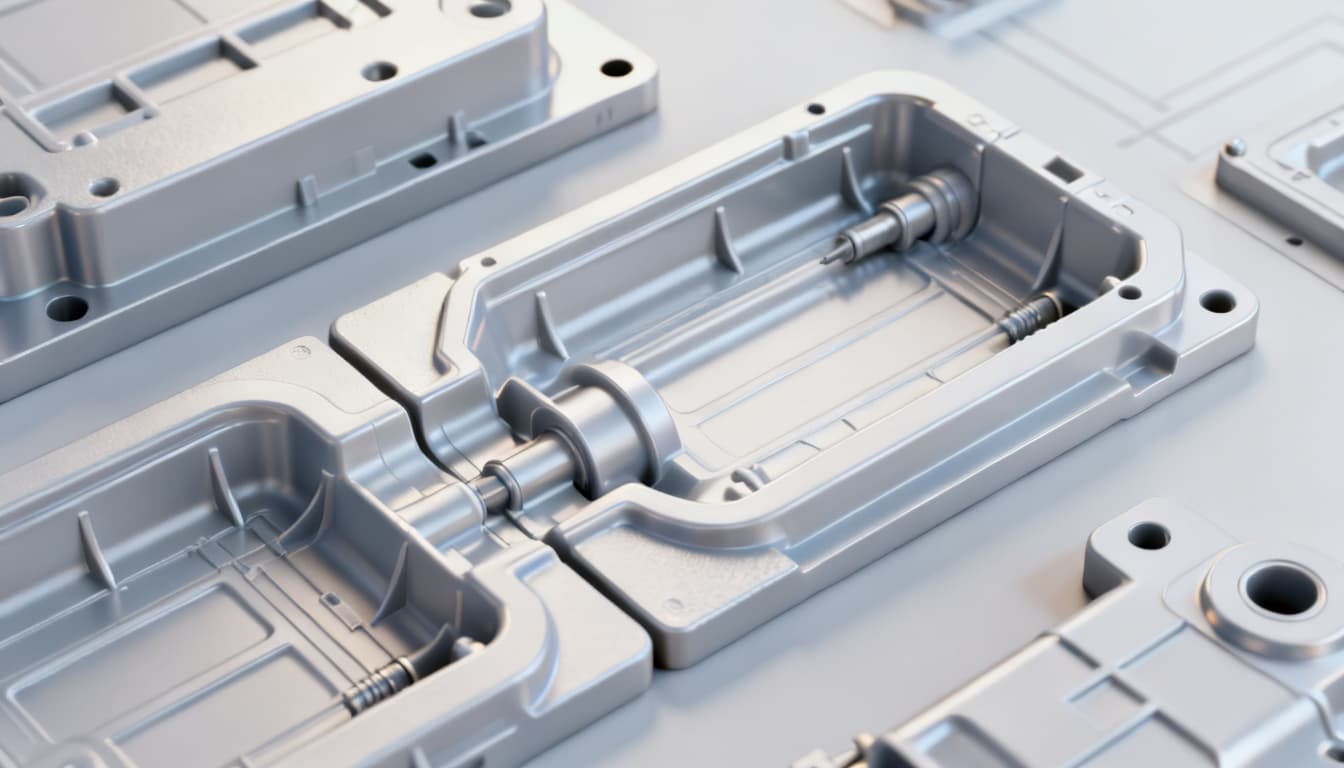
Quality Assurance: Ensuring Safe Plastic Components for Consumer Confidence
In today's competitive market, consumer confidence is paramount. A single defect in a plastic component can lead to significant setbacks, not only in terms of financial loss but also in brand reputation. Ensuring the quality of plastic components through rigorous quality assurance processes is essen
Quality Assurance: Ensuring Safe Plastic Components for Consumer Confidence
In today's competitive market, consumer confidence is paramount. A single defect in a plastic component can lead to significant setbacks, not only in terms of financial loss but also in brand reputation. Ensuring the quality of plastic components through rigorous quality assurance processes is essential for maintaining consumer trust and meeting industry standards.
Understanding the Importance of Quality Assurance in Injection Molding
Quality assurance (QA) in injection molding is more than just a final inspection step. It is a comprehensive approach that begins with material selection and continues through every phase of production. The goal is to ensure that each plastic component meets stringent specifications and performs reliably in its intended application.
Material Selection: The Foundation of Quality
Selecting the right material is critical for achieving the desired properties in a finished product. Common materials used in injection molding include ABS, PP, PC, PA66, POM, and TPE. Each material offers distinct advantages and trade-offs in terms of strength, flexibility, temperature resistance, and cost.
| Material | Strength | Flexibility | Temperature Resistance | Cost |
|---|---|---|---|---|
| ABS | High | Moderate | -20°C to 80°C | Medium |
| PP | Moderate | High | 0°C to 100°C | Low |
| PC | Very High | Low | -40°C to 120°C | High |
| PA66 | High | Low | -40°C to 150°C | High |
Process Parameters: Fine-Tuning for Precision
Injection molding involves a series of controlled processes, each with specific parameters that must be meticulously calibrated to ensure quality. Key parameters include melt temperature, mold temperature, injection pressure, and cycle time.
Optimizing Melt and Mold Temperatures
The melt temperature must be carefully controlled to ensure proper flow and fill of the mold. For example, ABS typically requires a melt temperature of 220°C to 250°C, while PP needs 180°C to 230°C. Mold temperature, on the other hand, affects surface finish and dimensional stability. ABS molds are usually kept at 50°C to 70°C, whereas PP molds are maintained at 20°C to 60°C.
Managing Injection Pressure and Cycle Time
Injection pressure is crucial for filling the mold completely and achieving the desired part density. Typical pressures range from 500 to 1500 bar, depending on the material and part design. Cycle time, the duration from the start of injection to part ejection, impacts productivity and cost. Shorter cycle times are preferred but should not compromise quality.
| Parameter | ABS | PP | PC | PA66 |
|---|---|---|---|---|
| Melt Temperature (°C) | 220-250 | 180-230 | 270-310 | 260-290 |
| Mold Temperature (°C) | 50-70 | 20-60 | 80-120 | 80-120 |
| Injection Pressure (bar) | 500-1000 | 400-800 | 800-1500 | 800-1200 |
| Cycle Time (seconds) | 30-60 | 20-40 | 40-80 | 30-70 |
Common Defects and Their Solutions
Despite the best efforts, defects can occur during injection molding. Understanding common defects and their root causes is essential for implementing effective solutions.
Warping and Shrinkage
Warping occurs when there is uneven cooling or shrinkage across the part. This can be mitigated by ensuring uniform wall thickness (typically 1-3mm) and proper cooling channel design. Adjusting mold temperature and cycle time can also help.
Flash and Burrs
Flash and burrs are excess materials that form at the parting line or edges of the mold. Ensuring proper mold clamping force and maintaining mold integrity can prevent such defects. Regular mold maintenance and inspection are also crucial.
Sink Marks and Voids
Sink marks and voids are depressions or hollow areas that occur due to improper packing or cooling. Increasing packing pressure and cooling time, as well as optimizing gate design, can reduce these defects.
Implementing a Quality Assurance Checklist
- Material Verification: Confirm material properties and specifications before use.
- Machine Calibration: Regularly calibrate machines to ensure accurate parameter settings.
- Process Monitoring: Continuously monitor process parameters using sensors and software.
- Defect Analysis: Conduct root cause analysis for any defects and implement corrective actions.
- Final Inspection: Perform detailed inspections of finished parts for compliance with design and quality standards.
Practical Tips for Quality Assurance
- Invest in high-quality molds with precise tolerances to minimize defects.
- Utilize simulation software to predict potential issues before production.
- Implement a robust preventive maintenance program for all equipment.
- Train personnel regularly on the latest quality assurance techniques and technologies.
Conclusion: Building Consumer Confidence through Quality
Ensuring the quality of plastic components is a multifaceted endeavor that requires expertise, precision, and commitment. By selecting the right materials, optimizing process parameters, and implementing a comprehensive quality assurance strategy, manufacturers can produce safe and reliable components that inspire consumer confidence. For more information or to discuss your injection molding needs, get a free quote from Panda Molding today.