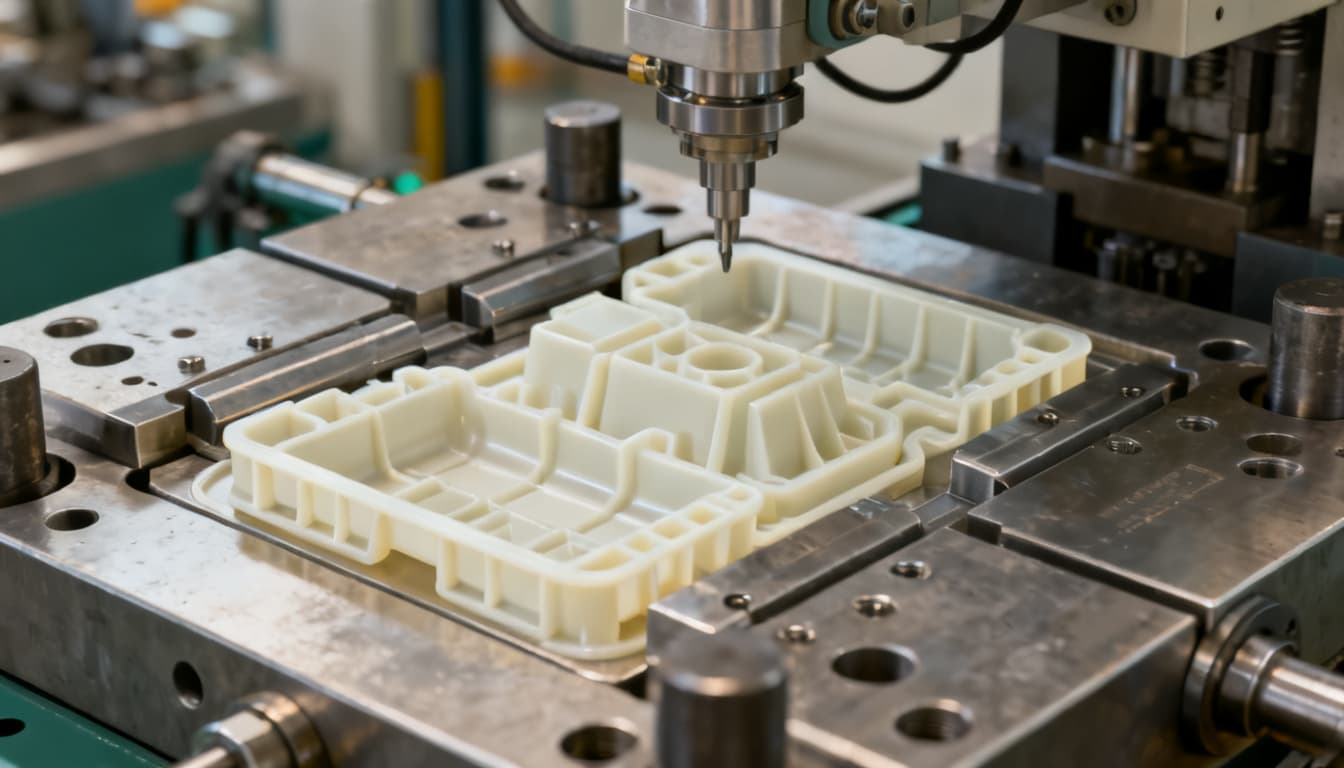
Standard Injection Molding: Troubleshooting Common Issues for Enhanced Production Efficiency
When injection molding operations face inefficiencies, it can result in costly delays and substandard product quality. Understanding how to troubleshoot common injection molding issues is crucial for maintaining production efficiency and ensuring high-quality output.
Standard Injection Molding: Troubleshooting Common Issues for Enhanced Production Efficiency
When injection molding operations face inefficiencies, it can result in costly delays and substandard product quality. Understanding how to troubleshoot common injection molding issues is crucial for maintaining production efficiency and ensuring high-quality output.
Understanding Common Injection Molding Defects
Injection molding is a complex process that involves several variables. Common defects such as warping, sink marks, and short shots can arise, impacting the final product's quality and performance.
Warping
Warping occurs when different parts of a molded component cool at different rates, causing uneven shrinkage. This can lead to a distorted or twisted part.
- Causes: Uneven cooling, inappropriate mold design, or unsuitable material selection.
- Solutions: Ensure uniform wall thickness (ideally 1-3mm), optimize cooling time, and select materials with low shrinkage rates such as ABS or PC.
Sink Marks
Sink marks manifest as depressions on the surface of a molded part, often due to insufficient material in thicker sections.
- Causes: Inadequate packing pressure, high melt temperature, or excessive wall thickness.
- Solutions: Increase packing pressure, reduce melt temperature (e.g., for PP, maintain 180-220°C), and maintain uniform wall thickness.
Short Shots
Short shots are incomplete parts resulting from insufficient material filling the mold cavity.
- Causes: Low injection pressure, inadequate venting, or incorrect material flow.
- Solutions: Increase injection pressure (typically 800-1400 bar), improve venting, and ensure proper material flow.
Optimizing Process Parameters
Adjusting process parameters is key to resolving defects and optimizing production efficiency.
Melt Temperature
Maintaining the correct melt temperature is crucial for material flow and part quality. Here's a comparison of recommended melt temperatures for common materials:
| Material | Melt Temperature (°C) |
|---|---|
| ABS | 210-250 |
| PP | 180-220 |
| PC | 270-310 |
| PA66 | 260-290 |
Mold Temperature
Setting the right mold temperature ensures proper cooling and crystallization. The table below outlines recommended mold temperatures:
| Material | Mold Temperature (°C) |
|---|---|
| ABS | 50-70 |
| PP | 20-70 |
| PC | 80-100 |
| PA66 | 80-120 |
Design Considerations for Quality Control
Design plays a pivotal role in preventing defects and ensuring efficient production.
Wall Thickness
Uniform wall thickness is essential to avoid warping and sink marks. Aim for a consistent thickness between 1-3mm.
Draft Angles
Incorporating appropriate draft angles (0.5-2°) facilitates easier part ejection and reduces the risk of surface defects.
Step-by-Step Troubleshooting Process
- Identify the Defect: Examine the molded part for visible defects such as warping or short shots.
- Analyze Process Parameters: Review melt temperature, mold temperature, and injection pressure settings.
- Evaluate Material Selection: Ensure the material used is suitable for the design and application.
- Inspect Mold Design: Check for uniform wall thickness and proper venting.
- Implement Solutions: Adjust process parameters and make necessary design modifications.
Practical Tips for Enhanced Efficiency
Tip: Regularly inspect and maintain molds to prevent wear and tear. Consistent maintenance can reduce downtime and improve cycle times.
Conclusion
By understanding and addressing common injection molding issues, manufacturers can significantly enhance production efficiency and product quality. Implementing the correct process parameters, selecting suitable materials, and adhering to design guidelines are critical steps in troubleshooting and optimizing injection molding operations. For tailored advice and professional injection molding services, get a free quote from Panda Molding today.