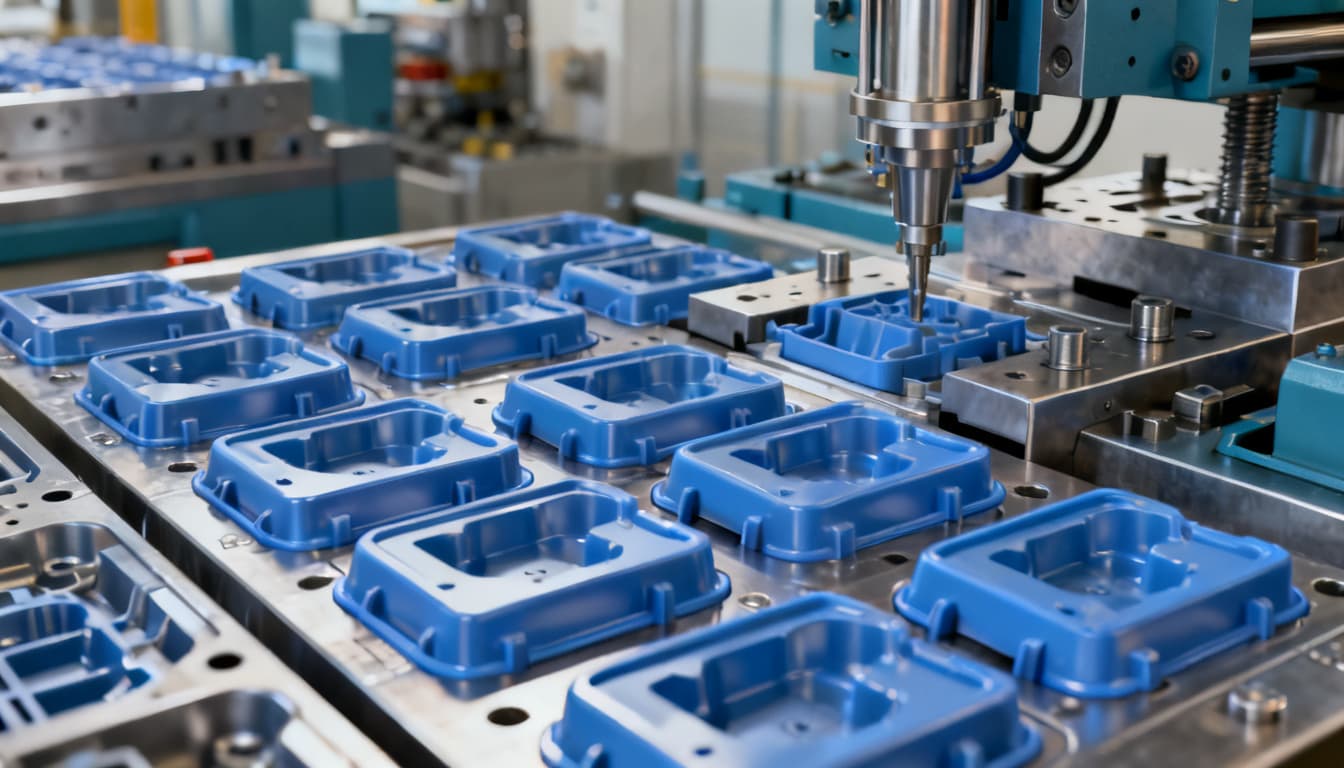
Streamlining High Volume Injection Molding: Cost-Reduction Strategies for Efficient Production
High-volume injection molding presents unique challenges, particularly when it comes to maintaining cost efficiency without compromising quality. For manufacturers, optimizing production parameters and strategic material selection are key to reducing costs. This article delves into practical strateg
Streamlining High Volume Injection Molding: Cost-Reduction Strategies for Efficient Production
High-volume injection molding presents unique challenges, particularly when it comes to maintaining cost efficiency without compromising quality. For manufacturers, optimizing production parameters and strategic material selection are key to reducing costs. This article delves into practical strategies that can significantly streamline operations, based on real-world expertise and industry standards.
Optimizing Process Parameters
Fine-Tuning Melt and Mold Temperatures
Precise control of melt and mold temperatures is crucial for minimizing cycle times and ensuring part quality. For instance, processing ABS typically requires a melt temperature of 220-250°C and a mold temperature of 50-60°C. Deviating from these ranges can lead to defects such as sink marks or warping.
Adjusting Injection Pressure
Injection pressure should be optimized to ensure complete cavity filling without excessive flash. For materials like Polypropylene (PP), an injection pressure of 800-1200 bar is generally effective. Monitoring and adjusting this parameter can prevent issues such as short shots or excessive wear on molds.
Cycle Time Reduction
Reducing cycle time is a direct way to enhance productivity. A typical cycle for Polycarbonate (PC) might be around 30-60 seconds, but this can be shortened by optimizing cooling times and using advanced mold designs.
Material Selection
Comparing Material Costs and Performance
| Material | Cost (per kg) | Typical Applications | Key Properties |
|---|---|---|---|
| ABS | $2.00 | Consumer electronics | Impact resistance, good machinability |
| PP | $1.50 | Automotive parts | Chemical resistance, lightweight |
| PA66 | $3.00 | Industrial gears | High strength, thermal stability |
Balancing Cost and Quality
While cheaper materials may reduce upfront costs, they can lead to higher defect rates and lower durability. For example, using POM (Polyoxymethylene) for precision parts can be more cost-effective in the long run due to its dimensional stability and low friction.
Mold Design Considerations
Implementing Design Rules
Adhering to design guidelines such as maintaining wall thickness between 1-3mm and incorporating draft angles of 0.5-2° is crucial. These measures help in achieving uniform cooling and ejection, reducing the likelihood of defects.
Advanced Mold Technologies
Utilizing technologies like conformal cooling can significantly reduce cycle times by enhancing heat transfer. This approach, although initially costly, pays off in high-volume production by improving efficiency.
Quality Control and Defect Reduction
Common Defects and Solutions
| Defect | Cause | Solution |
|---|---|---|
| Warping | Uneven cooling | Optimize cooling system, uniform wall thickness |
| Sink Marks | Insufficient packing pressure | Increase packing pressure, adjust mold temperature |
| Short Shots | Low injection pressure | Increase injection pressure, ensure proper venting |
Implementing a Quality Control Checklist
- Regularly inspect molds for wear and damage.
- Monitor process parameters and adjust as needed.
- Perform routine material testing for consistency.
- Utilize statistical process control (SPC) to track defect rates.
Practical Tip: Implementing real-time monitoring systems can provide immediate feedback on process deviations, allowing for quick corrective actions and reducing scrap rates.
Efficient Production Planning
Forecasting and Demand Management
Accurate demand forecasting allows for better resource allocation and scheduling. Implementing a robust ERP system can streamline this process, ensuring materials and labor are optimally utilized.
Lean Manufacturing Principles
Adopting lean manufacturing principles can further reduce waste and improve efficiency. Techniques such as Just-In-Time (JIT) production and 5S methodology help in minimizing inventory costs and enhancing workplace organization.
Conclusion
Streamlining high-volume injection molding requires a balanced approach that considers process optimization, material selection, and effective quality control. By implementing these strategies, manufacturers can achieve significant cost reductions while maintaining high standards of product quality. For tailored advice and high-quality injection molding services, get a free quote from Panda Molding today.